For global telecommunications providers and component suppliers, Huawei's persistent innovation in smartphone hardware offers a critical barometer for supply chain resilience and market diversification strategies. The company's ability to introduce new devices despite geopolitical pressures continues to shape competitive dynamics, necessitating careful monitoring of its component sourcing and market reception.
Following the notable reception of its Pura X flagship, Huawei is reportedly gearing up for the unveiling of a new non-folding smartphone in September. This forthcoming device is anticipated to feature a distinctive 16:10 aspect ratio display, marking a potential shift in design philosophy for the tech giant's premium offerings.
Key Specifications and Design Direction
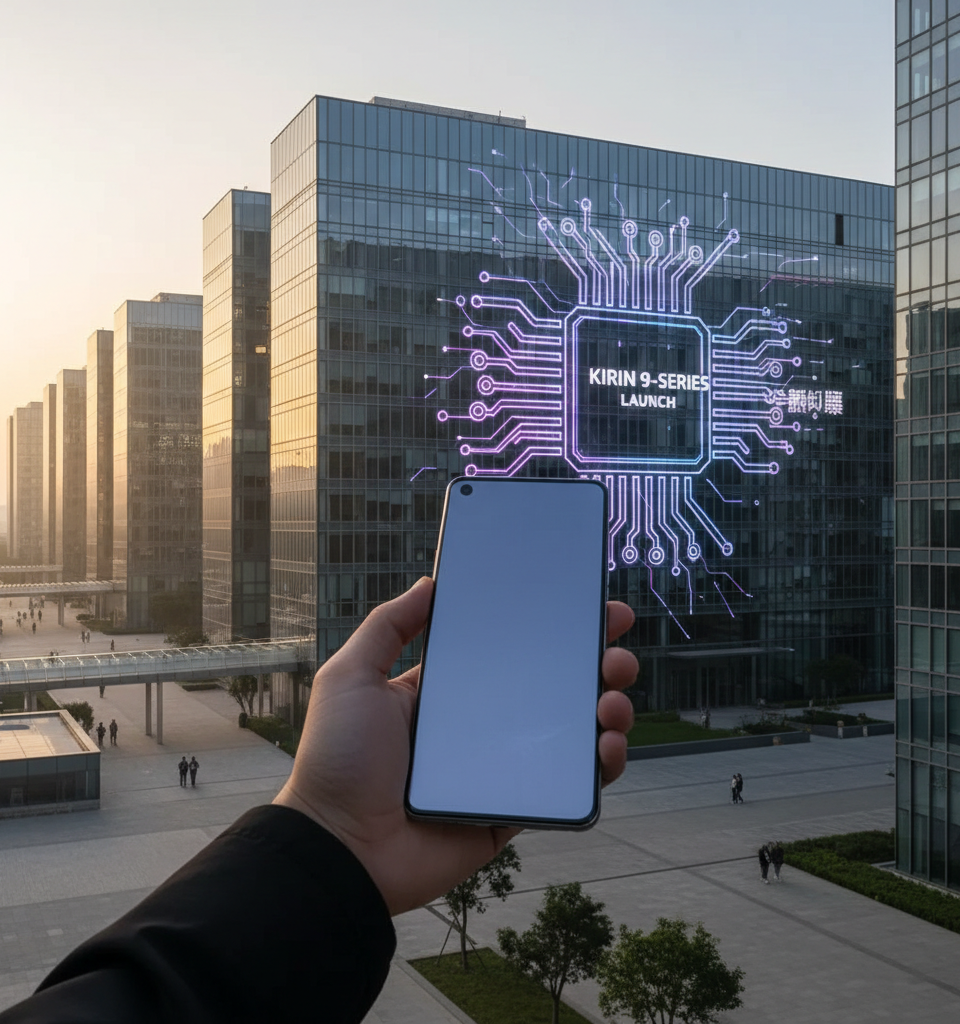
The rumored non-folding smartphone is expected to house a powerful Kirin 9-series chipset, underscoring Huawei's commitment to developing advanced silicon for its devices. This choice of processor suggests a focus on high performance, potentially targeting users who demand robust capabilities for gaming, advanced applications, and multimedia consumption. The 16:10 aspect ratio display, distinguishing it from the more common 18:9 or 20:9 screens, could offer an enhanced viewing experience, particularly for productivity tasks and widescreen video content.
This strategic design choice potentially aims to carve out a niche in a highly competitive market, offering a unique selling proposition that differentiates it from numerous devices sporting more conventional display formats. Such a display could be particularly appealing to professionals or power users who value screen real estate for multitasking or immersive media.
Market Context and Competitive Landscape
The reported launch comes as Huawei continues to navigate a complex global technology landscape. Despite past challenges, the company has shown resilience, particularly in its home market. The success of devices like the Pura X demonstrates Huawei's enduring brand loyalty and technical prowess, allowing it to compete effectively against established global players and domestic rivals. The introduction of a high-end non-folding phone in September would signal a dual-pronged strategy: maintaining its innovative edge in foldable technology while also strengthening its presence in the traditional flagship segment.
This move could intensify competition within the premium smartphone market, particularly in Asia, where display aspect ratios and processing power are key considerations for discerning consumers. Competitors would likely scrutinize the device's performance benchmarks and user experience to assess its market impact.
Implications for Global Business and Supply Chains
Huawei's ability to consistently introduce new devices with advanced chipsets holds significant implications for the global semiconductor industry. The continued development and integration of its Kirin series processors suggest an ongoing investment in vertical integration and domestic supply chain strengthening. This trend could further influence the strategies of international chip manufacturers and suppliers, potentially leading to adjustments in their long-term market forecasts and partnership considerations.
The broader business community will be watching to see how this new device performs commercially. Its reception could serve as an indicator of consumer confidence in Huawei's long-term product roadmap and its capacity to sustain innovation despite external pressures. The strategic timing of a September launch, typically a busy period for new smartphone releases, also suggests Huawei's confidence in the product's competitive standing.
What to Watch Next
As September approaches, further details regarding the device's full specifications, pricing, and regional availability are expected to emerge. Industry analysts will be keenly observing the official announcement for insights into Huawei's specific technological advancements and its market positioning strategy. The success of this non-folding phone will be a key indicator of Huawei's continued trajectory in the global premium smartphone sector and its ability to maintain technological leadership in critical areas like display technology and chipset development and chip design. The broader market will also be assessing how this device influences competitive product cycles from other major manufacturers.