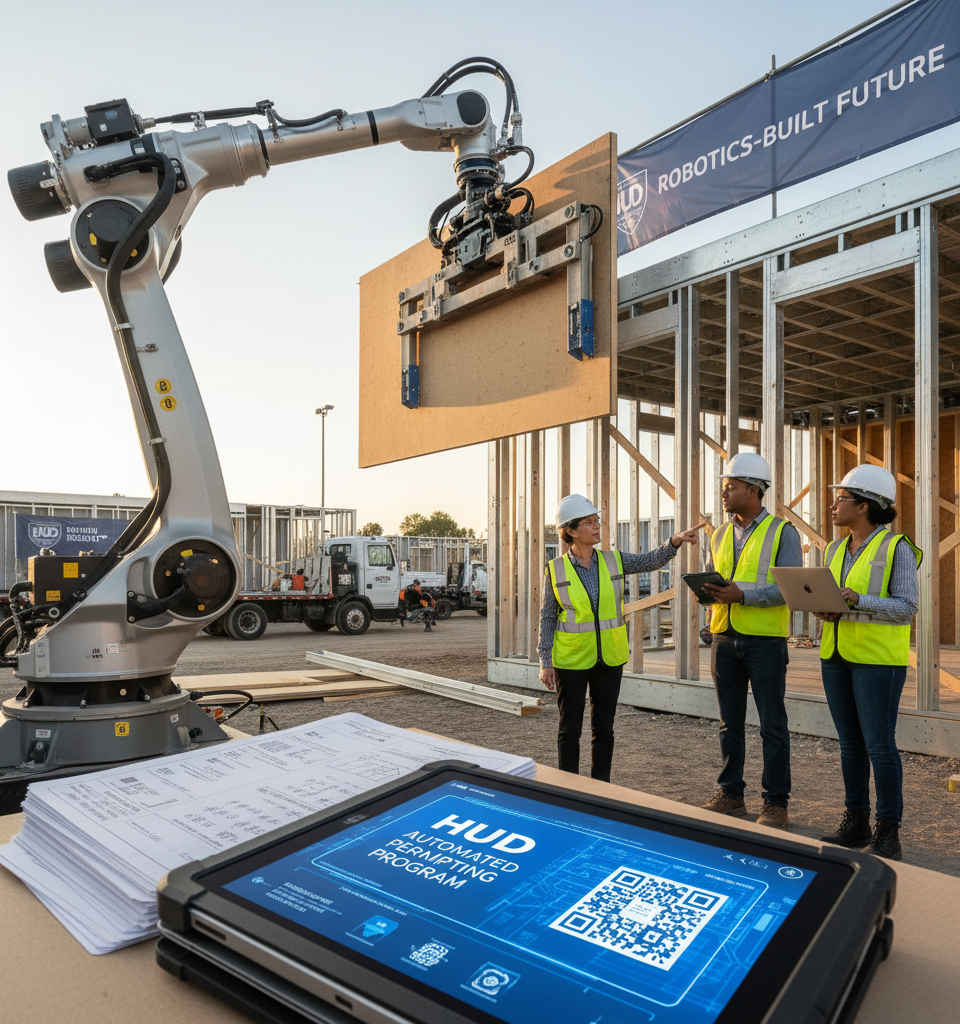
The U.S. Department of Housing and Urban Development (HUD) has recently opened applications for two new demonstration programs, signaling a potential shift in strategies to address persistent obstacles within the housing sector. These initiatives, collectively valued at $13 million, are designed to pilot innovative approaches, specifically targeting robotics-built housing and automated permitting processes. The move suggests a nascent federal effort to leverage advanced technologies to streamline construction and reduce bureaucratic delays, ultimately aiming to increase housing supply nationwide.
Context and Background: Addressing Housing Scarcity
The chronic shortage of affordable housing across the United States has been a significant concern for decades, exacerbated by rising construction costs, labor shortages, and lengthy — often complex — permitting processes. These factors contribute to higher housing prices and slower development timelines, making it difficult for communities to meet demand. The introduction of these HUD demonstration programs appears to be a direct response to these systemic issues, exploring technological solutions that could potentially revolutionize how housing is conceived, constructed, and approved. This represents a proactive step by a federal agency to foster innovation where traditional methods have proven insufficient.
Key Details of the Pilot Programs
While the funding opportunities are described as "ultra-modest" and "little-noticed," their strategic implication could be significant. The Builder’s Daily reports that HUD recently initiated the application period for these programs. One program is specifically dedicated to demonstrating the efficacy and viability of robotics in housing construction, aiming to evaluate how automated systems can improve efficiency, reduce costs, and potentially accelerate build times. The second program focuses on automated permitting, seeking to streamline the often-cumbersome regulatory approval process that can delay projects for months or even years. This dual approach tackles both physical construction and administrative hurdles, indicating a comprehensive strategy to enhance housing delivery from multiple angles.
Potential Industry and Market Impact
The successful implementation of these demonstration programs could have profound implications for the housing industry. Robotics in construction could lead to significant cost reductions through increased efficiency, reduced material waste, and less reliance on traditional, often scarce, skilled labor. This could make housing more affordable and accessible. Similarly, automated permitting systems could dramatically cut down on project timelines, reducing holding costs for developers and speeding up the delivery of new homes to market. Should these pilots prove successful, they could encourage wider adoption of these technologies, potentially catalyzing a modernization wave across the entire construction and development ecosystem. This could attract new investment into innovative housing solutions and create new job categories within the sector.
Looking Ahead: Future Implications
The current demonstration programs represent an initial, exploratory phase. The $13 million in funding, while not substantial in the context of national housing needs, is intended to gather crucial data and insights into the practical application and benefits of these technologies. The outcomes of these pilots will likely inform future HUD policies, funding decisions, and potentially even federal incentives for adopting advanced construction and permitting methodologies.
Should the results be positive, it could pave the way for larger-scale federal investments and a more aggressive push for technological integration in housing development, ultimately aiming to alleviate the ongoing housing crisis. The focus on “demonstration” suggests a commitment to evidence-based policy formulation, ensuring that any broader rollout is supported by tangible results and lessons learned from these initial trials.