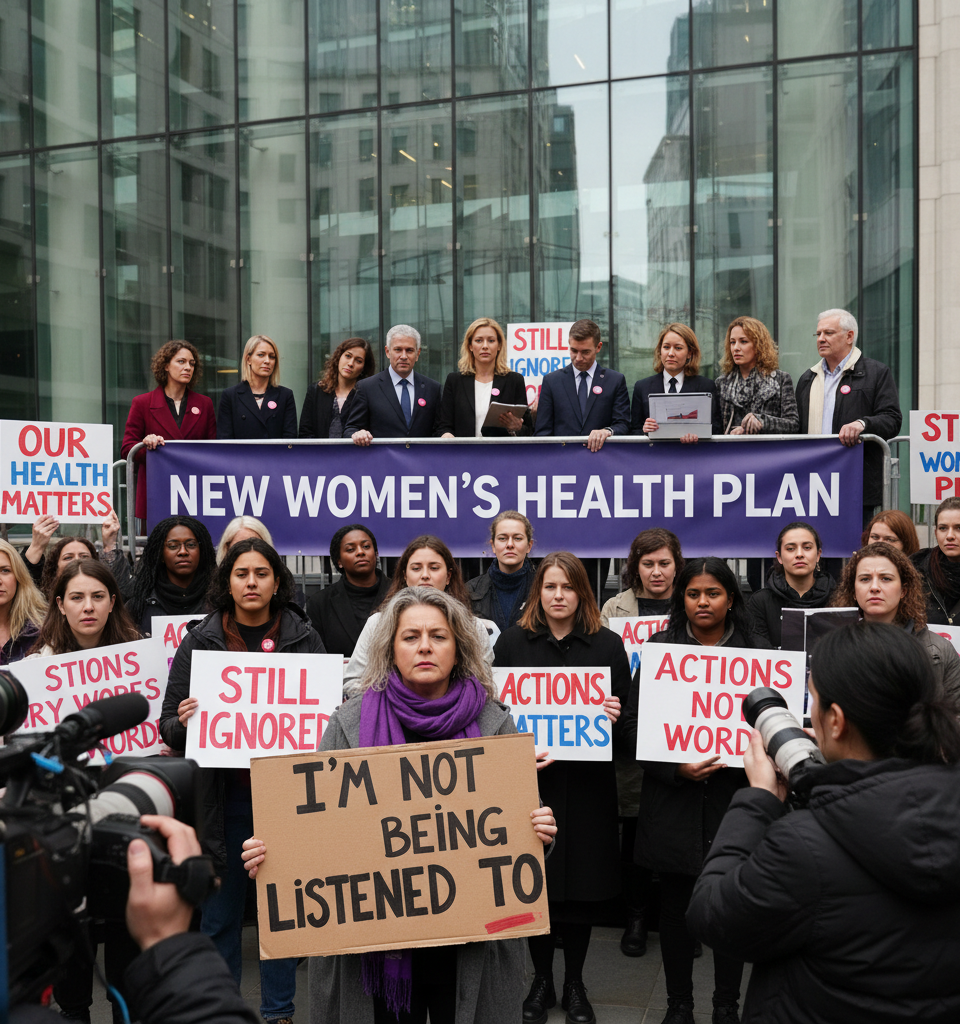
A comprehensive new plan aimed at significantly improving healthcare provision for women and girls has been officially launched today, 2026-05-19. The ambitious strategy seeks to address long-standing disparities and systemic issues that have historically left many women feeling overlooked and underserved. However, the announcement arrives amidst a backdrop of considerable skepticism, with numerous stakeholders and individuals voicing concerns that fundamental changes may continue to be elusive, reinforcing the pervasive sentiment: "I'm not being listened to."
The persistent perception of being ignored by the healthcare system underpins much of the public and professional reaction to this latest initiative. For years, advocacy groups and personal testimonies have highlighted issues ranging from misdiagnosis and delayed treatment for conditions more prevalent in women, to a lack of understanding regarding female-specific health challenges. This sentiment suggests that while new plans are welcome, their true impact will be measured by tangible improvements in patient experience and outcomes, rather than just policy declarations. The core challenge for this new strategy will be to demonstrably translate its objectives into real-world changes that resonate with the experiences of women and girls across the country.
Addressing Systemic Shortcomings
The newly articulated health plan details several key areas of focus, designed to tackle the systemic shortcomings that have historically plagued women's healthcare. While specific figures and named sources beyond the general description are not provided in the initial announcement, the strategy is understood to encompass enhanced training for healthcare professionals on female-specific conditions, improved access to specialist services, and a greater emphasis on prevention and early intervention. Discussions surrounding the plan suggest an intent to integrate mental health support more effectively into women's health pathways, recognizing the intertwined nature of physical and psychological well-being. Furthermore, there's an expectation that the strategy will push for better data collection and research funding specifically tailored to women's health issues, an area often highlighted as under-resourced.
The broader implications for the healthcare industry are substantial. Providers, from primary care physicians to specialized hospitals, will be tasked with implementing new protocols and potentially re-evaluating existing service models. Pharmaceutical companies and medical device manufacturers may also see shifts in demand and research priorities if the strategy effectively redirects resources and attention towards previously neglected areas. The emphasis on a more gender-sensitive approach could lead to innovations in diagnosis and treatment, fostering a market environment that is more responsive to the unique physiological and social contexts of women's health.
Expert Commentary and Future Outlook
While the detailed expert perspectives are awaiting public release, early general commentary suggests a cautious optimism. Analysts anticipate that the success of this strategy will hinge on its practical implementation and the allocation of sufficient resources, rather than the aspirational nature of its stated goals. The true measure of efficacy will not simply be the existence of a new plan, but its ability to foster a healthcare culture where women feel genuinely heard, understood, and effectively treated. Without this fundamental shift in perception and experience, even the most well-intentioned policy risks falling short.
Looking ahead, the immediate implications involve a period of careful monitoring as the various components of the new health plan begin to roll out. Healthcare providers will need to swiftly integrate new guidelines and training programs. Women and girls, for their part, will be observing closely to see if the rhetoric translates into tangible improvements in their interactions with the healthcare system. The coming months are expected to be critical in demonstrating the government's commitment to this strategy and in rebuilding trust among a populace that has long felt their health concerns were marginalized. The success or failure of this initiative will undoubtedly shape the discourse around gender-specific healthcare for years to come.