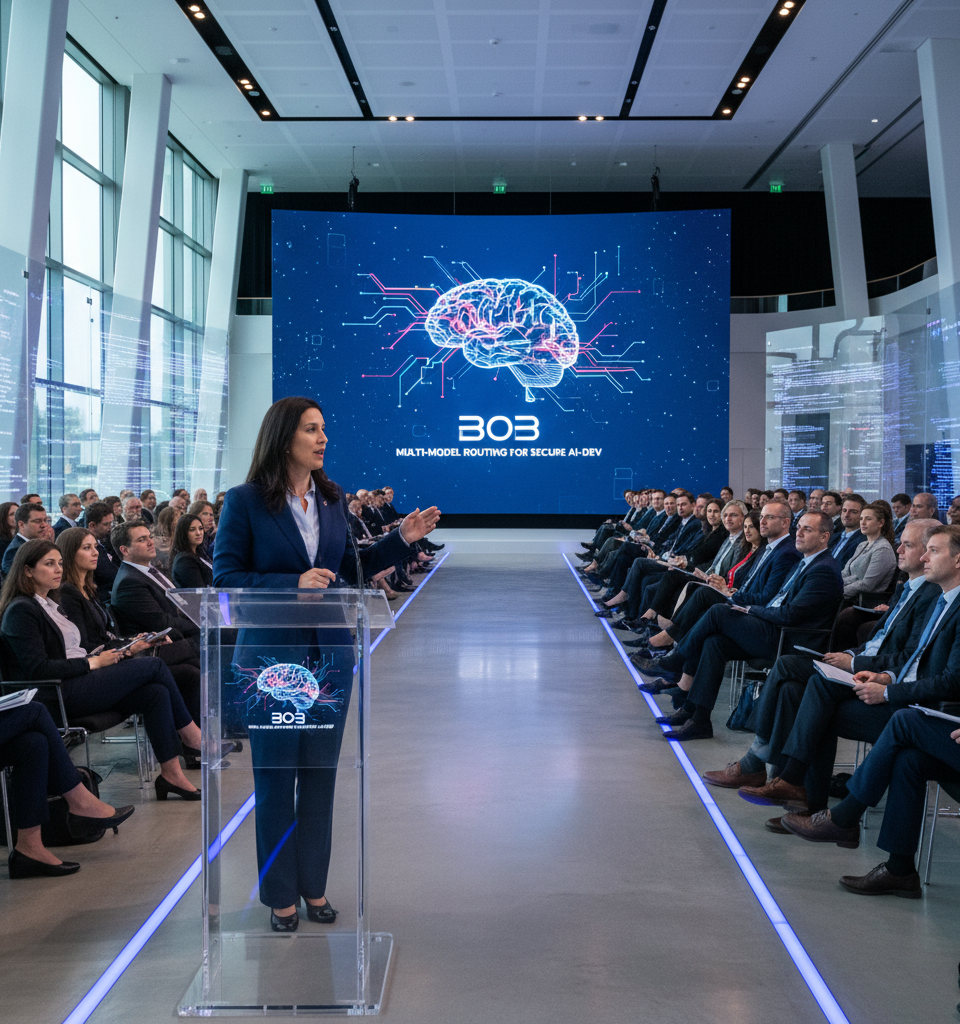
IBM has introduced 'Bob,' a new AI-powered system aimed at transforming AI coding into a robust and secure production process for enterprises worldwide. Announced yesterday, Bob addresses the increasing imperative for organizations to safely and efficiently integrate AI agents into their software development workflows. The platform is designed to mitigate the inherent security risks and orchestration challenges that arise when AI systems move from pilot programs to live operations, particularly when interacting with real-time data.
The Evolving Landscape of AI in Software Development
The integration of artificial intelligence into the software development lifecycle is rapidly becoming a standard practice across industries. Developers are continually experimenting with new AI platforms and tools to enhance productivity, automate tedious tasks, and accelerate time-to-market. However, this burgeoning adoption comes with significant caveats. The inherent complexities of AI agents, coupled with dynamic enterprise environments, expose organizations to potential security breaches, data integrity issues, and workflow failures. Many systems that demonstrate promise in controlled pilot environments often falter when exposed to the unpredictable nature of real-time data and broader operational scales. IBM's move is a direct response to this growing pain point, seeking to provide a structured and secure framework for AI's deployment in mission-critical applications.
Key Features of IBM's 'Bob' Platform At the core of
'Bob's' functionality are its multi-model routing capabilities and human intervention checkpoints. The multi-model routing allows the system to dynamically select the most appropriate AI model for a given coding task, optimizing for efficiency, accuracy, and cost. This intelligence layer ensures that enterprises are not locked into a single AI provider or model, offering flexibility and resilience. Equally crucial are the human checkpoints, which are strategically embedded at critical junctures within the AI-driven development pipeline. These checkpoints enable human developers to review, validate, and override AI-generated code or decisions, ensuring that quality and security standards are consistently met. This hybrid approach aims to balance the speed and scalability of AI with the nuanced judgment and oversight of human experts, a critical factor for enterprise-grade deployments.
Industry Impact and Competitive Landscape
IBM's launch of 'Bob' positions the legacy tech giant as a significant player in the rapidly evolving market for AI lifecycle management tools. The move underscores a broader industry trend where established technology firms are developing specialized solutions to address the governance, security, and scalability challenges of enterprise AI. While numerous startups and hyperscalers also offer AI development platforms, IBM's emphasis on secure production environments and explicit human oversight differentiates its offering. Analysts project that the market for AI governance and orchestration tools will exceed $15 billion by 2027, driven by increasing regulatory scrutiny and the growing complexity of AI deployments. IBM's long-standing relationships with large enterprises and its deep expertise in secure computing infrastructure provide a strong foundation for Bob's adoption.
Expert Analysis on AI Governance
Industry analysts and AI governance experts view IBM's initiative as a critical step towards maturing the enterprise AI ecosystem. Dr. Anya Sharma, a leading analyst at Tech Insights Group, commented, "IBM's Bob is addressing a fundamental requirement for secure and reliable AI integration. The multi-model routing recognizes the dynamic nature of AI capabilities, while the human checkpoints are absolutely essential for maintaining accountability and trust, especially in highly regulated industries." She emphasized that, "Without robust governance frameworks, the scalability of AI in enterprise-critical functions will remain severely limited. Products like Bob are setting new standards for responsible AI deployment, moving beyond experimental pilots to true production readiness."
Future Implications and Roadmap
The introduction of 'Bob' signals IBM's continued commitment to leveraging its deep enterprise experience in the age of AI. Future iterations of the platform are expected to include enhanced integration with a wider array of third-party AI models and development tools, further strengthening its multi-model capabilities. IBM also plans to incorporate more sophisticated compliance and auditing features, allowing organizations to track and report on AI agent activities for regulatory purposes. The company intends to expand Bob's reach beyond software development into other enterprise functions, potentially offering similar secure orchestration for AI agents in areas like customer service, data analytics, and operational management. This strategic roadmap suggests a broader vision for establishing IBM as a leader in secure, governed AI operations across the enterprise spectrum.