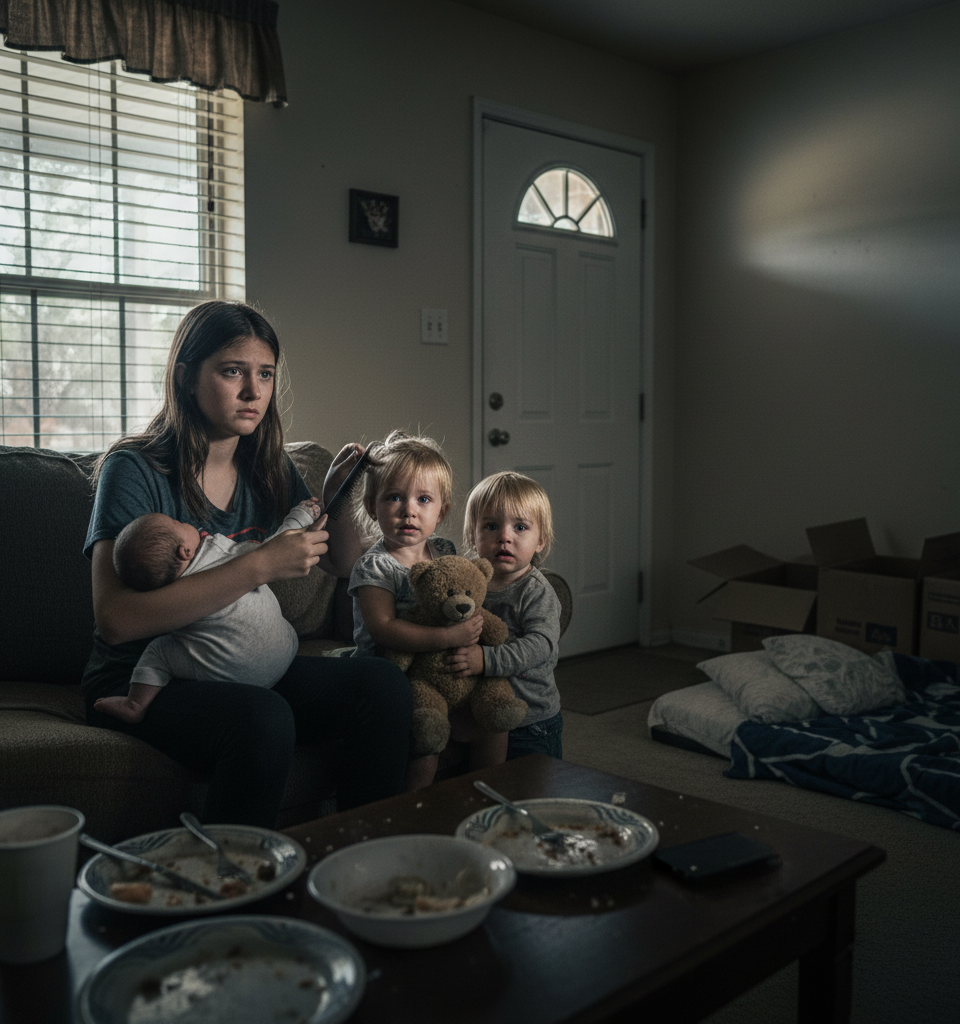
AUSTIN, TX – The tranquility of countless Texas homes has been shattered in recent weeks as a wave of Immigration and Customs Enforcement (ICE) operations has led to the detention of parents, leaving an estimated hundreds of children orphaned or semi-orphaned overnight. The repercussions are acutely felt in communities like Andrea García's, where the 15-year-old now shoulders the immense responsibility of raising her younger siblings. These raids, conducted at various undisclosed locations across the state, underscore a persistent and often overlooked consequence of immigration enforcement: the immediate and devastating impact on the most vulnerable members of society – children.
The Human Cost of Enforcement
This current surge in family separations is not an isolated incident but rather a recurring pattern within U.S. immigration enforcement. The "zero tolerance" policies of previous administrations, which saw thousands of children separated from their parents at the border, cast a long shadow over these domestic operations. While the current focus is on undocumented individuals residing within the country, the outcome for children is equally dire. Experts argue that such tactics, while ostensibly targeting adults, inflict significant psychological trauma on minors, potentially leading to long-term developmental issues and societal costs that far outweigh the perceived benefits of enforcement.
Andrea's Burden and Communities in Crisis
Andrea García's story is a poignant microcosm of a larger crisis. Following the swift detention of both her parents, Andrea, the eldest of four, found herself as the de facto head of household. Her days are now consumed with childcare, meal preparation, and navigating the complexities of a system ill-equipped to handle such sudden family dislocations. Local non-profits and community organizations, often operating on shoestring budgets, are scrambling to provide support, offering everything from food assistance to legal aid for detained parents. "We are seeing an unprecedented demand for resources," states Maria Rodriguez, director of a local immigrant aid center. "These children are not just losing their parents; they're losing their childhoods."
Economic and Social Ripples
The economic ramifications of these family separations are multifaceted. Households suddenly lose primary income earners, pushing already vulnerable families into deeper poverty. Local economies, particularly those reliant on immigrant labor in sectors like agriculture, construction, and hospitality, experience disruptions. Beyond the immediate economic impact, there's a significant social cost. The creation of a generation of children navigating trauma and instability places an added strain on social services, schools, and mental health infrastructures. Furthermore, the fear instilled by these operations can lead to decreased civic participation and a reluctance to report crimes, undermining community trust and public safety.
Expert Analysis: A Cycle of Trauma
Dr. Elena Santos, a professor of sociology specializing in immigration studies at the University of Texas, emphasizes the cyclical nature of this trauma. "When children experience such profound distress and instability, it can significantly impair their educational attainment and future economic prospects. This isn't just a humanitarian issue; it's an investment in future societal problems," she explains. Dr. Santos points to studies showing that children separated from parents are measurably more likely to suffer from anxiety, depression, and PTSD, with long-term healthcare costs estimated to be in the tens of thousands of dollars per affected individual.
The Call for Policy Reform and Community Support
The immediate future points to continued legal battles for detained parents and a desperate need for robust community-based support systems for the children left behind. Advocacy groups are renewing calls for comprehensive immigration reform, emphasizing the prioritization of family unity and the implementation of more humane enforcement practices. Potential legislative developments include proposals for increased funding for independent legal representation for detainees and enhanced safeguards to prevent family separations. However, without significant policy shifts, many fear that stories like Andrea's will become increasingly common, perpetuating a tragic cycle of separation and hardship.
Looking Ahead: A Community Girds Itself
As the dust settles from these recent ICE operations, communities across Texas are bracing for continued challenges. Efforts are underway to establish emergency foster care networks, provide trauma-informed counseling, and expand pro bono legal services. The hope is that through collective action and increased awareness, the most painful consequences of immigration enforcement can be mitigated, and that children like Andrea will be given the support they need to navigate their profoundly altered lives. The question remains, however, how long these make-shift solutions can sustain a crisis born from systemic policy choices.
Data Points and Statistics
- Estimated Children Affected: Hundreds in recent Texas operations alone.
- Non-Profit Funding Gap: Many local immigrant aid organizations report a 30-50% increase in service demand with only a 5% average increase in funding.
- Legal Aid Cost: The average cost for comprehensive legal representation for an immigration case can range from $5,000 to $15,000, largely out of reach for detained individuals.
- Mental Health Impact: Studies indicate children separated from parents are 3x more likely to develop PTSD.
- Economic Impact: Loss of primary income earners can reduce household income by an average of 60-80% in affected families.
These grim statistics underscore the urgent need for a re-evaluation of immigration enforcement strategies and a greater emphasis on the long-term societal costs of family separation.