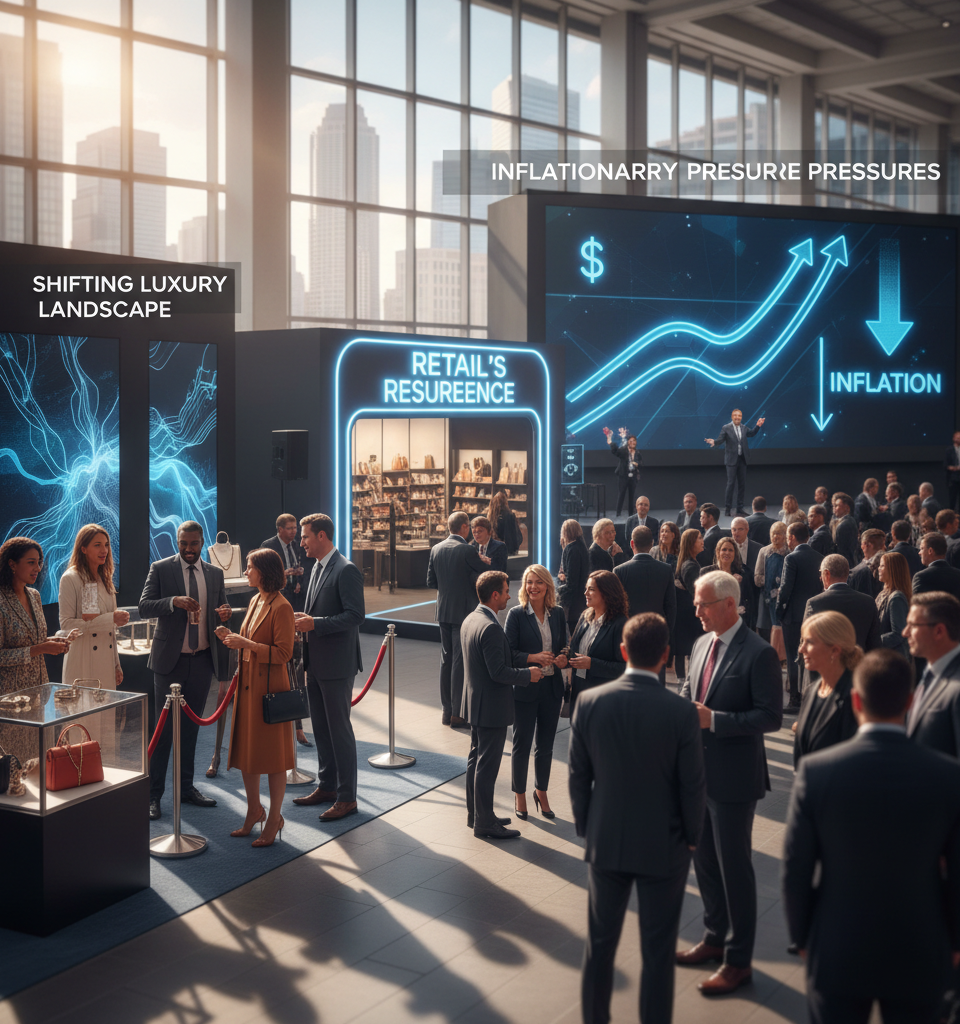
The Las Vegas Convention Center recently hosted tens of thousands of brokers and investors for the ICSC 2026 conference, where the prevailing sentiment marked a significant shift in the retail sector's standing within commercial real estate. Industry observers noted that retail is no longer merely recovering from past challenges; it has firmly re-established itself as a driving force and a focus of considerable investment and innovation. The discussions throughout the week underscored a complex environment characterized by resilient consumer demand, inflationary pressures, and a continued evolution of tenant mixes.
Contextualizing Retail's Revival
This resurgence is particularly noteworthy given the sector's turbulent journey over the past decade, which saw significant disruption from e-commerce and shifting consumer habits. The ICSC 2026 gathering served as a clear indicator that brick-and-mortar retail has adapted, demonstrating a remarkable capacity for reinvention. The mood among attendees suggested a collective recognition that physical retail experiences, when thoughtfully curated, remain vital and compelling for consumers, often complementing, rather than competing with, online channels. This year's focus on innovative tenant strategies and nuanced market dynamics reflects a mature understanding of consumer behavior.
Key Trends and Discussions
A central theme reverberating through the conference halls was the impact of inflation on both consumer spending and operational costs for retailers. While consumer demand remains strong in many segments, the rising cost of goods and services is prompting strategic adjustments across the industry. Concurrently, a surprising and increasingly significant trend highlighted at ICSC 2026 was the emergence and expansion of experiential retail concepts, particularly trampoline parks. These attractions, along with other entertainment-focused tenants, are increasingly being seen as vital anchors for shopping centers, driving foot traffic and offering diversified revenue streams well beyond traditional retail offerings.
The Future of Luxury Retail
Discussions also heavily focused on the fate of luxury retail, a segment that continues to navigate a unique set of challenges and opportunities. While often perceived as insulated from broader economic fluctuations, the luxury market is undergoing its own transformation, driven by evolving consumer expectations for sustainability, personalization, and unique experiences. Investors and brokers at ICSC explored how luxury brands are adapting their physical footprints, integrating technology, and engaging with a new generation of high-net-worth consumers who prioritize authenticity and bespoke services. The consensus pointed towards a need for luxury spaces to offer more than just products, becoming destinations for curated experiences and community.
Broader Industry Implications
The themes explored at ICSC 2026 have profound implications for the broader commercial real estate landscape. The robust health of retail, coupled with its adaptability in the face of inflation and changing consumer preferences, positions it as a resilient asset class. Investors are increasingly looking beyond traditional retail metrics, evaluating properties based on their ability to integrate entertainment, services, and diverse tenant mixes. This shift suggests a departure from historical classifications, with mixed-use developments and experience-driven centers gaining significant traction and re-shaping investment strategies across the industry.
Looking Ahead: Continued Evolution
As the industry looks ahead, the insights gained from ICSC 2026 suggest a continued emphasis on adaptive strategies. The integration of technology, the diversification of tenant portfolios to include more experiential concepts like trampoline parks, and a nuanced approach to managing inflationary pressures are expected to remain critical. The evolving understanding of luxury retail, moving towards more experience-centric models, will also shape future development and investment. The conference concluded with a collective sense of optimism tempered by the recognition that strategic agility will be paramount for success in an ever-changing market.