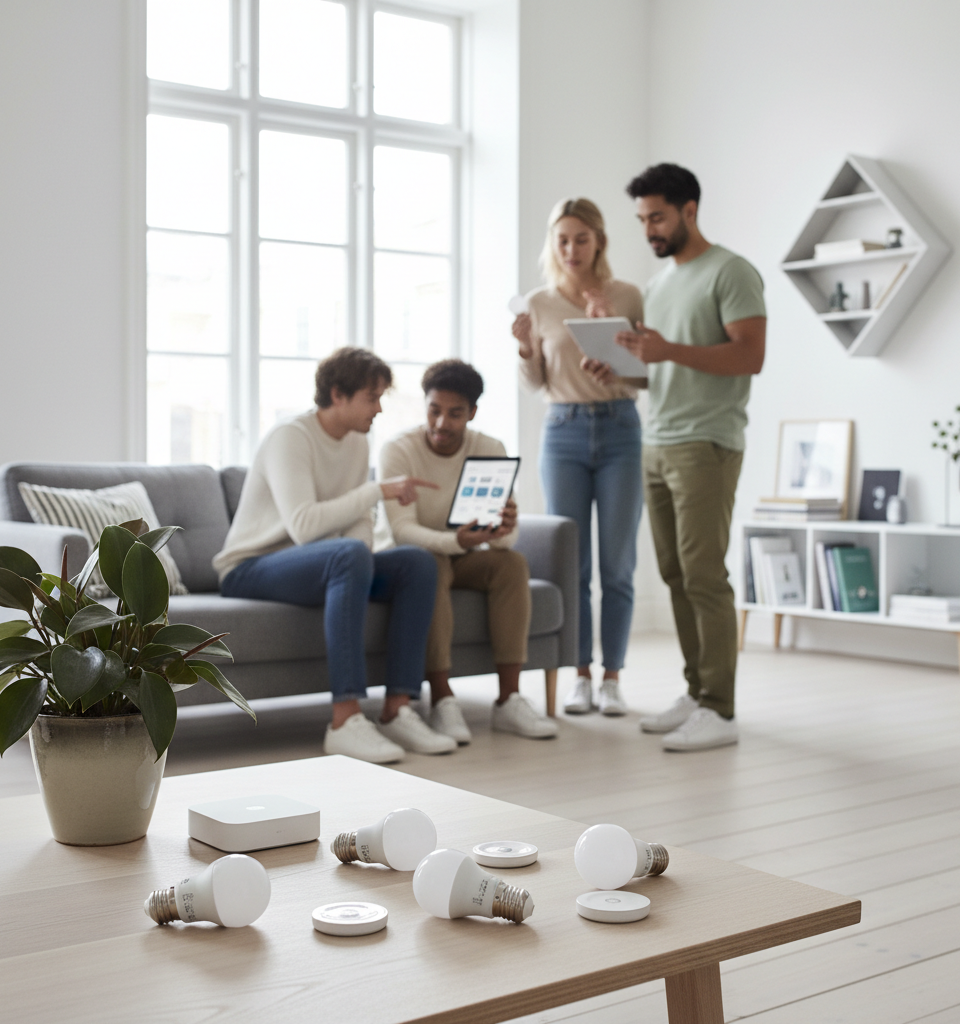
Stockholm, Sweden – IKEA, the global furniture and home goods behemoth, has officially launched its latest generation of smart home products, encompassing an updated range of light bulbs, intuitive remote controls, and diverse connected accessories. This strategic expansion, quietly rolled out in recent weeks across its international retail footprint and online channels, signifies a deliberate effort by the company to democratize smart home technology, making it more affordable and user-friendly for a mainstream audience. By focusing on effortless integration and competitive pricing, IKEA is poised to disrupt an industry often characterized by high entry barriers and complex setups.
Democratizing the Connected Home: A Strategic Imperative
This latest move builds upon IKEA's nascent but determined foray into the smart home sector, which began with its TRÅDFRI smart lighting system in 2017. The company's vision has always been to integrate technology seamlessly into everyday living, removing the technical intimidation often associated with smart devices. This current refresh and expansion are critical as the global smart home market continues its rapid ascent. Analysts predict the market will reach an estimated value of over $200 billion by 2026, highlighting the immense potential for companies that can effectively tap into consumer demand for convenient, connected living. IKEA's brand recognition and vast retail network provide a unique advantage in reaching a broader demographic beyond early adopters.
Key Offerings and Technological Advancements
The new collection introduces several notable improvements and additions. The updated smart bulbs boast enhanced brightness and color temperature control, while the redesigned remotes offer more streamlined functionality and improved battery life. Among the more intriguing additions are smart outlets and sensor-based devices designed to automate various home functions, from lighting to appliance control. Critically, these devices are built on open standards, primarily Zigbee, ensuring compatibility with a wider ecosystem of smart home platforms, including Apple HomeKit, Google Home, and Amazon Alexa. This commitment to interoperability is a significant user benefit, addressing a common frustration within the fragmented smart home market.
Reshaping the Smart Home Landscape: A Price-Performance Play
IKEA's entry and expansion are exerting tangible pressure on established smart home players. By leveraging its global supply chain and manufacturing scale, IKEA can offer products at price points significantly lower than many competitors. For instance, a basic smart bulb from IKEA often retails for under $10, a substantial difference compared to premium brands that can charge upwards of $25 per bulb. This aggressive pricing strategy, combined with the brand's reputation for accessibility and design, threatens to commoditize basic smart home functionalities, forcing competitors to innovate further or adjust their own pricing models to remain competitive. This could ultimately benefit consumers through increased choice and more affordable options.
Expert Insights: "A Game Changer for Mass Adoption"
Industry analysts are closely watching IKEA's smart home trajectory. "IKEA's strategy isn't about cutting-edge innovation in individual devices, but rather about ecosystem integration, affordability, and user experience," states Dr. Elena Petrova, a technology market analyst at TechTrends Research. "Their ability to bundle smart home functionality with everyday furniture and décor presents a unique value proposition. This is a game changer for mass adoption, as consumers are more likely to trust and purchase smart devices from a brand they already associate with home comfort and design." She further noted that the company's focus on simple, intuitive control aligns with evolving consumer preferences for seamless technology integration rather than complex technical setups.
The Path Forward: Expanding Ecosystem and Services
Looking ahead, IKEA's smart home ambitions are expected to extend beyond individual devices. Future developments are likely to include an expansion into smart furniture with integrated technology, deeper integration with its existing home furnishing ecosystem, and potentially subscription-based services for enhanced home automation or security features. The company's recent acquisition of artificial intelligence and machine learning startups suggests a future where IKEA smart homes become increasingly predictive and personalized. This long-term vision positions IKEA not just as a hardware provider, but as a holistic smart living solution provider, aiming to redefine how consumers interact with their home environments.
Strategic Growth and Market Outlook
The smart home market is projected to continue its robust growth, with a compound annual growth rate (CAGR) estimated at nearly 15% through 2028. IKEA's strategic investment in this sector, coupled with its proven ability to scale, positions it as a significant force. While specific revenue figures for IKEA's smart home division are not publicly disclosed, the company's consistent product refreshes and global rollout indicate strong internal performance and a commitment to long-term growth in this competitive arena. Their model of making smart technology an accessible extension of their core business promises to drive sustained market penetration and innovation.