Global manufacturing firms considering Illinois for production or supply chain hubs will find the state's proactive approach to workforce development encouraging. This initiative helps ensure a stable, skilled labor pool, mitigating future operational costs and talent shortages critical for sustained global competitiveness.
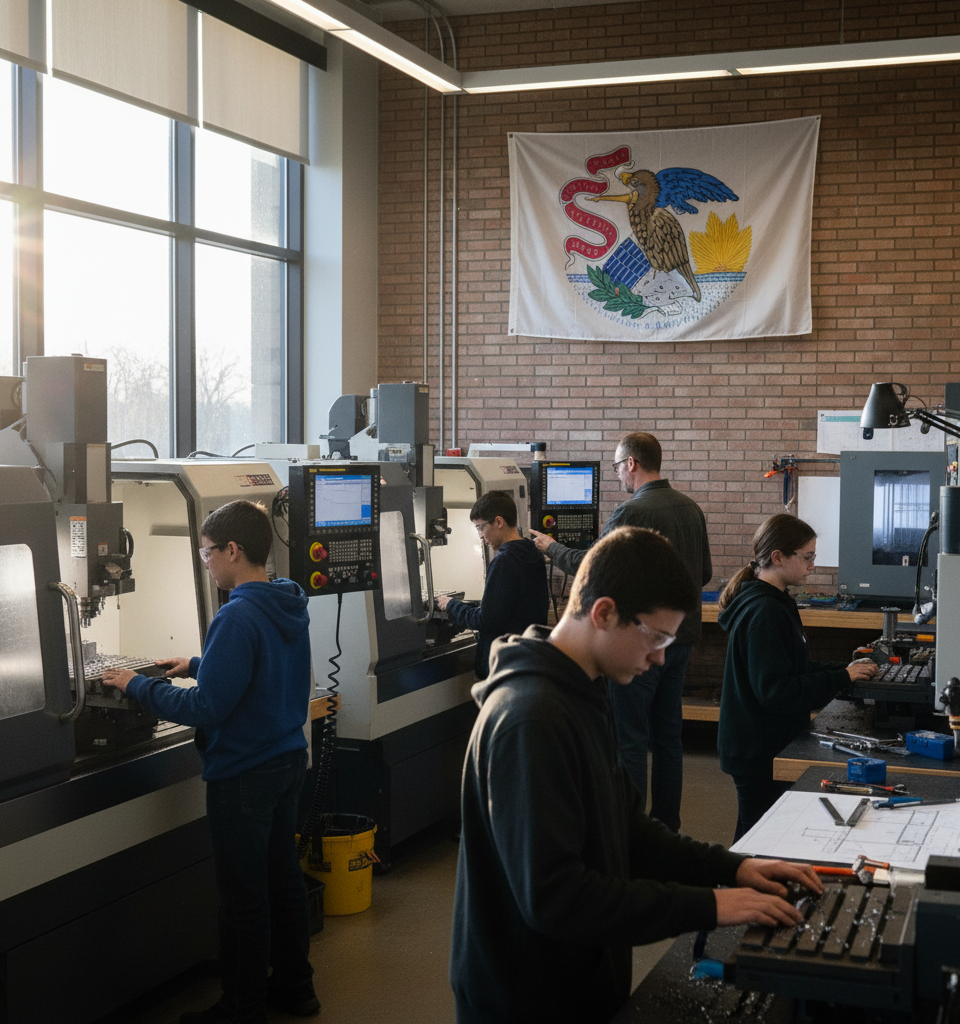
Illinois lawmakers are advancing legislation poised to significantly streamline career pathways in manufacturing for high school students across the state. This legislative effort aims to ensure that adolescents gain early and direct access to practical, hands-on training crucial for professions in fields such as CNC machining, welding, and other vital manufacturing sectors.
Background and Rationale
The initiative comes as industries nationwide grapple with an aging workforce and a growing skills gap, particularly in specialized trades. Manufacturing, a cornerstone of the Illinois economy, has been particularly affected by these trends. By focusing on high school students, the bill seeks to cultivate a robust pipeline of skilled labor, addressing both current and anticipated workforce demands. This proactive stance is designed to secure the future competitiveness of Illinois' industrial base.
Key Legislative Provisions
The core of the legislation focuses on integrating vocational training directly into the high school curriculum, making it more accessible and attractive to students. While specific details of the bill's provisions were not outlined in the initial description, the emphasis is clearly on practical application and industry-relevant skills. The aim is to bridge the gap between academic learning and the practical requirements of the manufacturing floor, allowing students to acquire certifications or proficiencies before entering the job market or pursuing further education.
Industry and Educational Impact
This legislative push is expected to yield multiple benefits. For students, it offers an alternative and direct route to gainful employment, potentially reducing reliance on traditional four-year college degrees for skilled trades. For the manufacturing industry, it promises a steadier supply of qualified workers, helping to fill positions that have historically been difficult to staff. Educational institutions, especially vocational schools and community colleges, are likely to see increased collaboration with high schools to develop and implement these training programs.
Future Outlook
As the legislation progresses, its implementation will be key. The success of the program will likely depend on strong partnerships between state education departments, local school districts, and manufacturing businesses. These collaborations will be essential for curriculum development, securing necessary equipment for training, and providing opportunities for internships or apprenticeships. The long-term vision is to establish Illinois as a leader in skilled workforce development, positioning its manufacturing sector for sustained growth and innovation.