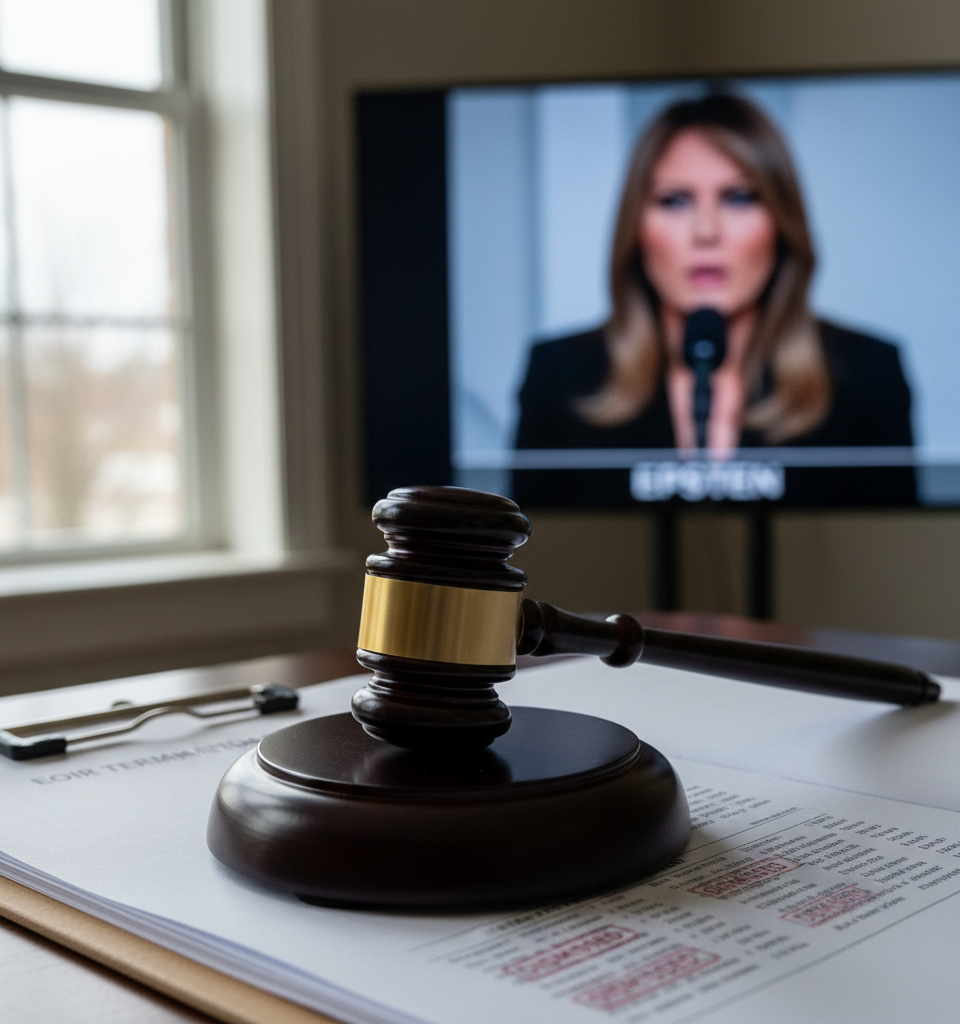
The Executive Office for Immigration Review (EOIR), the federal agency overseeing immigration courts, has been rocked by the sudden and unexplained dismissals of several high-ranking immigration judges and officials. This mass purge, which commenced earlier this week, has sent shockwaves through the legal community, prompting widespread speculation about its underlying motivations and potential ramifications for the nation's immigration justice system. The unprecedented shake-up occurs amidst a politically charged atmosphere, further intensified by former First Lady Melania Trump's recent and surprising public comments concerning the late financier Jeffrey Epstein, which have ignited a separate, albeit tangential, media frenzy.
Context: A System Under Pressure
The EOIR, an agency within the Department of Justice, has long been a focal point of debate, grappling with immense caseload backlogs and persistent criticism regarding judicial independence. With over 600 immigration judges presiding over hundreds of thousands of cases annually, the system is frequently overwhelmed. Previous administrations have faced scrutiny over attempts to expedite proceedings or influence judicial decisions. This latest series of dismissals, affecting judges with considerable experience and seniority, is being viewed by many legal observers as a significant escalation in attempts to reshape the immigration courts, potentially undermining years of established protocol and judicial autonomy. The timing is particularly poignant, as the nation continues to grapple with record levels of migration at its southern border.
The Purge: Key Details and Reactions
Specific reports indicate that at least three assistant chief immigration judges and one immigration judge have been summarily removed from their positions. While the Department of Justice has remained tight-lipped, offering no immediate public explanation for the terminations, sources within the EOIR, speaking anonymously due to fear of reprisal, suggest the dismissals were sudden and came with little to no prior warning or apparent cause. One former official noted, "This isn't about performance; it feels like an ideological cleansing." The moves harken back to historical periods of political interference in government agencies, raising alarms among advocacy groups who argue that such actions threaten the impartial application of immigration law. The potential for these vacancies to be filled by appointees with specific ideological leanings or a lack of judicial experience is a major concern.
Industry Impact: Eroding Trust and Stability
The immediate impact on the immigration legal landscape is expected to be significant. Morale among remaining immigration judges and court staff is reportedly low, with fears of further purges creating an environment of uncertainty. Immigration lawyers anticipate increased processing delays as newly appointed judges acclimate, and there are concerns about consistency in legal interpretations and rulings. This instability could further exacerbate the existing backlog, which already stands at over 2 million pending cases. Furthermore, the perceived politicization of the immigration judiciary could erode public trust in the fairness and impartiality of asylum and deportation proceedings, potentially leading to increased appeals and prolonged legal battles, costing taxpayers millions annually.
Expert Analysis: Judicial Independence Under Threat
Legal experts are largely critical of the unceremonious dismissals. Professor Lena Khan, an authority on administrative law at Georgetown University, commented, "When judges are removed without transparent cause, it sends a chilling message. It suggests that their decisions must align with political directives, rather than being based solely on law and fact. This is a fundamental assault on judicial independence." Others point to the potential violation of due process for the dismissedjudges themselves, particularly if the removals were arbitrary or retaliatory. The American Immigration Lawyers Association (AILA) has condemned the actions, calling for immediate transparency and accountability from the Department of Justice.
Melania Trump's Unexpected Intervention
Parlally, but significantly, Melania Trump's recent remarks regarding Jeffrey Epstein have added a peculiar footnote to this week's news cycle. During an unscheduled public appearance, she reportedly stated, "I knew a lot of powerful people who wanted nothing to do with him, and I think that's important to remember." While seemingly innocuous, these comments have been interpreted by some political commentators as an attempt to distance herself and her family from any perceived associations with the disgraced financier, or perhaps to signal a broader commentary on accountability within elite circles. Her intervention comes at a time when Epstein's network of powerful connections continues to be a subject of intense public and legal scrutiny, unexpectedly intertwining personal political narratives with pressing governmental issues.
What Lies Ahead: Investigations and Litigation?
The fallout from these judicial dismissals is far from over. It is highly probable that the aggrieved judges will pursue legal action, potentially leading to whistleblower lawsuits or challenges to their termination on grounds of wrongful dismissal or violations of due process. Oversight committees in Congress may also launch investigations into the Department of Justice's actions, demanding explanations and transparency. The political implications are equally significant, with Democrats likely to frame these events as an attack on an independent judiciary, while Republicans may defend the moves as necessary reform. The future composition and perceived legitimacy of the immigration courts hang in the balance, setting the stage for protracted legal and political battles that could redefine the foundational principles of immigration justice in the United States.