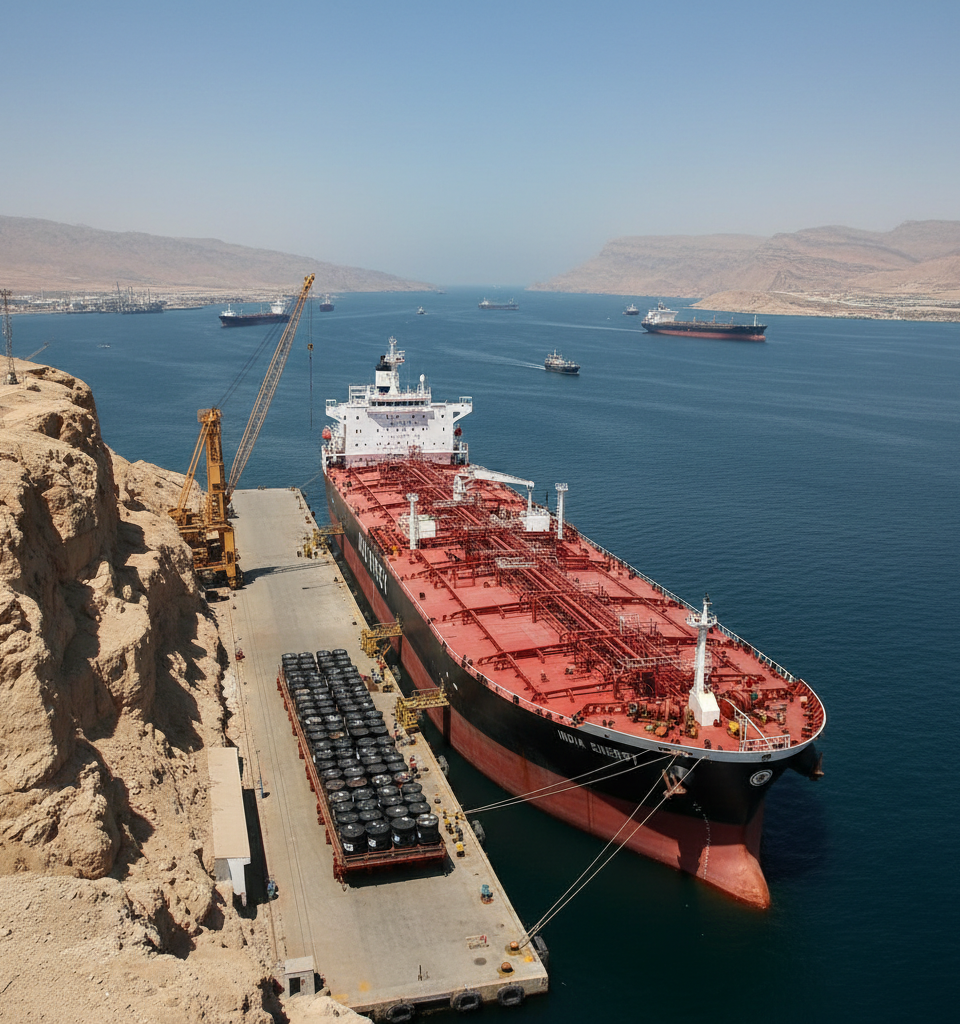
NEW DELHI, India — India has officially resumed the import of oil and gas from Iran, marking the end of a seven-year suspension that had significantly altered the energy trade landscape. This strategic decision, confirmed by Ministry of Petroleum and Natural Gas officials on, represents a calculated effort by New Delhi to rebalance its diplomatic and commercial ties with Tehran, while simultaneously bolstering its energy security, particularly concerning supplies traversing the geopolitically sensitive Strait of Hormuz. The first consignment, reportedly carrying approximately 2 million barrels of crude oil, arrived at India's west coast a fortnight ago, signaling India's pragmatic approach to foreign policy amidst its escalating energy needs.
Historical Context and Strategic Imperatives
The previous cessation of Iranian oil imports by India in 2016 was largely a consequence of intense international pressure, particularly from the United States, following the imposition of sanctions against Iran over its nuclear program. India, a significant historical purchaser of Iranian crude, was compelled to diversify its energy sources, turning primarily to Middle Eastern and African suppliers, and more recently, to Russia. This seven-year hiatus saw a dramatic reshaping of India's import matrix. The decision to re-engage Iran now is multifaceted, driven by the desire to secure more competitive pricing in a volatile global market, diversify its energy basket given recent geopolitical uncertainties affecting traditional suppliers, and implicitly, to project an independent foreign policy stance that prioritizes national interests over external pressures. Iran, a historical strategic partner, offers a geographical advantage and a willingness to accept payment in local currencies or through non-dollar mechanisms, which is highly attractive to India.
Key Details and Economic Implications
The resumption of trade signifies a major diplomatic and economic maneuver. While specific contract details remain under wraps due to the sensitive nature of the trade, industry sources indicate that the initial phase of imports will focus on crude oil, with potential for natural gas and petrochemical products to follow. Discussions reportedly involved mechanisms to circumvent the lingering impact of U.S. sanctions, possibly through rupee-rial trade agreements or barter systems, similar to arrangements utilized before 2016. India's refining sector stands to benefit immensely from Iranian crude, known for its quality and competitive pricing. Before the sanctions, Iran was India's third-largest oil supplier, accounting for roughly 10-12% of its total crude imports. Reclaiming even a fraction of this market share could lead to considerable savings for India's national exchequer, potentially billions of dollars annually, depending on the volume and price differentials.
Industry and Market Impact: A Global Repercussion
This move by India, the world's third-largest oil consumer, sends ripples across global energy markets and geopolitical spheres. For Iran, it provides a crucial economic lifeline and a validation of its efforts to circumvent sanctions, particularly as major Asian economies like China and now India continue to engage commercially. For oil-producing nations that stepped in to fill the void left by Iran in the Indian market, this represents a potential reduction in demand, necessitating a re-evaluation of their supply strategies. The increased supply from Iran could also exert downward pressure on global oil prices, albeit moderately, offering some relief to other import-reliant nations. Furthermore, it reinforces the trend of major developing economies asserting greater independence in their foreign policies, opting for pragmatic partnerships over ideological alignments.
Expert Perspectives on Strategic Autonomy
Energy analysts and foreign policy experts largely view India's decision as a decisive step towards asserting its strategic autonomy. Dr. Smita Singh, an energy security expert at the Observer Research Foundation, commented, "India's return to Iranian oil imports is not merely an economic decision but a powerful statement of its independent foreign policy. It reflects New Delhi's growing confidence in navigating complex geopolitical landscapes and securing its national interests, even if it means challenging conventional alliances." Other experts highlight India's need to diversify its energy portfolio to mitigate risks associated with over-reliance on any single region, especially in light of the ongoing Russia-Ukraine conflict and its ripple effects on global energy supplies and prices. The move also underscores the limitations of unilateral sanctions when confronted by the economic imperatives of major powers.
Future Implications and Geopolitical Trajectories
The resumption of oil and gas trade with Iran is likely a harbinger of deeper engagements. Future developments could include discussions on the Chabahar Port project, where India is a key investor, aimed at creating a vital trade route bypassing Pakistan to Afghanistan and Central Asia. This energy-driven rapprochement could also pave the way for increased cooperation in other sectors, including infrastructure, technology, and regional security dialogues. However, the path forward is not without challenges. The lingering threat of secondary sanctions from the U.S. remains a significant concern, requiring delicate diplomatic maneuvers. India will need to skillfully balance its relations with both the U.S. and Iran, demonstrating its ability to forge multi-faceted partnerships that serve its strategic objectives. The long-term success of this renewed energy partnership will depend on its durability against evolving geopolitical pressures and the ability of both nations to foster a resilient trade framework.