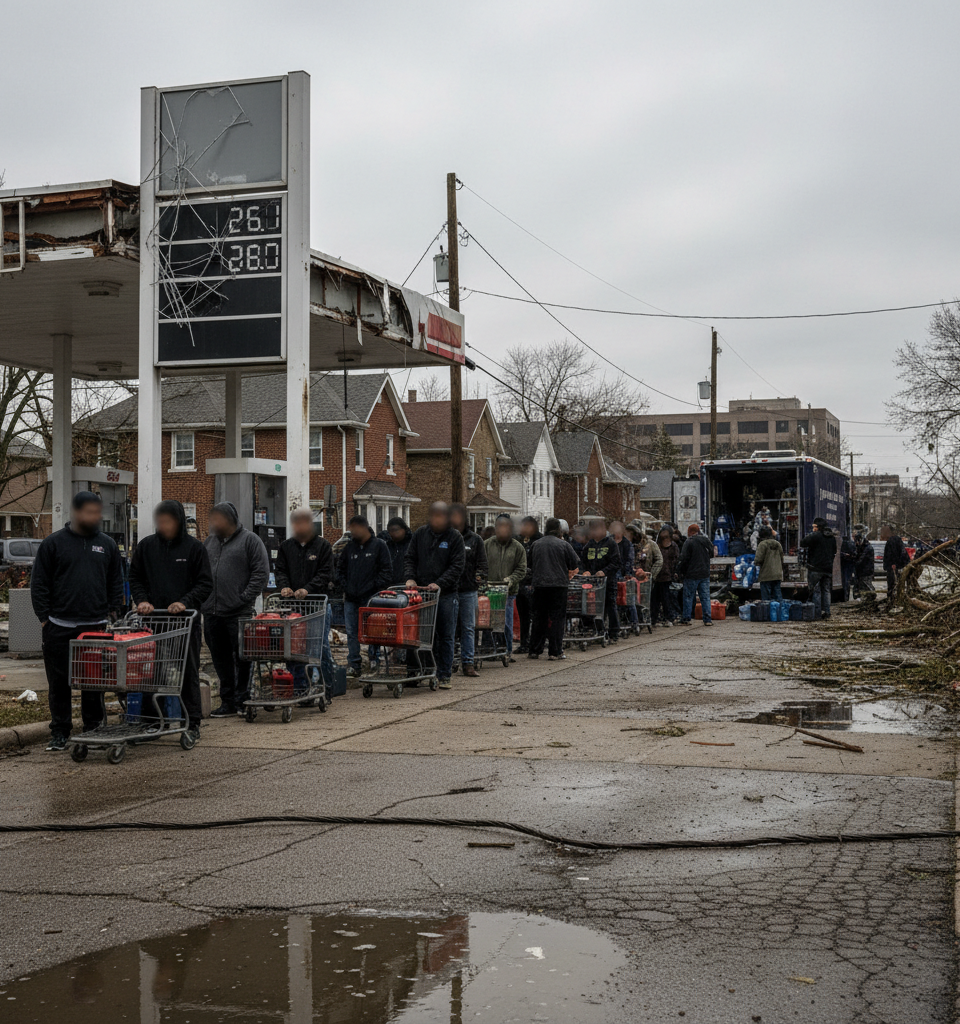
The protracted lack of essential infrastructure creates immediate and compounding economic challenges for businesses unable to operate and households facing unexpected expenditures. This situation highlights critical vulnerabilities in local energy grids and supply chains that warrant global business attention for resilience planning.
Ongoing Crisis in Indiana
Over a week after a powerful storm swept through Indiana, an estimated thousands of residents are still without power, primarily in the northern parts of the state. The city of Gary, Indiana, and surrounding communities have borne the brunt of the outages, with daily life severely disrupted for its inhabitants. The extended blackout has forced residents into a desperate search for alternative power sources, food preservation solutions, and fuel, signaling a challenging and potentially lengthy recovery process.
Community Response and Resource Scarcity
With grid power still offline for a significant portion of the population, community efforts have shifted towards emergency solutions. Reports indicate a widespread scramble for portable generators as residents attempt to power essential appliances and charge communication devices. This surge in demand has placed a strain on local retailers and supply chains, with many stores quickly running out of inventory. Concurrently, long lines have formed at gas stations as people seek fuel for generators and vehicles, exacerbating logistical challenges and highlighting the fragility of critical infrastructure when faced with sustained disruptions. The situation underscores the severe impact of prolonged outages on daily commerce and individual households.
Broader Economic and Societal Ramifications
The extended power loss carries significant economic implications beyond individual inconvenience. Small businesses, particularly those reliant on refrigeration or consistent electricity, face substantial financial losses from spoilage and inability to operate. The cost of recovery for homeowners and municipalities, including debris removal, infrastructure repair, and emergency services, is expected to be substantial. Furthermore, the psychosocial toll on affected communities, grappling with uncertainty and basic needs, adds another layer of complexity to the recovery efforts. The situation in Indiana serves as a stark reminder of the cascading effects a single severe weather event can have on regional economies and social stability.
Infrastructure Resilience Under Scrutiny
This prolonged outage casts a spotlight on the resilience and modernization needs of regional power grids. Utilities responsible for the affected areas are facing intense pressure to restore service and address underlying vulnerabilities that led to such an extended disruption. The storm's impact highlights the increasing frequency and intensity of extreme weather events, necessitating greater investment in grid hardening, decentralized energy solutions, and improved emergency response protocols to mitigate future crises. The recovery effort will likely involve significant capital expenditure for infrastructure upgrades, with potential long-term rate implications for consumers and businesses alike.
Outlook for Recovery
Authorities and utility companies have not yet provided a definitive timeline for full power restoration to all affected areas. The immediate focus remains on restoring service to critical infrastructure and the most densely populated residential zones. However, given the scale of the damage and the number of still-affected customers, a complete return to normalcy is anticipated to be a protracted endeavor. Residents are bracing for a recovery process that could extend well beyond the current week, involving not only power restoration but also the replenishment of local resources and sustained community support. The long-term implications for local economies and infrastructure investment will be a key area to monitor in the coming months.