For businesses that rely on intricate supply chains and cross-state logistics, the increased scrutiny on commercial trucking in key transit states like Indiana underscores the critical need for compliance and robust oversight. Disruptions stemming from enforcement actions, even those prioritizing safety, can introduce unforeseen costs and delays, affecting inventory management and delivery schedules for goods moving across the U.S. and globally.
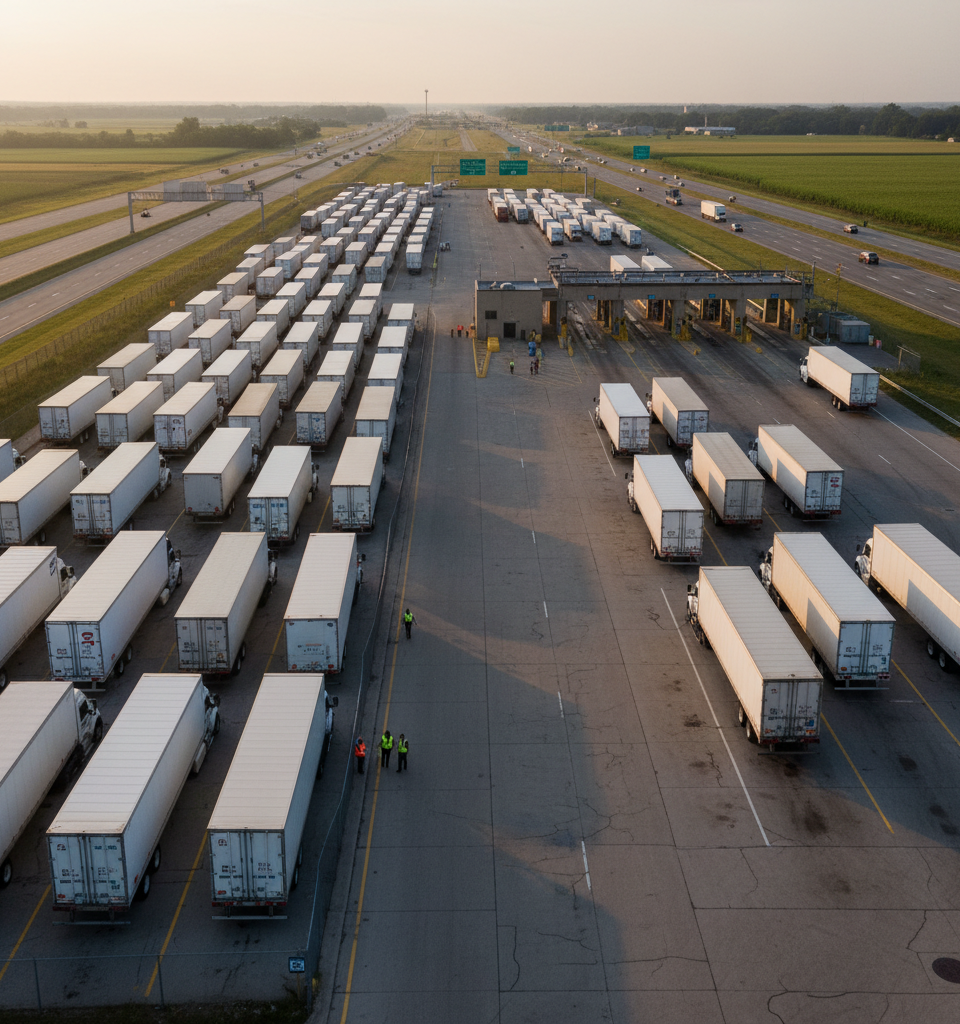
In a robust crackdown on unsafe commercial transportation, the Indiana State Police (ISP) conducted comprehensive commercial vehicle inspections throughout July, resulting in the sidelining of more than 1,100 drivers and vehicles. These significant enforcement actions, aimed at enhancing highway safety, revealed a staggering 8,650 trucking violations, underscoring persistent challenges within the commercial freight sector.
Intensive Enforcement Efforts
The month-long initiative saw ISP troopers and commercial vehicle enforcement officers meticulously inspecting a wide array of commercial vehicles traversing Indiana's highways. The inspections were designed to identify violations pertaining to vehicle mechanics, driver qualifications, hours of service, and hazardous materials transportation. The sheer volume of violations detected — 8,650 — highlights the widespread nature of compliance issues facing the trucking industry.
Of particular note was the immediate impact on operations: 1,100 drivers and vehicles were directly removed from service. This indicates that the violations discovered were severe enough to warrant immediate cessation of operations, posing direct safety risks to both the commercial vehicle operators and other motorists. Such actions are a testament to the ISP's commitment to ensuring all commercial traffic adheres to stringent federal and state safety regulations.
Context and Broader Implications
Indiana serves as a critical crossroads for national and international commerce, with its extensive highway network facilitating the movement of goods across the country. This makes robust commercial vehicle enforcement crucial not only for local safety but also for the integrity of the broader supply chain. The high number of violations and out-of-service orders could point to broader systemic issues within segments of the trucking industry, from insufficient vehicle maintenance to inadequate driver training or fatigue management.
The implications of these enforcement actions extend beyond immediate safety concerns. For global sellers, consistent and reliable transportation is paramount. Delays caused by vehicle breakdowns or drivers being pulled off the road can ripple through supply chains, impacting delivery times, increasing demurrage costs, and potentially disrupting production schedules that depend on timely component arrivals. Such events underscore the importance of selecting reputable logistics partners who prioritize compliance and safety.
Impact on Industry and Future Outlook
The trucking industry is already grappling with a shortage of qualified drivers and increasing operational costs. Enforcement campaigns like Indiana's, while necessary for public safety, add another layer of complexity for carriers. Companies found in violation face not only immediate operational halts but also potential fines, increased insurance premiums, and damage to their safety ratings, which can affect future contracts and business opportunities.
Looking ahead, these results may prompt trucking companies operating in or through Indiana to reassess their internal safety protocols, maintenance schedules, and driver qualification processes. It could also lead to heightened scrutiny from regulatory bodies across other states, potentially triggering similar inspection campaigns. For businesses dependent on freight, this signifies a continued need for vigilance in vetting transportation partners and building resilience into supply chain strategies to mitigate risks associated with regulatory enforcement and operational disruptions.
In an environment where goods move globally and rapidly, consistent adherence to safety standards is not merely a legal requirement but a fundamental pillar of supply chain efficiency and reliability.