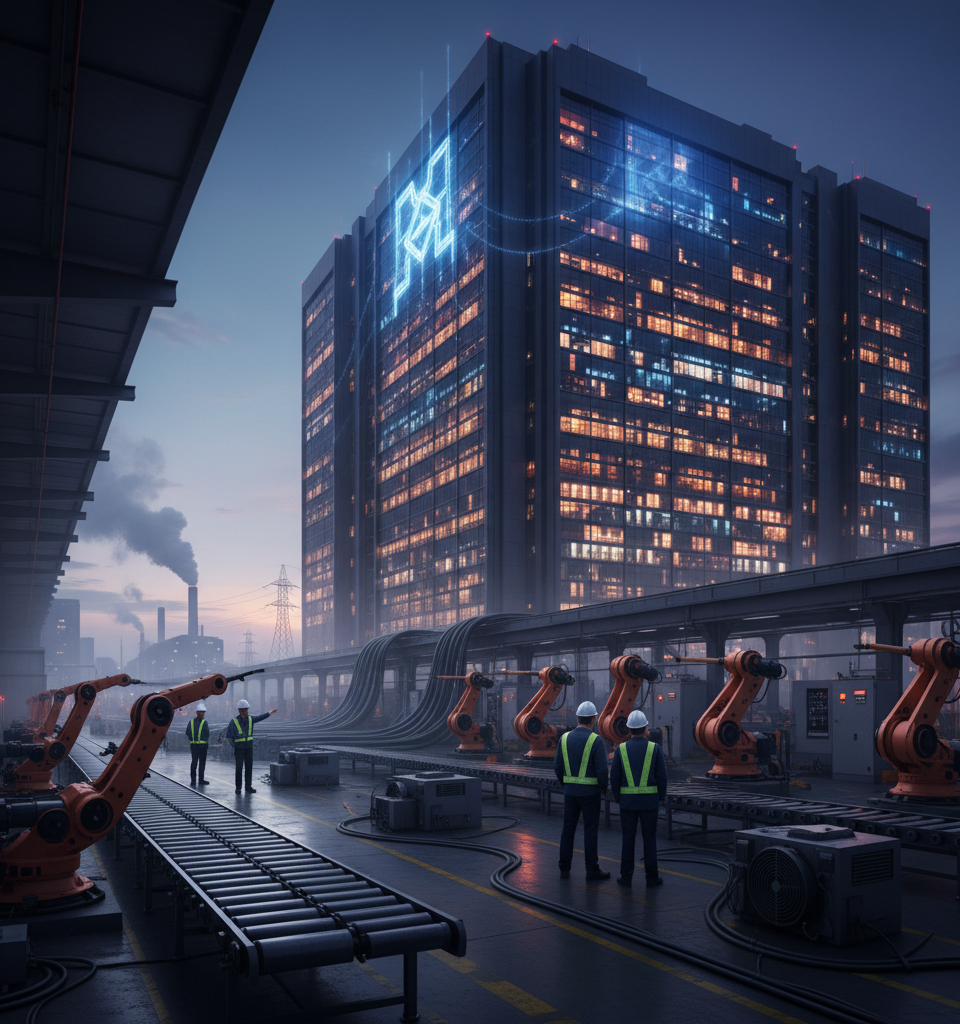
Industrial developers are facing significant hurdles in securing adequate electricity supplies, a direct consequence of the burgeoning demand from artificial intelligence data centers. This dynamic is rapidly transforming the calculus for industrial expansion, particularly in sectors increasingly reliant on automation, which traditionally had fewer energy needs. The competition for grid access and power capacity threatens to impede the efficiency and innovation crucial for modern manufacturing and logistics.
The AI Power Imperative
The rapid proliferation of AI technologies has ignited a fierce race to construct and expand data centers, critical infrastructure for processing vast amounts of data. These facilities are monumental consumers of electricity, with some estimates suggesting that a single large AI data center can demand as much power as a small city. This unprecedented surge in demand is placing immense strain on existing power grids, many of which were not designed to accommodate such rapid and concentrated increases in consumption. The challenge is particularly acute in regions popular for data center development, often due to their proximity to fiber optic networks and favorable regulatory environments, yet where local grid infrastructure may be struggling to keep pace.
Shifting Energy Landscapes for Industry
Historically, the industrial sector, outside of heavy manufacturing like steel or chemical production, has been considered a moderate energy consumer. However, the paradigm is shifting dramatically with the widespread adoption of automation, robotics, and advanced IT systems within factories and warehouses. Lights-out manufacturing, automated assembly lines, and AI-driven logistics systems all contribute to a significantly higher electrical load. Industrial developers, once able to secure power connections with relative ease, now find themselves in direct competition with hyperscale data center operators with vastly deeper pockets and a greater urgency to come online quickly. This competition is leading to longer wait times for grid connections, higher connection fees, and in some cases, outright rejection of new industrial developments due to insufficient power availability.
Economic and Operational Impacts
The implications of this energy crunch are far-reaching. Businesses planning to automate their operations face potential delays and increased costs, impacting their ability to compete globally. For instance, a new automated distribution center requiring 20 megawatts of power might now face a 2-3 year wait for approval and infrastructure upgrades, compared to a mere 6-12 months just a few years ago. This uncertainty can deter investment in new industrial facilities, potentially suppressing job growth and economic development in affected regions. Small and medium-sized enterprises (SMEs) are particularly vulnerable, as they often lack the capital and negotiating leverage to compete with large tech giants for power allocations.
Expert Insights on Grid Strain
Energy sector analysts are increasingly vocal about the grid's capacity challenges. "We are witnessing an 'energy land grab' driven by AI, and the existing electrical infrastructure simply wasn't built for this," commented Dr. Eleanor Vance, a lead energy strategist at Global Grid Solutions. "Utilities are playing catch-up, but grid upgrades are capital-intensive and time-consuming, often taking five to ten years for major projects. This timeline is out of sync with the rapid pace of AI development and industrial automation needs." She elaborated that while renewable energy sources are expanding, their intermittent nature presents additional challenges for grid stability, often necessitating significant battery storage or backup fossil fuel generation, further complicating the supply picture.
Navigating the Future: Solutions and Strategies
Looking ahead, several strategies are being explored to mitigate the power crunch. Utilities are investing heavily in grid modernization, including smart grid technologies and increased transmission capacity. Industrial developers are exploring on-site power generation solutions, such as microgrids powered by natural gas, solar, or even small modular reactors, though the latter remains largely nascent. Policymakers are also being urged to incentivize energy-efficient automation technologies and to develop more holistic energy planning that considers the divergent needs of both data centers and industrial operations. The dialogue around energy allocation and priority usage is becoming increasingly critical, hinting at potential regulatory interventions in the coming years to balance these competing demands.
Ultimately, resolving this growing energy dilemma will require a concerted effort from government, utilities, and industry. Without innovative solutions and strategic infrastructure investments, the transformative potential of industrial automation, a key driver of productivity and economic growth, risks being significantly hampered by power shortages. The current trajectory suggests a continued tightening of energy availability for industrial uses, demanding a reevaluation of energy policy and infrastructure investment priorities to ensure a resilient and prosperous automated future.