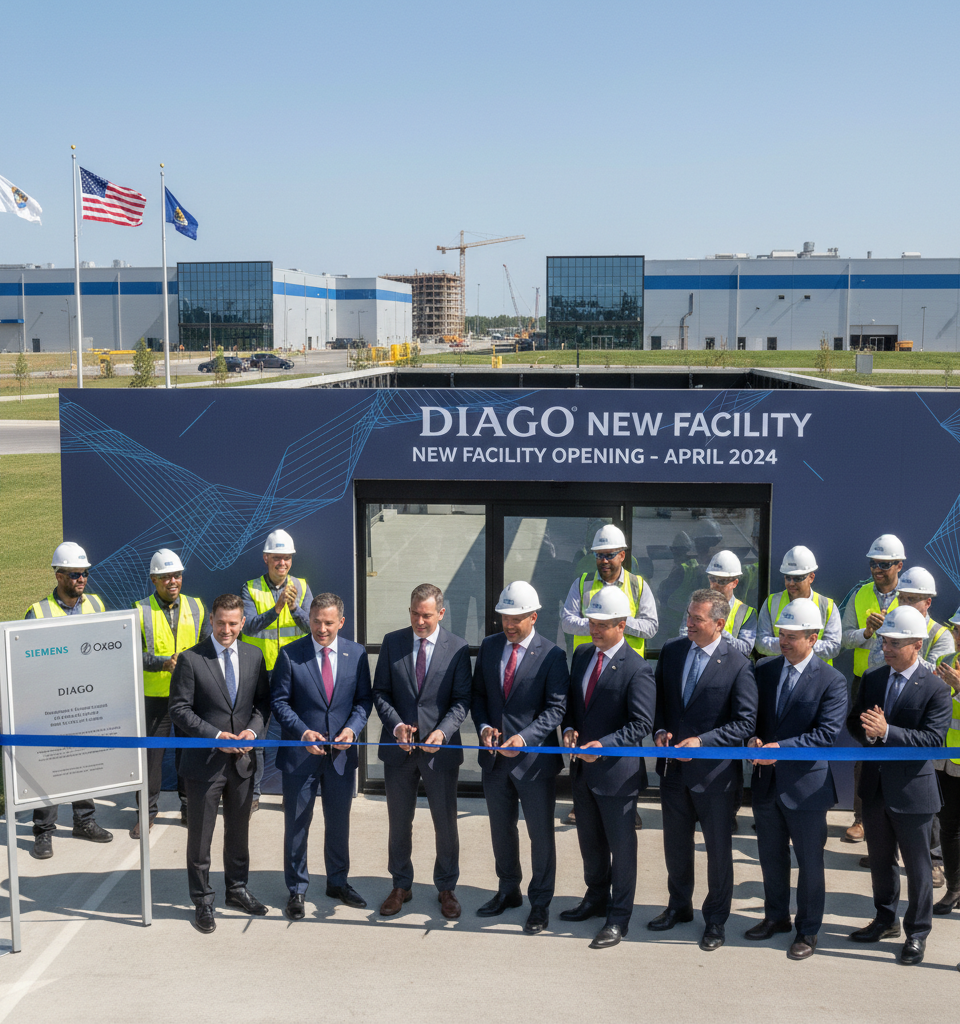
Across the United States, April marked a notable period of economic expansion and industrial development, heralded by the opening of new operational facilities by prominent global and domestic enterprises. Companies such as Siemens, Diageo, and Oxbo Agriculture, alongside others in varied sectors including metals processing, health and wellness, passenger rail, and solar energy, initiated operations at their new sites. This broad-based activity signals a buoyant investment environment and a strategic pivot by many firms towards enhancing production capabilities and supply chain resilience within the U.S. market.
Driving Economic Growth and Supply Chain Resilience
This flurry of facility inaugurations in April is more than just a series of corporate milestones; it reflects a broader macro-economic trend driven by several factors. Geopolitical shifts, coupled with lessons learned from recent global supply chain disruptions, have incentivized companies to onshore or nearshore critical manufacturing and processing capabilities. Furthermore, federal initiatives such as the Inflation Reduction Act (IRA) and the CHIPS and Science Act have provided substantial incentives for investments in renewable energy, semiconductors, and advanced manufacturing, contributing to this surge in domestic facility development. These investments are crucial for creating jobs, fostering technological innovation, and strengthening regional economies across the nation.
Key Investments and Sectoral Diversity
Specific examples from April's openings highlight the diverse nature of these investments. Siemens, a global technology powerhouse, expanded its footprint in advanced manufacturing, likely focusing on digital industrial technologies or smart infrastructure components. Diageo, the multinational alcoholic beverages company, may have opened new distilleries or bottling plants, indicating increased capacity for specific beverage lines and a response to evolving consumer demands.
Oxbo Agriculture, known for specialized agricultural equipment, likely inaugurated facilities that will enhance the production of its innovative farming machinery, supporting the agricultural sector's push towards efficiency and sustainability. Beyond these giants, new facilities in metals processing suggest a bolstering of foundational industries, while expansions in health and wellness products cater to persistent consumer demand for self-care and medical advancements. The establishment of new passenger rail and solar energy facilities further underscores a commitment to sustainable transport infrastructure and renewable energy production, respectively, aligning with national climate goals.
Broader Market Impact and Regional Development
The collective impact of these new facilities extends far beyond the individual companies. These investments create thousands of direct and indirect jobs, from construction workers during the development phase to engineers, production line operators, and logistics personnel once operations commence. They stimulate local economies through increased procurement from regional suppliers and higher tax revenues for municipalities. For instance, a new solar energy manufacturing plant can establish a localized ecosystem of material suppliers and component developers, fostering a renewable energy hub. Similarly, advanced manufacturing facilities often drive demand for a highly skilled workforce, prompting investments in local education and training programs.
Expert Commentary on Strategic Trends
Industry analysts view this trend as a strategic response to a complex global economic landscape. Dr. Eleanor Vance, an economic development expert at the Institute for Global Manufacturing, notes, "The April facility openings are indicative of a sustained effort by corporations to de-risk their supply chains and capitalize on attractive incentive packages within the U.S. This isn't just about production; it's about embedding innovation and resilience closer to key markets." She further suggests that the long-term benefits include not only economic growth but also enhanced national security through reduced reliance on external supply chains for critical goods.
Future Outlook and Continued Investment
Looking ahead, this trend of domestic industrial expansion is expected to continue throughout the year. Analysts predict that ongoing federal policies, coupled with a desire for greater operational control and proximity to consumers, will drive further investments in diverse sectors. Potential areas for future growth include further development in electric vehicle manufacturing, battery production, and biotechnology. These continuous investments are crucial for sustaining competitive advantage in a rapidly evolving global economy and are poised to reshape the industrial landscape of the United States, fostering innovation and economic stability for years to come. The initial push seen in April sets a strong precedent for the remainder of the year's economic activity.