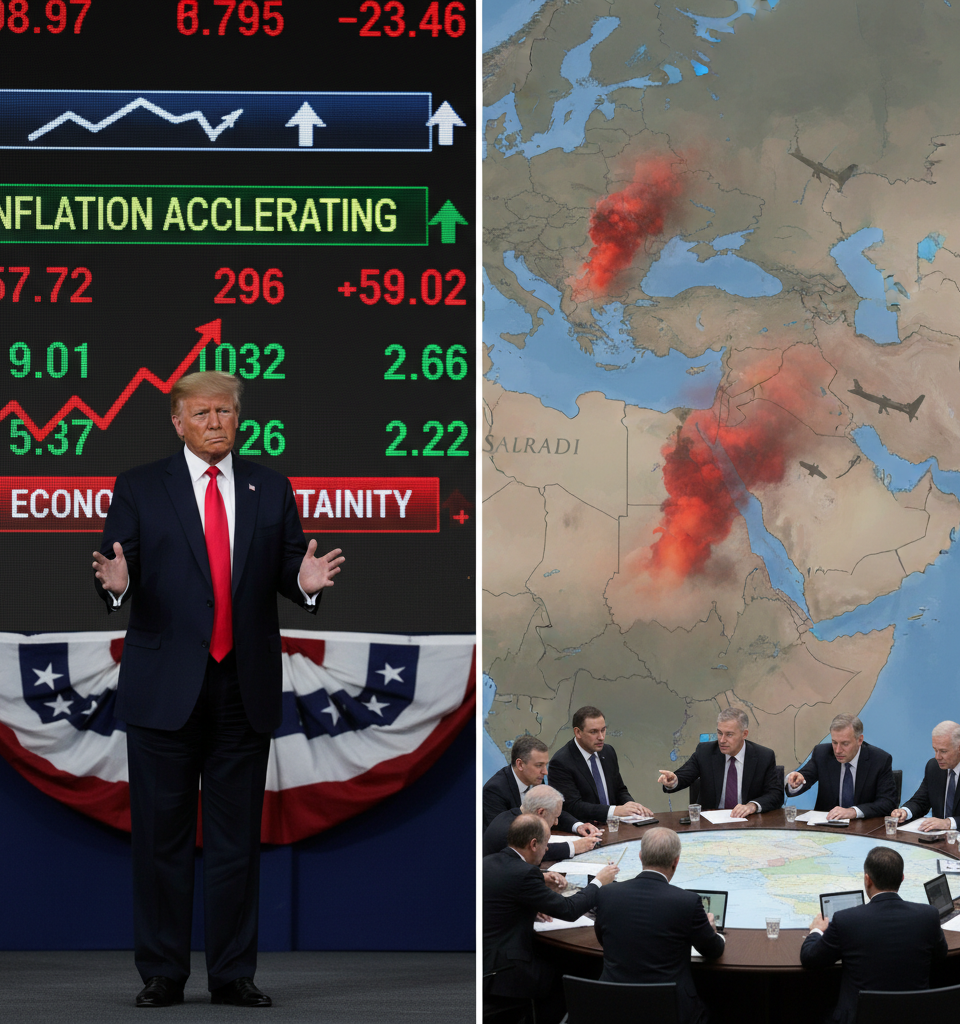
The Trump administration finds itself navigating a perilous economic landscape just months before an election that many analysts predict will hinge on the health of the U.S. economy. A recent surge in consumer prices, particularly at the gas pump and for everyday necessities, has emerged as a formidable challenge, directly impacting voter finances and, by extension, their patience. This renewed inflationary pressure is largely attributed to heightened tensions and ongoing conflict in the Middle East, specifically in Iran, which has sent global energy markets into a volatile spiral.
Eroding Consumer Confidence
Historically, economic prosperity has been a cornerstone of political campaigns, and rising costs threaten to undermine the perception of a strong economy that the administration has actively cultivated. 30 just two months prior. This substantial increase translates into tangible financial burdens for American households, particularly those with longer commutes or operating small businesses reliant on transportation.
5%, exceeding previous projections and the Federal Reserve's target of 2%. This persistent inflation directly erodes disposable income and consumer confidence.
Geopolitical Catalysts and Supply Chain Strain
The immediate trigger for this latest inflationary spike can be directly linked to the burgeoning conflict in Iran. Supply chain disruptions, fears of reduced oil output from the region, and increased shipping insurance premiums have all contributed to the volatility. Analysts at the International Energy Agency (IEA) recently revised their global oil demand growth forecast downwards for the current quarter, while simultaneously warning of potential supply constraints should the situation in the Persian Gulf escalate further. This geopolitical instability adds a layer of complexity to an already delicate global economic recovery post-pandemic.
Market Repercussions and Business Adjustments
The ripple effects of these soaring prices are reverberating across various sectors of the U.S. economy. The transportation and logistics industries, for instance, are absorbing higher fuel costs, which are then passed on to consumers through increased freight charges and ultimately, higher retail prices. Manufacturers are grappling with elevated input costs for raw materials and energy, forcing them to either absorb slimmer profit margins or implement price hikes, further fueling inflation. Small businesses, often operating on tighter budgets, are particularly vulnerable, with many reporting difficulties in maintaining profitability while trying to retain customer loyalty in a competitive market.
Expert Outlook and Economic Headwinds
Economists are expressing growing concern over the confluence of these factors. Dr. Eleanor Vance, chief economist at Veritas Research Group, noted, "The current inflationary environment is no longer solely a supply-side issue; it's now being compounded by geopolitical risk premiums that are difficult to mitigate. The Federal Reserve faces a challenging tightrope walk, balancing the need to tame inflation without stifling economic growth." Many are now questioning whether the Federal Reserve will be able to implement anticipated interest rate cuts in the near future, given the persistent inflationary pressures. The administration's focus on deregulation and energy independence is also under renewed scrutiny as global events underscore the interconnectedness of energy markets.
Political Ramifications and Voter Sentiment
From a political standpoint, the timing of this economic turbulence is particularly unfavorable for the incumbent administration. Public opinion polls consistently show that economic concerns, especially the cost of living, rank high among voters. A recent Reuters/Ipsos poll indicated that 68% of respondents believe the economy is getting worse, with 55% citing inflation as their primary concern. This sentiment could significantly erode support in key swing states where economic anxieties are already pronounced. The administration will likely intensify efforts to communicate its strategies for tackling inflation, potentially focusing on domestic energy production and supply chain resilience.
Navigating the Path Forward
Looking ahead, the trajectory of the Middle East conflict will undoubtedly play a crucial role in determining the future course of energy prices and, by extension, inflation. Domestically, the administration's ability to demonstrate effective strategies to cushion consumers from rising costs will be paramount. This could involve exploring options such as releasing strategic petroleum reserves, negotiating with international partners to stabilize oil markets, or implementing targeted relief programs for hard-hit sectors. The coming months will be a critical test, not only for the nation's economic resilience but also for the political fortunes of those in power as they contend with a frustrated electorate burdened by soaring expenses.
Future Economic Indicators
Investors and consumers alike will be closely watching upcoming economic indicators, including the next CPI report due out early next month, as well as unemployment figures and retail sales data. Federal Reserve pronouncements following their next policy meeting will also be closely scrutinized for any shifts in monetary policy in response to the evolving economic landscape. The interplay of geopolitical events and domestic economic policy will define the financial narrative leading up to one of the most anticipated elections in recent memory.