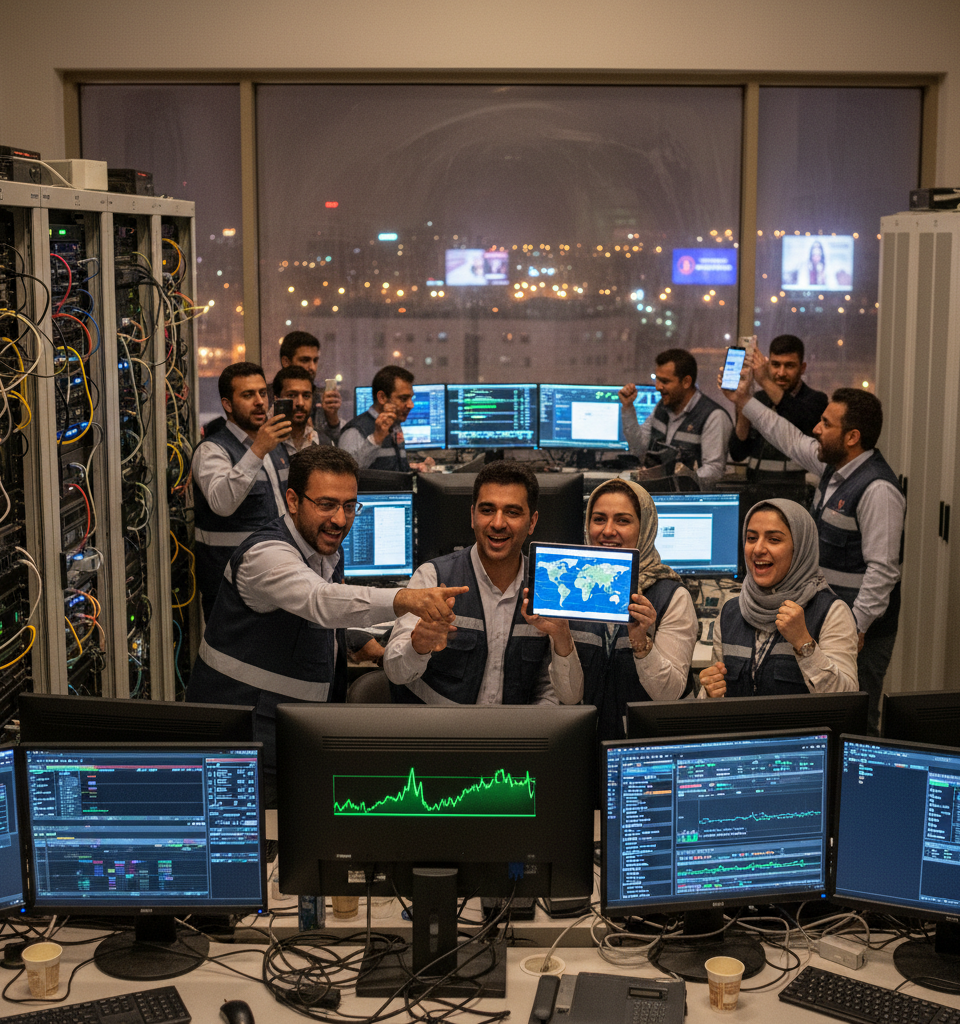
After an extensive three-month blackout, initial reports suggest that internet access is gradually being restored in various regions across Iran. Web monitoring groups, which have been tracking the significant disruption since its onset, are now observing a partial return of online services. While this development marks a notable change from the widespread internet shutdown, experts caution that it is presently unclear whether this reconnection will be sustained or if it signifies a full return to pre-blackout levels of connectivity.
Context of the Blackout
The previous three months have seen a near-total cessation of internet access for a significant portion of the Iranian population. This prolonged disruption had severe implications for daily life, commerce, and communication within the country. Historically, internet blackouts in Iran have often coincided with periods of social unrest or political sensitivity, making the recent outage a subject of considerable international scrutiny. The duration of this particular blackout, stretching almost 90 days, represents one of the most extended and comprehensive internet shutdowns experienced by the nation in recent memory, underscoring the profound impact it has had on citizens and businesses alike.
Details of the Reconnection
Web monitoring organizations, utilizing various network analysis tools and data points, have confirmed the detection of increasing traffic and active connections originating from Iran. These observations indicate that certain internet service providers (ISPs) or specific geographical areas are once again gaining access to the global network. However, the precise nature of this reconnection, including the types of services being restored, the bandwidth available, and the specific regions affected, is still under assessment. There has been no official statement from Iranian authorities regarding the restoration, leaving many questions unanswered about the scope and future of internet access within the country.
Broader Implications
The initial return of internet connectivity, even if partial, carries significant implications for Iran's economy and its connection to the global digital landscape. The extensive blackout severely hampered e-commerce, banking services, and international communications, causing considerable economic losses and isolating businesses operating online. A sustained and comprehensive restoration of internet access would be crucial for the recovery of these sectors and for allowing citizens to regain access to vital information and communication platforms. Conversely, a temporary or limited reconnection could further complicate the operational strategies of businesses and the daily lives of individuals who have adapted to the disruption.
Expert Observations
Analysts monitoring global internet freedom and digital rights have cautiously welcomed the initial signs of reconnection but emphasize the volatility of such situations. They point out that partial restorations can sometimes precede further disruptions or be accompanied by increased surveillance or filtering measures. These experts consistently highlight the critical importance of unrestricted internet access for human rights, economic stability, and transparent governance. They stress that the true measure of this development will be the extent to which full, uncensored internet access is permanently restored to all Iranian citizens.
Outlook on Future Connectivity
Moving forward, the primary question revolves around the permanence and scope of this internet restoration. Observers will be closely watching for patterns in connectivity, any official announcements that may clarify the government's stance, and the sustained functionality of various online platforms. The current situation remains fluid, with the possibility of further fluctuations in internet access. For the Iranian population, the hope is for an enduring return to the open internet, which has become an indispensable tool for education, commerce, and social connection in the 21st century. The international community also remains engaged, closely monitoring developments regarding digital access and human rights in the country.