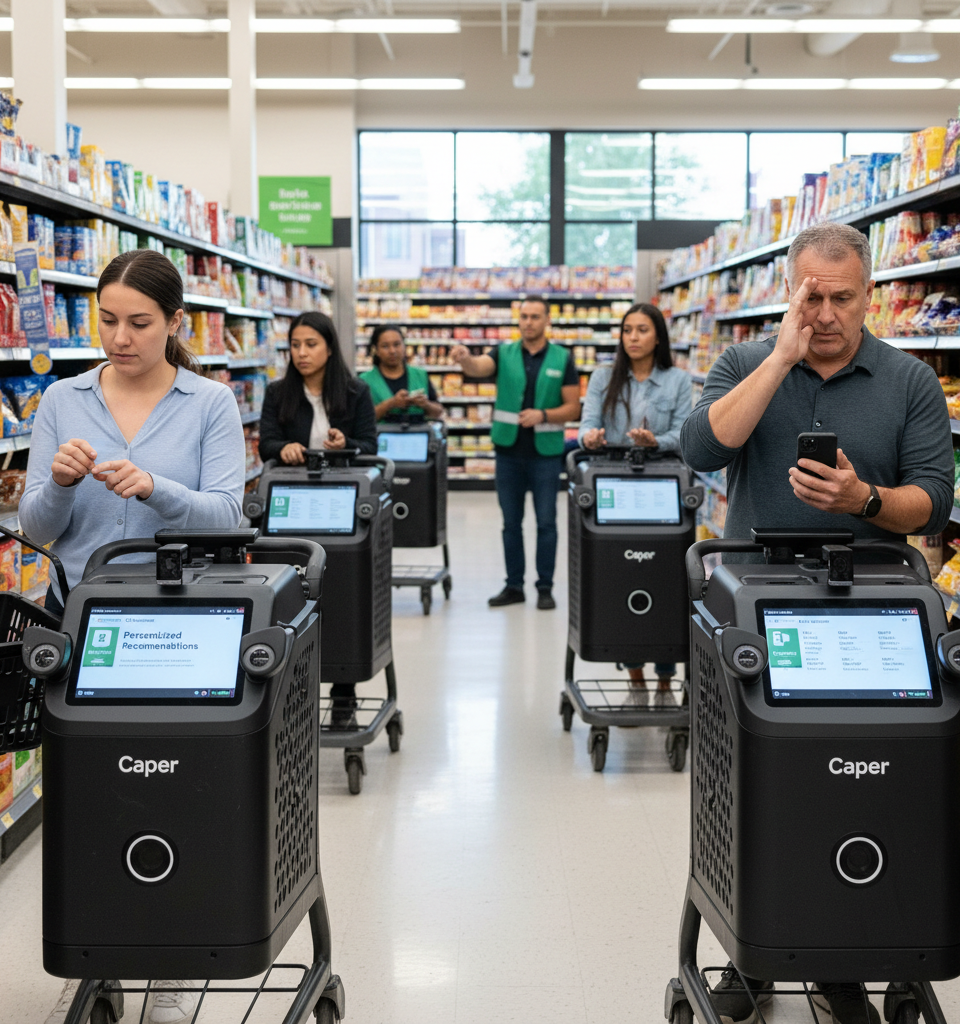
Instacart is currently deploying its Caper Carts, an advanced AI-driven shopping cart system, within select Weis Market locations. This initiative aims to streamline the grocery shopping process for consumers by offering features such as instant checkout, integrated coupon redemption, and personalized loyalty program benefits directly at the cart. While these technological advancements promise a more efficient and customized retail journey, their embedded functionalities—including cameras, real-time location tracking, and targeted in-aisle advertising—are prompting discussions about the balance between convenience and customer data collection.
The Evolution of In-Store Technology
The introduction of AI-powered shopping carts marks a significant step in the ongoing digital transformation of physical retail spaces. For years, retailers have sought ways to integrate the personalization and efficiency of online shopping into brick-and-mortar stores. Early attempts included self-checkout kiosks and mobile scanning apps, but these often required customers to manage multiple interfaces or perform additional steps. The Caper Cart, acquired by Instacart in 2021, represents a more ambitious approach, embedding complex computational power and data collection capabilities directly into the traditional grocery cart, transforming it into a high-tech personal shopping assistant.
Unpacking the Caper Cart's Capabilities
The Caper Carts are equipped with sophisticated imaging technology that identifies items as they are placed inside, automatically tallying the bill and allowing for immediate payment without needing to visit a traditional checkout lane. Beyond this core functionality, the carts are designed to enhance the shopping experience through integrated digital coupons that apply automatically and the ability to link loyalty programs for personalized discounts. Critically, these carts also feature cameras that monitor the cart's contents and potentially the shopper's interaction with products, GPS-like tracking to pinpoint the cart's location within the store, and screens that display advertisements relevant to the shopper's current aisle or purchase history. This extensive data capture mechanism is at the heart of the convenience-versus-privacy debate.
Industry Implications and Data Dynamics
The broader retail landscape is keenly observing Instacart's deployment of Caper Carts. The success of such technology could redefine the competitive edge for grocery retailers, allowing for unprecedented levels of personalization and operational efficiency. For Instacart, this move signifies an expansion beyond its traditional online delivery platform, enabling it to deepen its presence within the physical store environment and gather richer, more direct consumer data. This data—on shopping patterns, browsing habits, and advertisement engagement—could become an invaluable asset for targeted marketing and inventory management strategies, potentially influencing product placements and promotions across partner stores.
Consumer Sentiment and Privacy Concerns
The perceived convenience of faster checkout and personalized deals is undeniable for many consumers. However, the comprehensive data collection capabilities of the Caper Carts are likely to ignite discussions among privacy advocates and consumers alike. The presence of cameras, location trackers, and personalized ads within what was once a simple utility raises questions about the extent of corporate surveillance in everyday activities. Consumers may weigh the benefits of efficiency against the comfort of anonymity, potentially leading to varied adoption rates based on individual privacy thresholds and regional data protection regulations.
The Road Ahead for Smart Shopping
As Instacart and Weis gain insights from this pilot program, the future trajectory of smart shopping carts will become clearer. Key metrics will likely include adoption rates by shoppers, any measurable increase in sales or efficiency, and feedback concerning data privacy. Regulatory bodies and consumer interest groups may also begin to scrutinize the data collection practices, potentially leading to new guidelines or disclosures. The outcome of this trial could set a precedent for how extensively AI and data analytics are integrated into the most mundane aspects of daily life, particularly within the retail sector. The delicate balance between technological innovation and consumer trust will be a defining factor in whether these 'data machines' become a standard feature of the weekly grocery run or remain a niche, albeit cutting-edge, experiment.