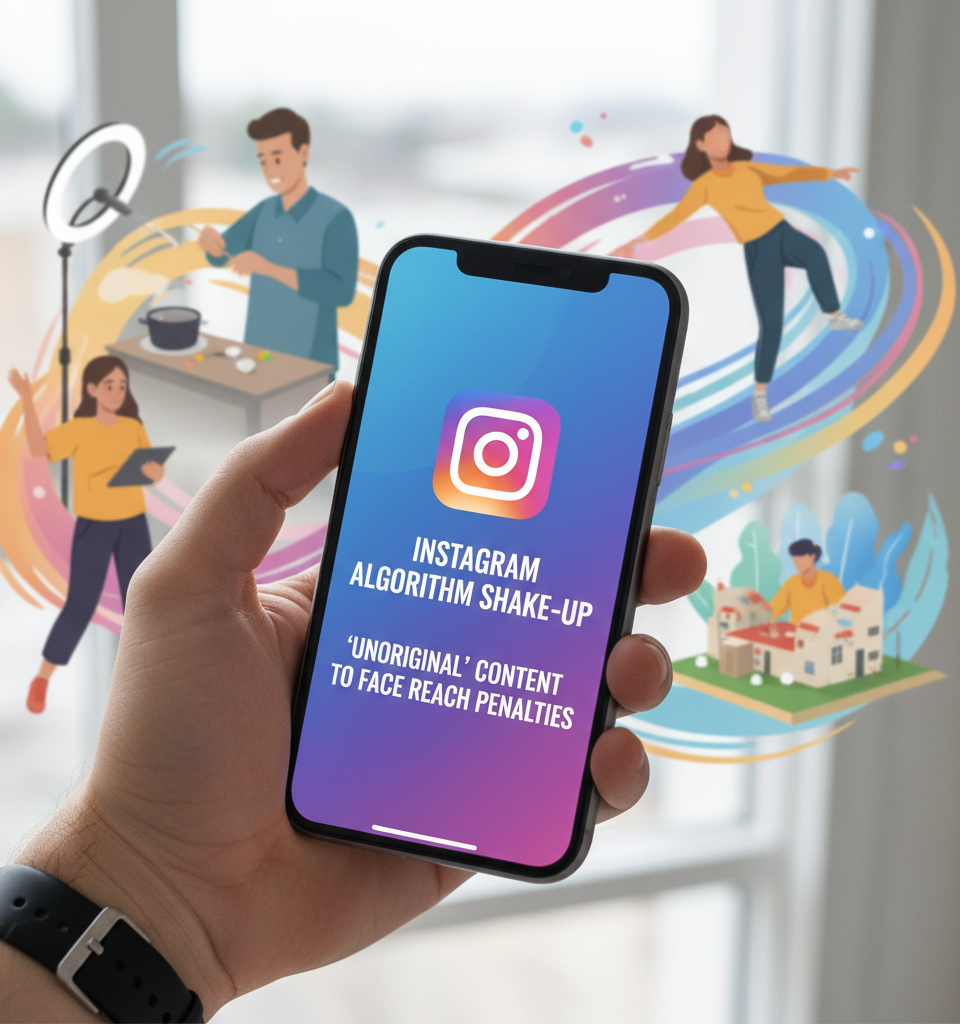
Instagram, a subsidiary of Meta Platforms, Inc., has announced a major update to its recommendation algorithm that will penalize 'unoriginal' photo and carousel content. Effective immediately, posts deemed to lack substantial value-add or material edits will experience reduced visibility across the platform, including in Reels, Explore, and Feed recommendations. This strategic shift aims to foster a more authentic and creative environment, pushing creators to generate genuinely unique content rather than simply reposting or aggregating existing material.
This move by Instagram signals a renewed focus on rewarding original creative output, a long-standing challenge for platforms grappling with content saturation and intellectual property concerns. For years, the platform has faced criticism concerning the widespread reposting of memes, viral videos, and other content without proper attribution or significant transformation. This algorithmic adjustment is a direct response to these issues, attempting to level the playing field for creators who invest time and resources into producing unique content from scratch.
The core of the update targets content identified as 'unoriginal,' specifically detailing that users who do not make "material" edits to posted content could see their reach significantly throttled. While the exact definition of "material" remains somewhat subjective, the intent is clear: shallow edits, text overlays on existing images, or simple re-sharing of popular content without substantial creative input will be disincentivized. Instagram has been testing similar measures with its video content, particularly Reels, where recycled content from rival platforms like TikTok has long been suppressed. This expansion to photos and carousels indicates a comprehensive strategy across all content formats.
This algorithmic pivot is expected to have a profound impact on various segments of the digital content market. Meme creators, aggregators of viral content, and news outlets heavily reliant on repackaging existing visuals will likely experience the most significant disruption. Conversely, original photographers, digital artists, and brands producing unique visual campaigns stand to benefit from increased discoverability. This could lead to a re-evaluation of content strategies for numerous businesses and individual creators who have previously thrived on a repurposing model. The financial implications for advertisers, who often work with large meme accounts for reach, also remain to be seen, potentially shifting ad spend towards creators known for original work.
Industry analysts are largely in agreement that this is a necessary if belated step for Instagram to maintain its competitive edge and content quality. "For too long, Instagram has struggled with the sheer volume of recycled content, diluting the experience for users and disincentivizing true creativity," says Dr. Emily Chen, a social media expert at the University of California, Berkeley. "This update, if effectively implemented, could lead to a more vibrant and engaging platform, although the immediate transition might be challenging for some established accounts." Others suggest this move aligns with Meta's broader strategy to enhance creator monetization through original content, tying creator success more closely to unique intellectual property.
Looking ahead, Instagram plans to provide more clarity and tools for creators to understand and adapt to these changes. The platform will likely roll out enhanced analytics to help users identify if their content is being flagged as unoriginal, along with educational resources on how to create 'materially' edited posts. This initial rollout for photos and carousels is a crucial test, and its success could dictate further refinements to the algorithm and content policies. The long-term implication is a potential shift in the influencer economy, rewarding genuine creativity and potentially pushing some content strategists back to the drawing board to innovate rather than replicate.
The algorithm update underscores Instagram's ongoing commitment to evolving its platform to meet user expectations for quality and originality. While the immediate impact will undoubtedly be felt by many content creators, the ultimate goal appears to be a more sustainable and enriching ecosystem for both content producers and consumers alike. The coming months will reveal how effectively creators adapt and how significantly this change reshapes the visual landscape of one of the world's largest social media platforms.