Unintended Artistic Choices and User Frustration
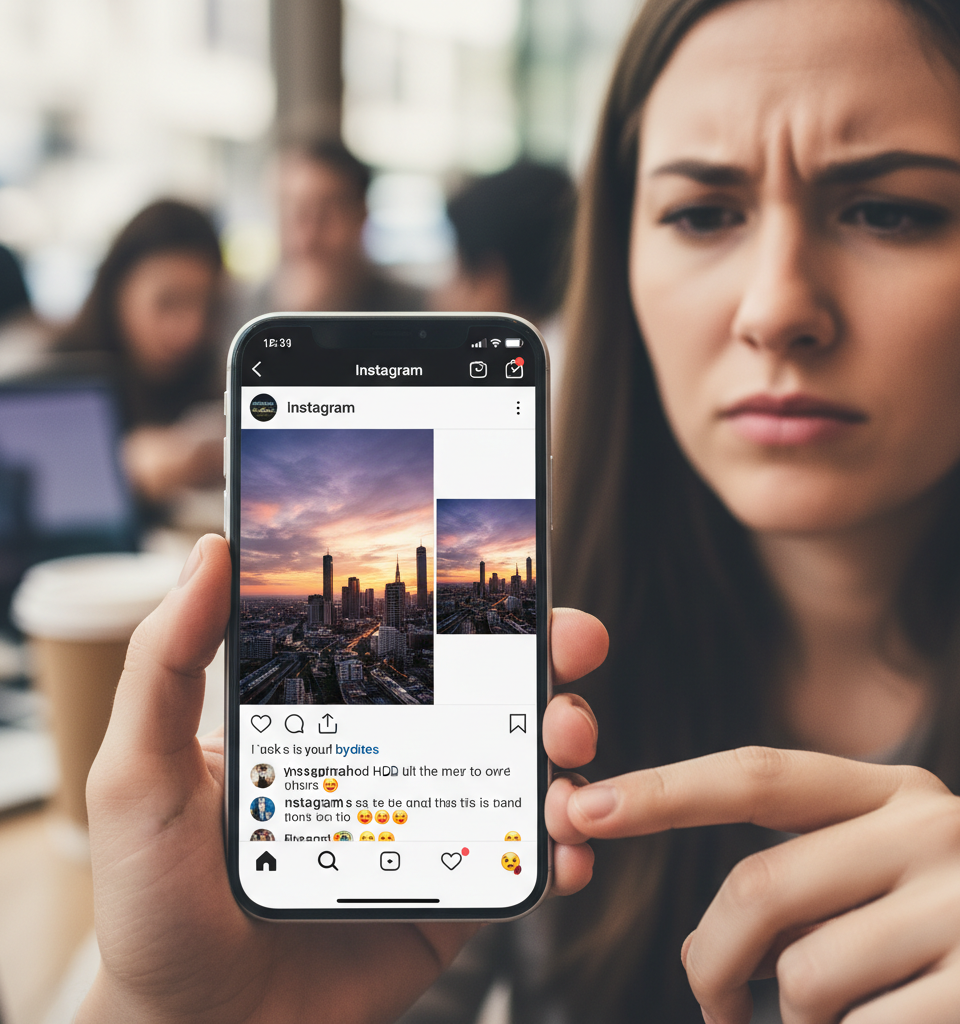
The unexpected desaturation of vibrant color photos into monochrome presentations, without user consent or application of filters, created a wave of confusion and dissatisfaction. For many content creators, businesses, and casual users who rely on Instagram for visual storytelling and brand representation, the integrity of their image posts is paramount. The bug effectively undermined the intended aesthetic and emotional impact of countless meticulously captured and edited HDR photographs, a format designed to capture a wider range of light and detail, thus inherently relying on color fidelity. This incident underscores the critical importance of visual accuracy on a platform built almost entirely on imagery.
Technical Specifics and Scope of Impact According to an official statement provided by Instagram,
"Earlier today, a technical issue caused some HDR photos to appear incorrectly as black-and-white for a subset of accounts." While the company did not specify the exact percentage or number of affected accounts, the volume of public complaints suggests a notable, though not universal, impact. The precise technical mechanism of the bug, specifically how it interfered with the rendering pipeline for HDR content, remains undisclosed. HDR photography, which merges multiple exposures to create a single image with greater dynamic range, is increasingly prevalent due to advanced smartphone cameras and professional photography equipment, making this a relevant issue for a growing segment of the app's users.
Broader Implications for Social Media Reliability
This incident, though seemingly minor, highlights the continuous challenges faced by large-scale social media platforms in maintaining flawless technical operations for billions of users. In an era where visual content dominates digital communication and commerce, even transient glitches can erode user trust and impact user experience. Beyond Instagram, consistent performance and reliable content display are fundamental expectations across the entire social media industry, spanning platforms like TikTok, X (formerly Twitter), and Pinterest, all of which heavily rely on visual integrity for user engagement and advertising revenue. The speed and transparency with which such issues are resolved often influence user perception of a platform's stability and commitment to its community.
Expert Analysis: The Cost of Glitches in the Creator Economy
Technology analysts emphasize that even brief outages or display errors can have ripple effects, particularly within the burgeoning creator economy, estimated to be worth over $250 billion globally. "In a digital landscape where personal brand and visual consistency are king, a bug that strips color from carefully crafted HDR images can be more than just an inconvenience; it can be a direct hit to a creator's professional output," explains Dr. Evelyn Reed, a digital media expert at Silicon Valley University. "For influencers, artists, and small businesses, where the visual appeal directly translates to engagement and potential revenue, these glitches aren't just technical hiccups; they're business interruptions." She stressed that while resolutions are typically swift, the initial disruption can force content creators to re-post, re-engage, and potentially lose momentum on viral content.
Anticipating Future Safeguards and Developments
Instagram has not yet detailed the specific patch or permanent fix applied to resolve the HDR display issue, nor has it outlined any enhancements to its quality assurance protocols following the bug. However, such incidents typically lead to internal reviews of rendering engines, content delivery networks (CDNs), and cross-platform compatibility testing, particularly concerning evolving image formats like HDR. Users can anticipate continued vigilance from Instagram's engineering teams to prevent recurrence, possibly through more rigorous pre-release testing cycles and enhanced real-time monitoring systems. As smartphone camera technology continually advances, integrating new photographic capabilities seamlessly into billion-user platforms will remain a complex, ongoing technical challenge for Meta and its competitors.