The Shifting Sands of the 2026 Selling Season The 2026 selling season is casting a long shadow of apprehension over the private homebuilding sector.
Unlike previous cycles where the primary focus was on driving traffic to sales centers, converting leads, and managing buyer incentives, the current landscape introduces a new layer of complexity. Homebuilders are grappling with a confluence of factors including fluctuating interest rates, supply chain inconsistencies, labor shortages, and evolving buyer preferences. This environment necessitates a granular examination of every aspect of the business, from land acquisition to final delivery. The ability to expedite construction timelines directly impacts carrying costs, inventory turns, and ultimately, profitability, making efficiency a paramount strategic imperative.
Engineering Efficiency: The Core of the Strategy
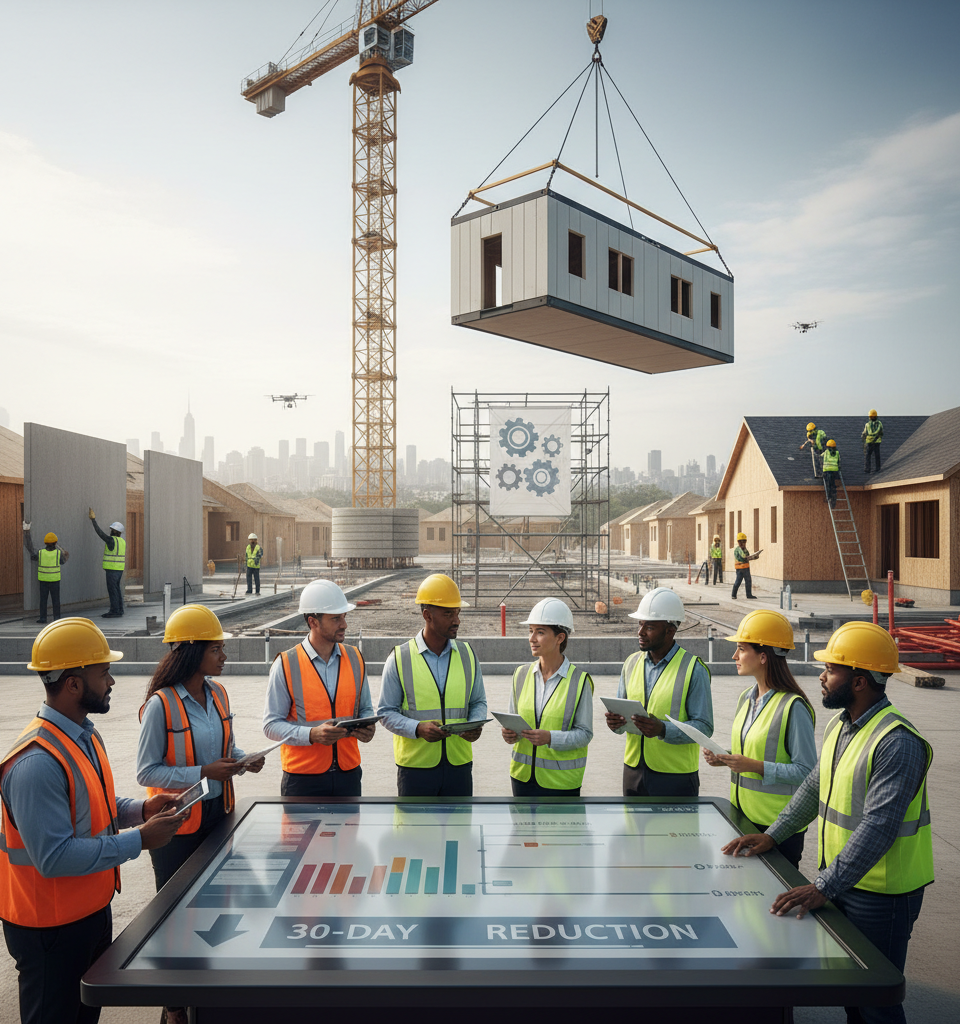
The builder's breakthrough stems from a comprehensive integration of its operational departments, breaking down traditional silos between design, procurement, construction management, and sales. By leveraging advanced data analytics and unified project management platforms, the company achieved real-time visibility across all stages of the building process. Sources close to the operation indicate that the implementation involved a significant investment in technology and a cultural shift towards collaborative decision-making. Key outcomes include optimized scheduling, pre-emptive identification of material shortages, and a streamlined communication flow that has dramatically reduced delays historically associated with handoffs between departments. While specific cost savings figures were not released, the reduction in carrying costs for inventory homes alone is estimated to be substantial.
Industry-Wide Implications and Market Response
The ripple effects of this builder's success are expected to resonate across the homebuilding industry. As market conditions tighten, the ability to deliver homes faster and more predictably will become a significant differentiator. Competitors are likely to scrutinize their own operational models, seeking similar efficiencies. Analysts suggest that builders who fail to adapt and embrace integrated approaches could face increasing pressure on their margins and market share. This trend could accelerate the adoption of proptech solutions and lean construction methodologies across the sector, driving a much-needed modernization wave.
Expert Commentary on Operational Excellence
Industry experts are recognizing the significance of this operational leap. Dr. Eleanor Vance, a leading housing market economist, commented, "In an environment where every dollar counts and market sentiment is fragile, a 30-day reduction in cycle time is not just an incremental improvement; it's a transformative competitive advantage. It allows builders to respond more nimbly to market shifts, manage cash flow more effectively, and potentially offer more competitive pricing as carrying costs decrease." She further added, "This move towards integrated operations signals a more mature and data-driven approach in an industry often criticized for its reliance on antiquated processes."
Looking Ahead: The Future of Homebuilding Efficiency
Moving forward, the success of this builder is likely to serve as a blueprint for others. The industry is poised for continued innovation in operational efficiency, with a growing emphasis on prefabrication, modular construction, and AI-driven supply chain optimization. The 2026 selling season promises to be a proving ground for business models that prioritize agility and precision. Builders who can replicate or surpass these efficiency gains will not only navigate the uncertainties but are likely to emerge as market leaders, reshaping the expectations for construction timelines and delivery capabilities throughout the residential construction sector. The pressure is mounting for all players to re-evaluate and revitalize their core operational strategies to stay competitive. The days of siloed operations are rapidly receding, making way for a more integrated, data-driven, and ultimately, more resilient homebuilding future.