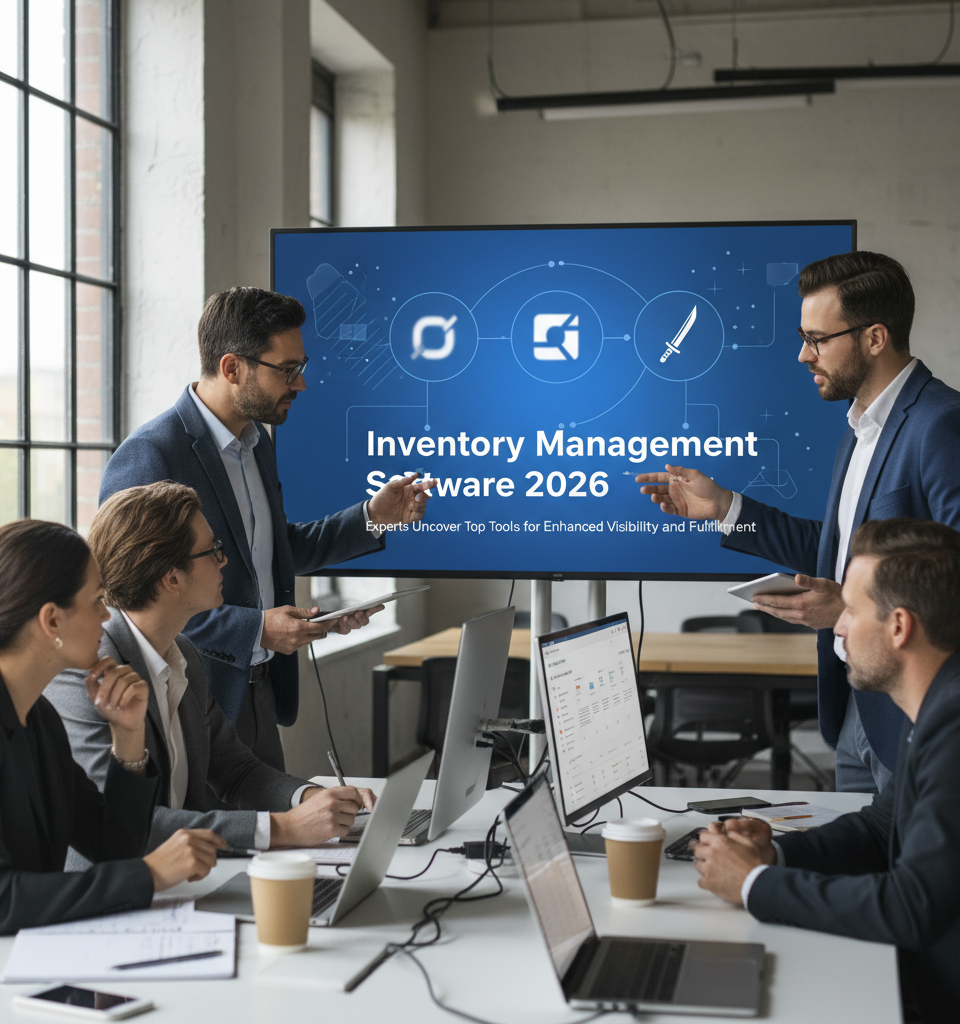
In a competitive global marketplace demanding precision and efficiency, businesses are actively seeking advanced tools to gain a critical edge. A comprehensive review by industry specialists has pinpointed the leading inventory management software for 2026, offering crucial insights into platforms vital for enhanced stock visibility and smoother fulfillment. This timely analysis, published recently by a consortium of supply chain analysts, provides a definitive guide for enterprises grappling with inventory bottlenecks and the escalating costs of inefficient stock control.
The Evolving Landscape of Stock Management
The strategic importance of effective inventory management has dramatically amplified in recent years, driven by factors such as the rise of e-commerce, global supply chain disruptions, and heightened customer expectations for rapid delivery. Historically, businesses relied on manual tracking or rudimentary spreadsheets, a methodology that proved unsustainable as product catalogs expanded and sales volumes surged. The current landscape necessitates intelligent, automated solutions that can offer real-time data, predictive analytics, and seamless integration with other enterprise resource planning (ERP) systems. The market for inventory management software is projected to reach approximately $5.4 billion by 2028, growing at a compound annual growth rate (CAGR) of 8.5% from 2023, underscoring its pivotal role in modern commerce.
Leading Solutions for 2026 Among the platforms highlighted for their superior performance,
Odoo stands out for its comprehensive, modular approach, offering a full suite of business management tools beyond just inventory, making it particularly attractive to growing companies seeking an integrated solution. Square, traditionally known for its point-of-sale systems, has been lauded for its intuitive interface and robust inventory features tailored for small to medium-sized businesses (SMBs) with diverse product lines. Its ease of use and seamless integration with payment processing make it a popular choice for retail and hospitality sectors. Katana, on the other hand, distinguishes itself with its strong focus on manufacturing and production planning, providing intricate control over raw materials, work-in-progress, and finished goods, a critical differentiator for businesses with complex assembly processes. Other notable contenders included in the top tier were Zoho Inventory for its cloud-based accessibility and affordability, and Netsuite, recognized for its enterprise-level scalability and extensive customization options.
Impact on Business Operations and Market Dynamics
Implementing advanced inventory management software can significantly transform a business's operational agility and profitability. Enhanced visibility into stock levels translates directly into optimized ordering, reducing instances of both overstocking—which ties up capital—and understocking—which leads to lost sales and customer dissatisfaction. For instance, companies utilizing such systems have reported an average 20-30% reduction in carrying costs and a 15-25% improvement in order fulfillment rates. This not only affects the bottom line but also profoundly impacts supply chain relationships, enabling more predictable demand forecasting and stronger partnerships with suppliers. The competitive pressure on businesses to adopt these technologies is immense, as those resistant to change risk falling behind competitors who leverage data-driven inventory decisions.
Expert Analysis and Future Trends
Financial analysts and supply chain consultants universally agree on the transformative power of these solutions. "The days of managing inventory by gut feeling are long gone," states Dr. Anya Sharma, a principal analyst at Supply Chain Insights Group. "Companies that accurately track and forecast demand using sophisticated software are seeing dramatic improvements in operational efficiency and customer satisfaction. The return on investment (ROI) for these systems, often realized within 12 to 18 months, is compelling." Experts also foresee increasing integration of artificial intelligence (AI) and machine learning (ML) within these platforms, moving beyond just real-time tracking to predictive analytics that can anticipate demand shifts, optimize warehouse layouts, and even suggest dynamic pricing strategies based on inventory levels and market conditions.
Looking Ahead: Automation and Predictive Capabilities
The trajectory for inventory management software points towards even greater automation and predictive capabilities. Future iterations are expected to seamlessly integrate with Internet of Things (IoT) devices for automated stock counting, drone technology for warehouse inspections, and blockchain for enhanced supply chain transparency. Further developments will likely focus on hyper-personalization of inventory recommendations based on individual customer purchasing habits and real-time market sentiment analysis. Businesses that embrace these emerging technologies will be best positioned to navigate the complexities of global commerce, demonstrating superior resilience and delivering unparalleled customer experiences in a rapidly evolving economic landscape.