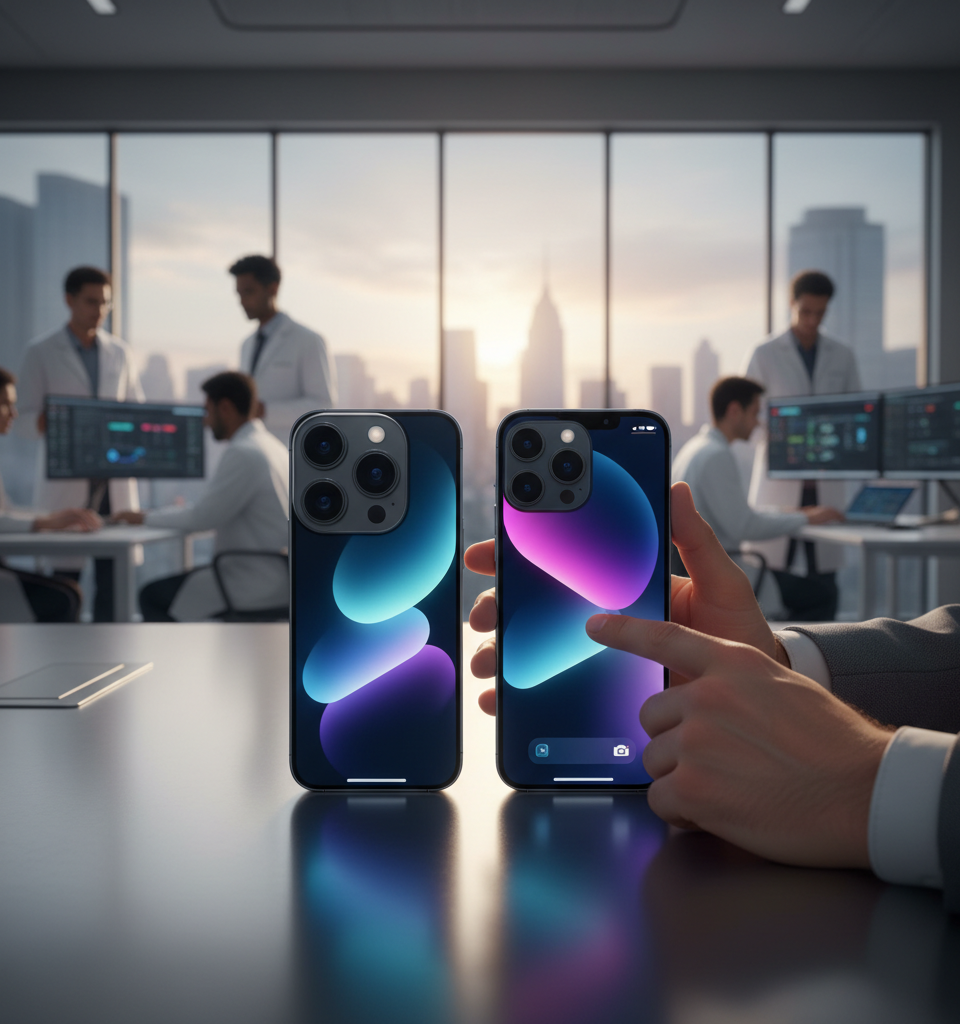
CUPERTINO, CA – Apple Inc. formally launched its much-anticipated iPhone 17 series this week, with initial reviews and consumer reactions quickly focusing on its lineage to last year's iPhone 16. The Cupertino technology giant is once again prompting users worldwide to weigh the benefits of incremental innovation against the cost of an upgrade, particularly as the smartphone market grapples with maturation and a discerning consumer base.
The annual refresh cycle of Apple's flagship smartphone is a highly anticipated event, dictating trends and often setting benchmarks for the broader mobile industry. In recent years, however, the pace of revolutionary changes has arguably slowed, giving way to more refined, iterative improvements. This year's iPhone 17 appears to follow this pattern, building upon the solid foundation of the iPhone 16 rather than introducing a complete paradigm shift. For many consumers, the question isn't just about the new features, but whether these enhancements justify the premium price tag, especially in an era of economic uncertainty and extended smartphone lifecycles.
Key among the iPhone 17's notable enhancements are its upgraded camera system, an improved display, and enhanced battery life. Apple touts the new camera module as featuring a 48-megapixel ultra-wide sensor, a significant leap from the iPhone 16's 12-megapixel offering, promising superior low-light performance and greater detail capturing capabilities. The display receives a boost with a new LTPO panel, offering variable refresh rates from 1Hz to 120Hz for more efficient power consumption and smoother visuals, an improvement over constant high refresh rates. Furthermore, early reports suggest an average of a 15% increase in battery longevity, translating to approximately two additional hours of video playback or web browsing, addressing a perpetual consumer pain point. Pricing for the base iPhone 17 model starts at $799, while specific upgrades and storage tiers can push the cost above $1,200.
This release occurs within a highly competitive and somewhat stagnant global smartphone market. Recent reports from IDC indicate a fractional year-over-year growth in smartphone shipments, suggesting that consumers are holding onto their devices longer. Apple, despite its premium positioning, is not immune to these trends. The company's strategy of incremental updates, while maintaining profit margins and brand loyalty, also risks alienating users seeking revolutionary leaps. Competitors like Samsung and Google are also pushing boundaries in areas like foldable phones and AI integration, further challenging Apple's dominance.
Industry analysts offer a mixed perspective on the iPhone 17's market impact. "Apple is playing it safe, delivering solid, reliable upgrades that appeal to their loyal customer base," commented TechInsights analyst Sarah Chen. "The camera and battery improvements are genuinely valuable, but they might not be enough to sway iPhone 15 or even high-end iPhone 14 users to upgrade immediately. The real growth will come from those upgrading from much older models or switching from Android." She further noted that the improvements could secure Apple's market share in a tightening economy, especially considering the robust trade-in programs offered by carriers.
Looking ahead, the longevity of the iPhone 17's upgrade cycle will be a critical metric for Apple. While the immediate sales figures will offer a snapshot of initial demand, the sustained purchasing patterns over the next 12-18 months will indicate the true 'stickiness' of these incremental improvements. Rumors for future iterations already point towards more significant design overhauls and potentially groundbreaking AI features integrated directly into the hardware and software architecture, suggesting Apple is reserving its revolutionary cards for upcoming releases. For now, the iPhone 17 represents a carefully considered, evolutionary step in the company's perennial quest to balance innovation with market realities.
Ultimately, the decision to upgrade to the iPhone 17 from the iPhone 16 hinges on individual priorities. For photography enthusiasts, heavy users demanding extended battery life, or those seeking a noticeably smoother visual experience, the iPhone 17 offers tangible benefits. However, for the casual user, the iPhone 16 remains a highly capable device, and the financial outlay for the incremental improvements might not justify the immediate expenditure. Apple continues to refine a winning formula, relying on ecosystem lock-in and a reputation for quality to navigate the evolving tech landscape.