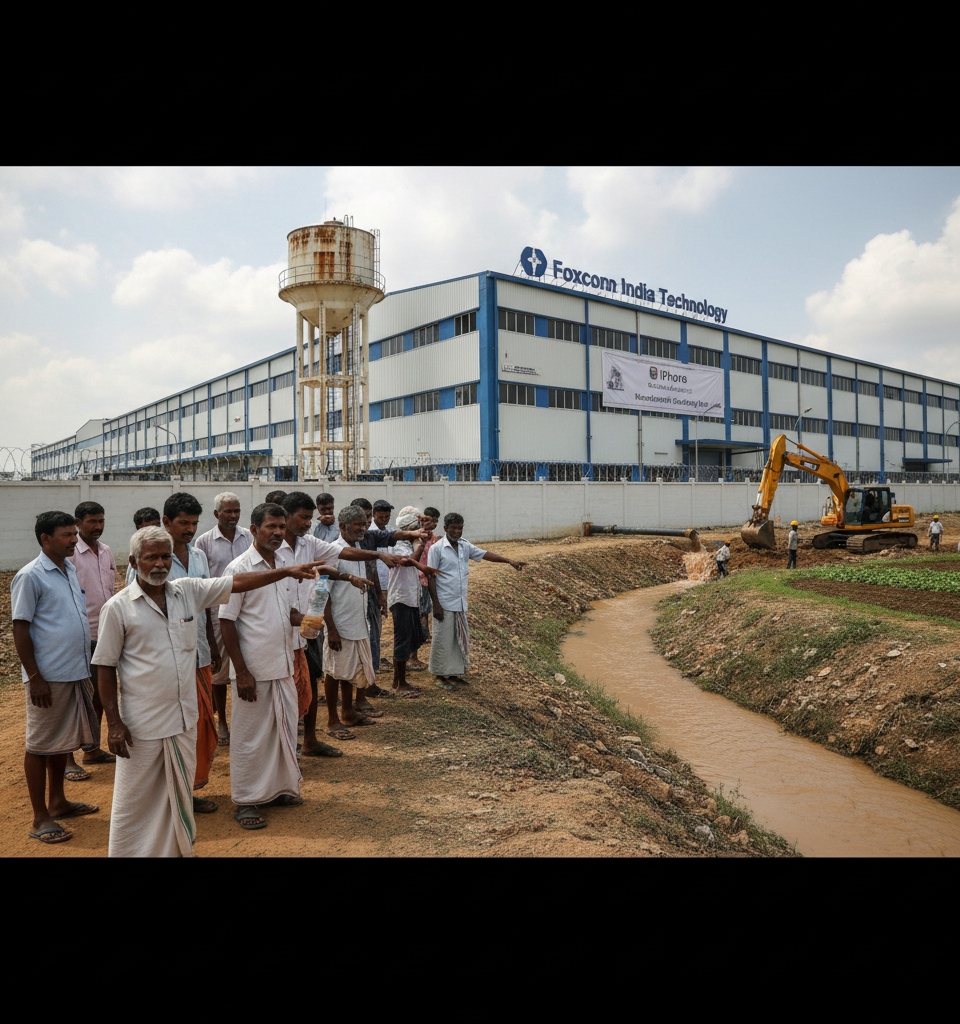
Local health authorities in Hosur, India, are conducting a renewed investigation into an iPhone parts factory operated by Tata following ongoing allegations of water contamination. This scrutiny persists despite the company's recent statement asserting that internal water samples showed no signs of pollution. The inquiry stems from complaints lodged by farmers residing in close proximity to the facility, raising concerns about the environmental impact of the manufacturing operations.
This renewed probe underscores the growing emphasis on environmental compliance and corporate responsibility within India's rapidly expanding manufacturing sector, particularly concerning major international supply chains. The region, already grappling with industrial growth and agricultural demands, highlights the delicate balance between economic development and ecological preservation. Previous incidents involving industrial waste and local water sources have often led to protracted disputes between communities and corporations, making this case a significant test for regulatory oversight and corporate accountability.
Key details emerging from the situation indicate a discrepancy between Tata’s internal assessments and external community observations. While Tata has publicly stated that recent water samples collected from within its Hosur factory demonstrate no contamination, Reuters reports confirm that local health officials are actively pursuing investigations into the farmers' complaints. The nature and extent of the alleged contamination, as well as its potential impact on local agriculture and public health, remain central to the ongoing inquiry. Authorities are expected to conduct independent testing of water sources in the affected agricultural areas to ascertain the validity of the claims.
The broader industry and market implications of such an investigation are substantial. As global technology giants like Apple increasingly diversify their supply chains into countries like India, the environmental and social governance (ESG) performance of their manufacturing partners becomes a critical factor. Any confirmed environmental lapses could prompt stricter oversight from international brands, potentially influencing investment decisions and factory audits across the Indian manufacturing landscape. This situation could serve as a precedent for how environmental grievances are addressed in the context of burgeoning industrial hubs.
While specific expert perspectives on this particular probe have not been detailed, the general consensus among environmental analysts is that proactive and transparent measures are crucial. Experts typically emphasize the importance of robust environmental impact assessments, regular independent audits, and effective community engagement strategies for industrial facilities. The current situation highlights the challenge faced by manufacturers in maintaining public trust while operating in environmentally sensitive areas, especially when local communities voice concerns that contradict corporate findings.
Looking ahead, the immediate next steps involve the comprehensive analysis of external water samples by local health officials. The findings from these tests will be pivotal in determining the future course of action, which could range from mandating stricter environmental controls at the Tata facility to potential legal ramifications. "The immediate next steps involve the comprehensive analysis of external water samples by local health officials.
The findings from these tests will be pivotal in determining the future course of action, which could range from mandating stricter environmental controls at the Tata facility to potential legal ramifications. The outcome of this investigation will undoubtedly influence both local environmental policy and the operational practices of other industrial facilities in the region, setting an important precedent for environmental compliance within India’s crucial role in the global electronics supply chain.