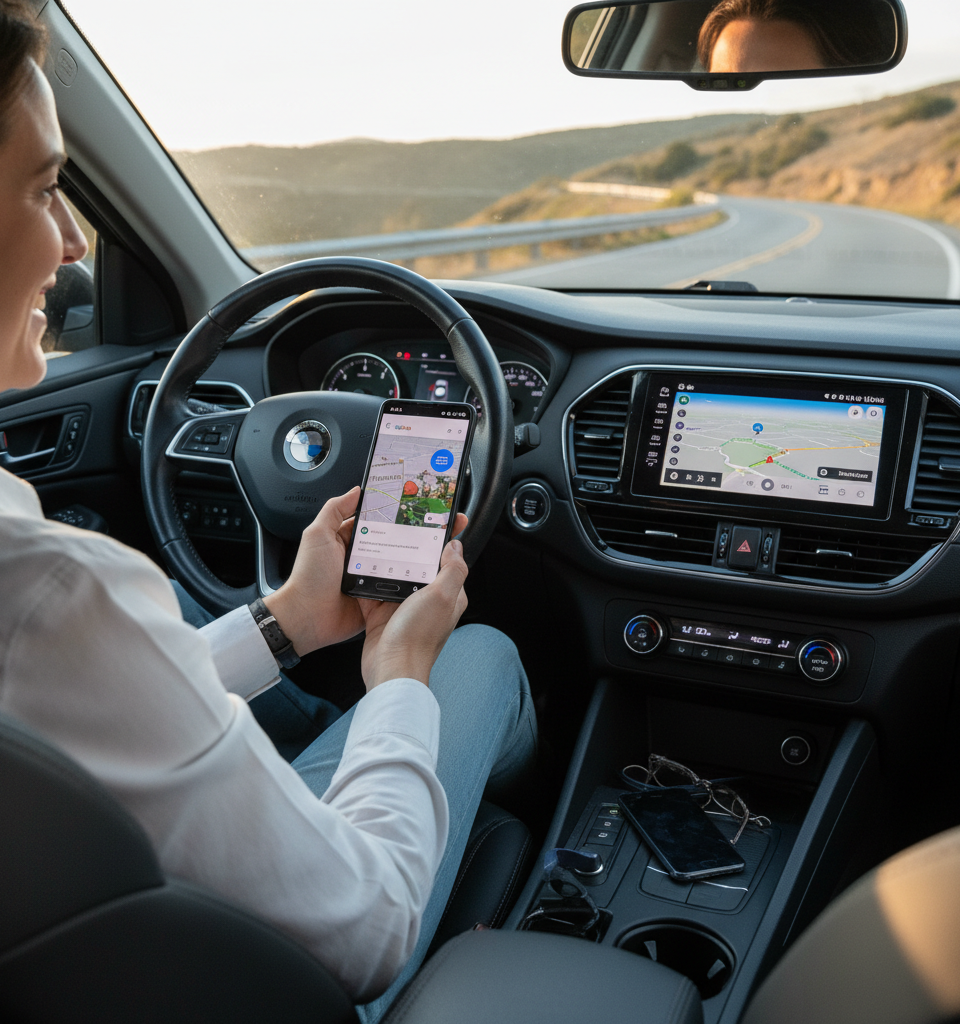
The integration of Google's Gemini artificial intelligence assistant with Android Auto is reportedly enabling a seamless and valuable driving experience, even for users traditionally aligned with the Apple ecosystem. One such user, an iPhone owner, has detailed a positive and unregretted transition to utilizing Gemini through an Android phone and Android Auto in their vehicle. This development points to the growing utility of advanced AI in automotive contexts, offering practical assistance behind the wheel.
The Driving Force Behind the Switch
Historically, mobile operating systems have cultivated strong user loyalty, often extending to in-car infotainment systems. Apple CarPlay and Android Auto have long vied for dominance in integrating smartphone functionalities into vehicle dashboards. However, the qualitative report suggests that the enhanced capabilities offered by Gemini within the Android Auto framework are proving compelling enough to override established brand preferences, at least for specific use cases like in-car assistance. The primary requirement for unlocking this functionality is an Android smartphone paired with a vehicle equipped with Android Auto.
Gemini's In-Car Advantages
Gemini, Google's advanced AI model, offers a broad spectrum of assistive functions that can be particularly beneficial in a driving scenario. These tasks can range from managing navigation queries, controlling media playback, answering general knowledge questions, providing real-time traffic updates, and even aiding with communication tasks such as sending messages or making calls, all through voice commands. The hands-free operation and contextual awareness provided by Gemini are critical for minimizing driver distraction and enhancing safety. The user's contentment implies that these AI-driven features are not merely incremental improvements but represent a significant leap in usability and convenience over previous in-car experiences.
Industry Implications and Cross-Platform Appeal
The reported satisfaction of an iPhone user with an Android-centric car setup could signal a broader trend in how consumers prioritize utility over strict platform allegiance in certain domains. As AI assistants become more sophisticated and integrated across devices, their specific capabilities may become a more significant factor in user choice than the brand of the primary smartphone. This presents both a challenge and an opportunity for tech giants, urging them to ensure their AI offerings are not only powerful but also accessible and appealing across diverse user bases, irrespective of their core device preference.
The Evolving Landscape of In-Car Technology
The automotive industry is undergoing a rapid transformation, with software and AI playing increasingly central roles. Vehicle manufacturers are actively exploring deeper integrations with leading AI platforms to differentiate their offerings and improve the user experience. The seamless operation described with Gemini and Android Auto underscores the potential for truly intelligent cockpits that can anticipate driver needs and provide proactive assistance. This shift is likely to accelerate, with further advancements in natural language processing and contextual understanding making AI assistants even more indispensable within the vehicle environment.
Future Outlook for AI in Automobiles
The positive reception of Gemini in a driving context, especially from a user migrating across ecosystems, hints at the future trajectory of in-car technology. Expect to see continued investment from tech companies in refining their AI models for automotive applications, focusing on enhanced safety features, personalized experiences, and deeper integration with vehicle systems. As these technologies mature, they are poised to redefine the driving experience, making it more intuitive, connected, and ultimately, more enjoyable for a wider array of users, irrespective of their smartphone brand loyalties.