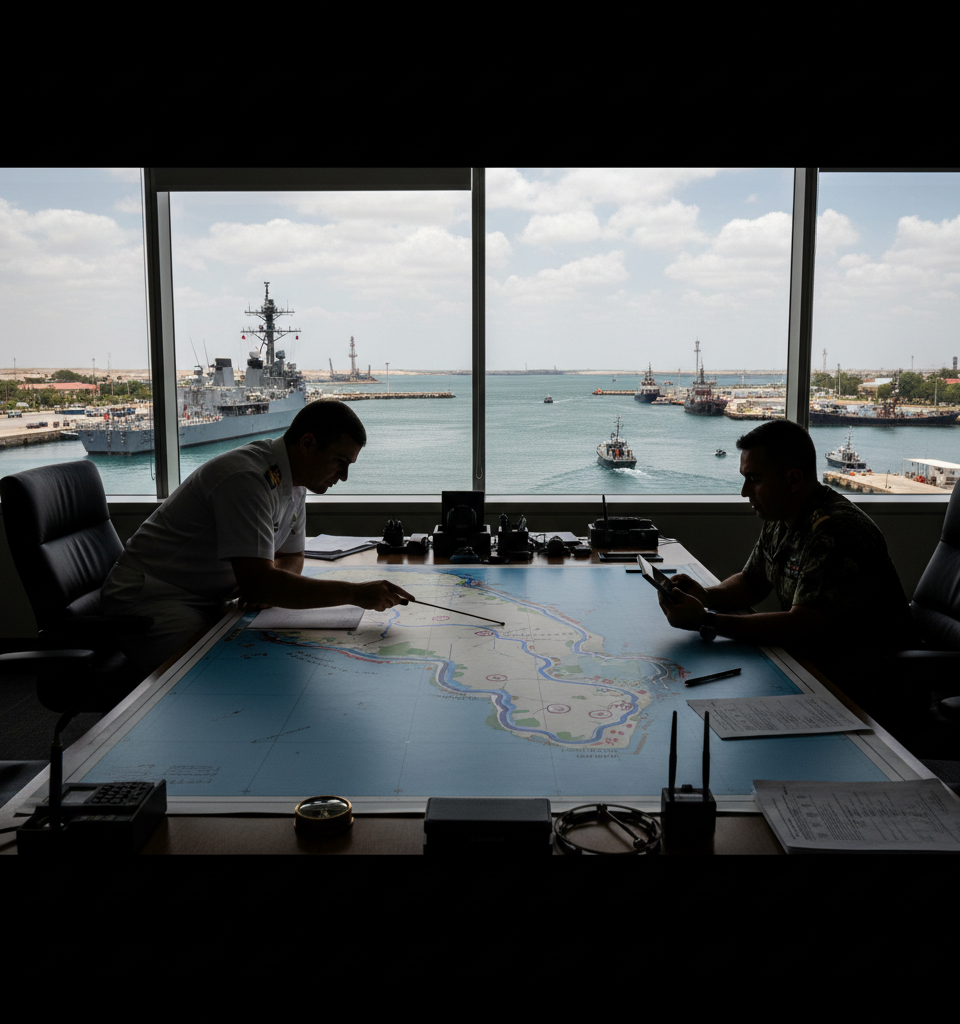
The proposed joint management of a shipping route and a mine clearing operation in the Strait of Hormuz offers a tangible opportunity to de-escalate regional maritime tensions and safeguard global energy transit. This collaboration could enhance predictability for international shipping, reducing risk premiums and insurance costs for vessels navigating this choke point.
On Tuesday, officials from Iran and Oman engaged in discussions concerning a significant proposal: the creation of a jointly managed shipping route through the Strait of Hormuz. These talks also encompassed plans for a cooperative mine clearing mission within the same critical waterway, highlighting a potential area of bilateral security and economic collaboration between the two nations.
Context and Strategic Importance
The Strait of Hormuz is a narrow, 39-kilometer-wide maritime passage situated between the Persian Gulf and the Gulf of Oman. It is arguably the world's most important oil transit chokepoint, through which approximately one-fifth of global oil consumption, along with a significant portion of liquefied natural gas (LNG), passes daily. Its strategic importance makes any initiative impacting its safety and navigability of profound international consequence. The strait has frequently been a flashpoint for regional tensions, with past incidents involving attacks on tankers and military confrontations underscoring the precariousness of its security environment.
Key Details of the Proposal
The discussions between Tehran and Muscat focused on establishing a shared framework for maritime passage. While specific operational details of the proposed joint shipping route were not immediately disclosed, the concept suggests a coordinated approach to regulating traffic and ensuring safe passage through the strait. The inclusion of a joint mine clearing mission signals a proactive effort to address potential threats to navigation and enhance security protocols. This collaborative effort could involve sharing intelligence, resources, and technical expertise to identify and neutralize naval mines, which pose a significant risk to commercial shipping.
Implications for Regional Stability and Commerce
Should this proposal come to fruition, it could herald a new era of maritime cooperation in a region historically marked by geopolitical friction. For the international shipping industry, a jointly managed, secure route, backed by a robust mine clearing operation, would offer increased assurances of safety and potentially reduce the need for costly security escorts or higher insurance premiums. This stability could benefit global supply chains, particularly those reliant on energy shipments originating from the Gulf states. The initiative also reflects a potential diplomatic thaw or at least a practical engagement between Iran and a key regional neighbor on a matter of shared interest.
What's Next
The discussions held on Tuesday represent an initial step in what could be a complex and protracted negotiation process. Future engagements will likely focus on hammering out the technical and legal frameworks for both the joint shipping route and the mine clearing mission. The success of this initiative will depend on continued diplomatic engagement, mutual trust, and the ability of both nations to agree on operational specifics and oversight mechanisms. The international community, particularly major energy consumers and shipping companies, will be closely monitoring these developments, given the global implications for energy security and maritime trade.