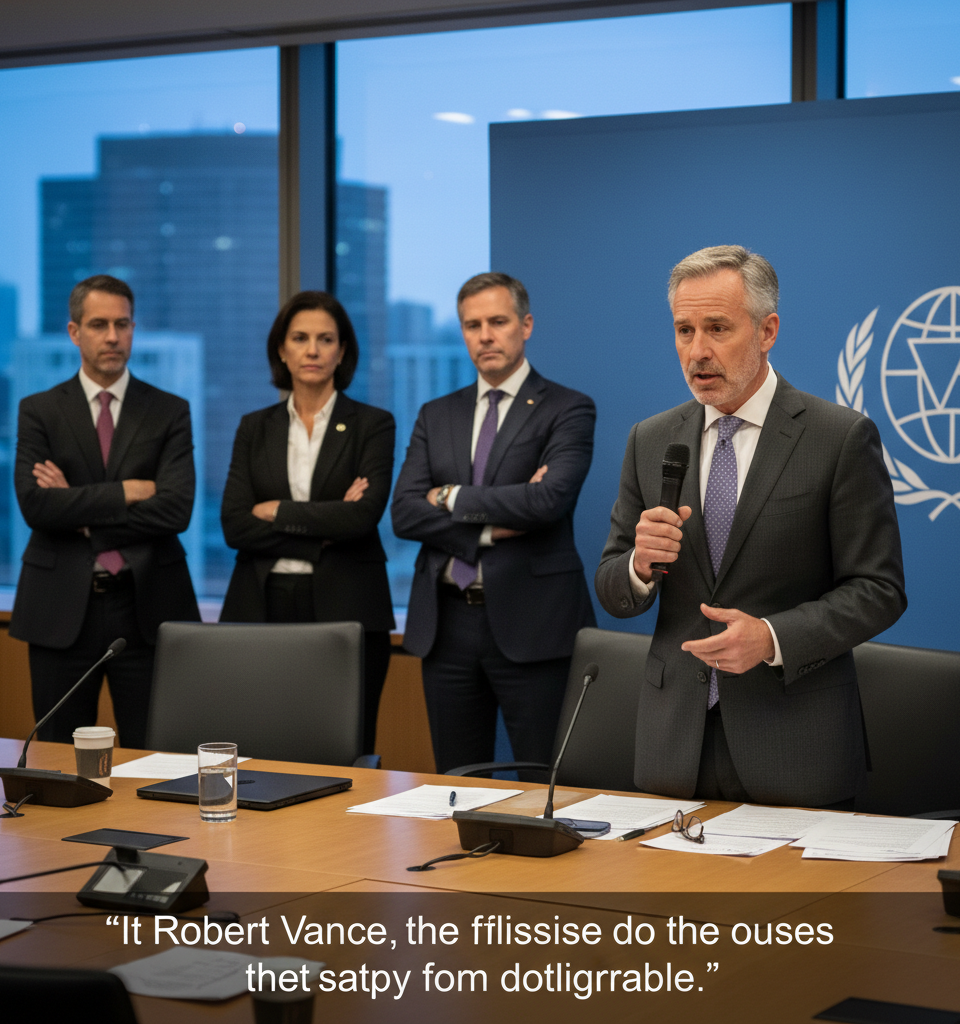
Islamabad, Pakistan – Intensive diplomatic efforts aimed at resolving critical issues between the United States and Iran have reached an impasse, Vice President Vance declared today. Following a marathon 21 hours of negotiations held in Pakistan's capital, Vance confirmed that Iran ultimately chose "not to accept our terms," signaling a significant setback in ongoing international relations. The announcement came after a highly anticipated series of discussions, with both nations under considerable global scrutiny regarding the potential for a breakthrough.
The talks, which commenced yesterday and extended through the night, were characterized by heightened tension and a sense of urgency. Diplomats and observers had hoped for a de-escalation of tensions and perhaps even a preliminary framework for future cooperation or conflict resolution. However, the American delegation, led by Vice President Vance, appears to have found no common ground on the core conditions presented during the exhaustive sessions. This latest development underscores the deep-seated disagreements that continue to plague bilateral relations between Washington and Tehran, amplifying uncertainty across the geopolitical landscape.
The Breakdown in Islamabad
The 21-hour negotiation period, held behind closed doors in a secure location in Islamabad, was reportedly grueling. While specific details of the proposed "terms" remain undisclosed, it is widely understood that they pertained to a range of critical issues, likely including nuclear proliferation concerns, regional security, economic sanctions, and possibly the status of certain proxy conflicts. The terse statement from Vice President Vance offered no further elaboration on the Iranian delegation's specific points of contention or the exact nature of the terms rejected. This lack of detail leaves analysts to speculate on the precise hurdles that prevented an agreement, though the implications for future diplomatic engagement are clear.
International relations experts suggest that such protracted negotiations often indicate a genuine attempt by both sides to find common ground. The fact that talks extended for such a significant duration, only to end without resolution, highlights the profound chasm that persists between the two nations' strategic objectives and acceptable concessions. This outcome will undoubtedly resonate through the halls of diplomacy worldwide, raising questions about the viability of future high-level engagements without a fundamental shift in approach from either party.
Global Repercussions and Market Impact
The immediate aftermath of Vance's announcement is expected to ripple across global markets. Geopolitical stability is often directly tied to oil prices, and the failure of these talks could lead to increased volatility in energy sectors. Investors will likely react with caution, especially those with stakes in the Middle East or sectors sensitive to regional tensions, such as shipping and insurance. Defence industries may, conversely, see a boost in demand given the perceived increase in global insecurity. Analysts are already bracing for potential shifts in currency valuations as market participants digest the implications of continued U.S.-Iran friction.
Beyond immediate market movements, the diplomatic failure could also impact broader international trade agreements and regional alliances. Nations that have been attempting to mediate or encourage reconciliation between the U.S. and Iran may now reassess their strategies. The absence of a clear path forward risks exacerbating existing regional proxy conflicts and could potentially lead to a more entrenched stance from both Washington and Tehran, making future breakthroughs even more challenging. The global supply chain, already fragile from various disruptions, could face further strain if tensions escalate.
What Lies Ahead for U.S.-Iran Relations
The immediate future of U.S.-Iran relations appears to be one of sustained tension and likely limited direct engagement. With the failure of these high-stakes talks, both nations must now consider their next steps. For the United States, this could involve a re-evaluation of its diplomatic strategy, potentially increasing economic pressure or seeking to bolster regional alliances as a counterweight. For Iran, the rejection of terms could signify a strengthened resolve in its current posture, potentially leading to a more assertive stance on its nuclear program or regional activities.
Experts anticipate a period of strategic recalibration on both sides. The international community will be closely watching for any signs of unilateral action or further escalation. The fundamental question now is whether this impasse will lead to a prolonged period of stalemate, or if other diplomatic channels or third-party mediation efforts might emerge in the coming months. The outcome in Islamabad serves as a stark reminder of the complexities and deeply entrenched issues that define one of the world's most critical geopolitical rivalries, with no immediate resolution in sight.