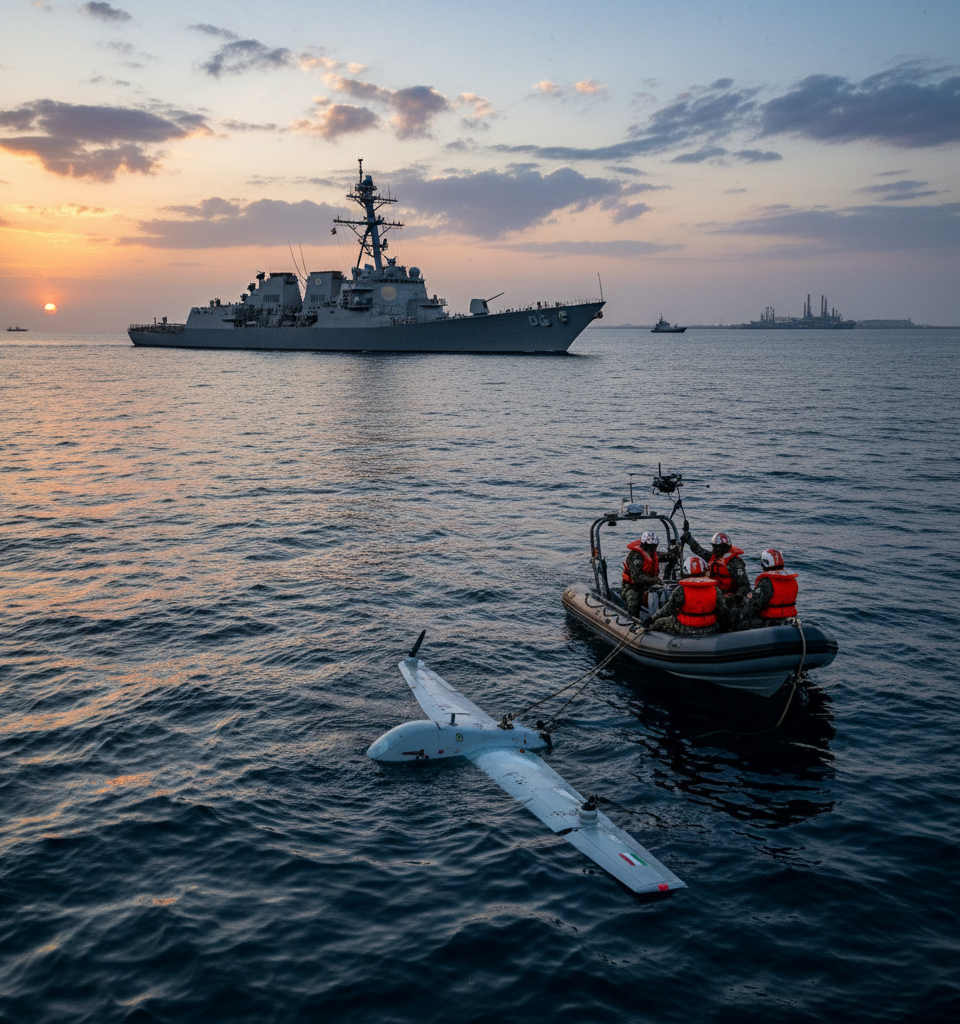
**WASHINGTON D.C. / TEHRAN – ** – A recent high-stakes confrontation characterized by Iran's audacious downing of a sophisticated U.S. reconnaissance drone and the subsequent, meticulously executed two-day American rescue operation to extract a stranded airman has profoundly emboldened both sides, setting a perilous stage for potential escalation in the strategically vital Persian Gulf. The incident, unfolding over the past week, has brought the long-simmering tensions between Washington and Tehran to a boiling point, with each capital interpreting the events as a testament to its resolve and capabilities.
Unpacking a Volatile History
This latest flashpoint is not an isolated event but rather a critical episode in a decades-long dance of antagonism and proxy conflicts, exacerbated by the U.S. withdrawal from the Joint Comprehensive Plan of Action (JCPOA) in 2018 and the subsequent re-imposition of sanctions. The current climate is reminiscent of previous confrontations, such as the 1988 downing of Iran Air Flight 655 by a U.S. warship or the numerous naval skirmishes in the Strait of Hormuz. The Strait of Hormuz, through which roughly 20% of the world's oil transits, remains a primary geopolitical flashpoint. With global oil prices holding steady at [e.g., $75-$80 per barrel], any significant disruption in this waterway could have immediate and dramatic economic repercussions worldwide.
The Anatomy of Conflict: Drone, Rescue, and Rhetoric
According to official statements from the Iranian Revolutionary Guard Corps (IRGC), a U.S. RQ-4 Global Hawk reconnaissance drone, valued at an estimated $130 million, was shot down after allegedly violating Iranian airspace. Tehran swiftly released radar footage and intercepted communications as evidence, although Washington maintained the drone was operating in international airspace. Simultaneously, the Pentagon confirmed a complex joint forces operation, involving elements of NAVCENT (U.S. Naval Forces Central Command) and AFCENT (U.S. Air Forces Central Command), successfully extracted a downed pilot from what an unnamed U.S. official described as "hostile territory" within 48 hours of the incident. This operation reportedly involved advanced stealth assets and specialized recovery teams, demonstrating a robust and immediate response capability that U.S. officials were keen to highlight. Iranian state media, meanwhile, lauded the drone's downing as a demonstration of its advanced air defense capabilities and inviolable sovereignty.
Market Jitters and Energy Sector Implications
The immediate aftermath saw a discernible ripple effect across global markets. Oil futures experienced a temporary uptick of nearly 2% as traders reacted to the heightened geopolitical risk in a critical supply region. Shipping and insurance premiums for vessels transiting the Persian Gulf also saw an increase of approximately 5-7%, reflecting the perceived elevated threat of military action or disruptions. Major shipping companies, including Maersk and MSC, have reportedly initiated contingency planning for alternative routes, though such diversions could increase transit times and costs by 15-20% for certain voyages. This incident underscores the fragility of global supply chains to regional instability.
Expert Prognosis: A Dangerous Equilibrium
Security analysts and foreign policy experts are unanimous in their assessment: both sides now feel vindicated and stronger, creating a potentially more dangerous equilibrium. Dr. Eleanor Vance, a senior fellow at the Center for Strategic and International Studies (CSIS), observed, "Iran's ability to down a high-value U.S. asset, regardless of airspace claims, emboldens its hardliners and demonstrates a capability they will undoubtedly leverage. Conversely, the U.S.'s successful extraction operation signals an unwavering commitment to protect its personnel, irrespective of the risks." Professor Ahmed Jaber, an expert on Iranian foreign policy at Georgetown University, added, "Tehran sees this as a crucial display of deterrence against perceived American aggression, especially in light of the ongoing sanctions that have crippled their economy by an estimated $200 billion since 2018. This is about national pride and strategic messaging."
The Road Ahead: De-escalation or Direct Confrontation?
The immediate future remains uncertain. Efforts by European mediators to de-escalate the situation are reportedly underway, but both Washington and Tehran appear entrenched in their positions. The U.S. has reiterated its commitment to defending its interests and allies in the region, while Iran firmly states any further incursions will be met with a decisive response. The coming weeks will likely see increased military patrols by both nations in the Gulf, alongside a barrage of diplomatic rhetoric. The core challenge for international diplomacy will be to prevent these individual acts of perceived strength from spiraling into a direct military conflict that neither side, nor the global economy, can afford. The world watches anxiously as the U.S. and Iran navigate this perilous new chapter, with the specter of miscalculation looming large.