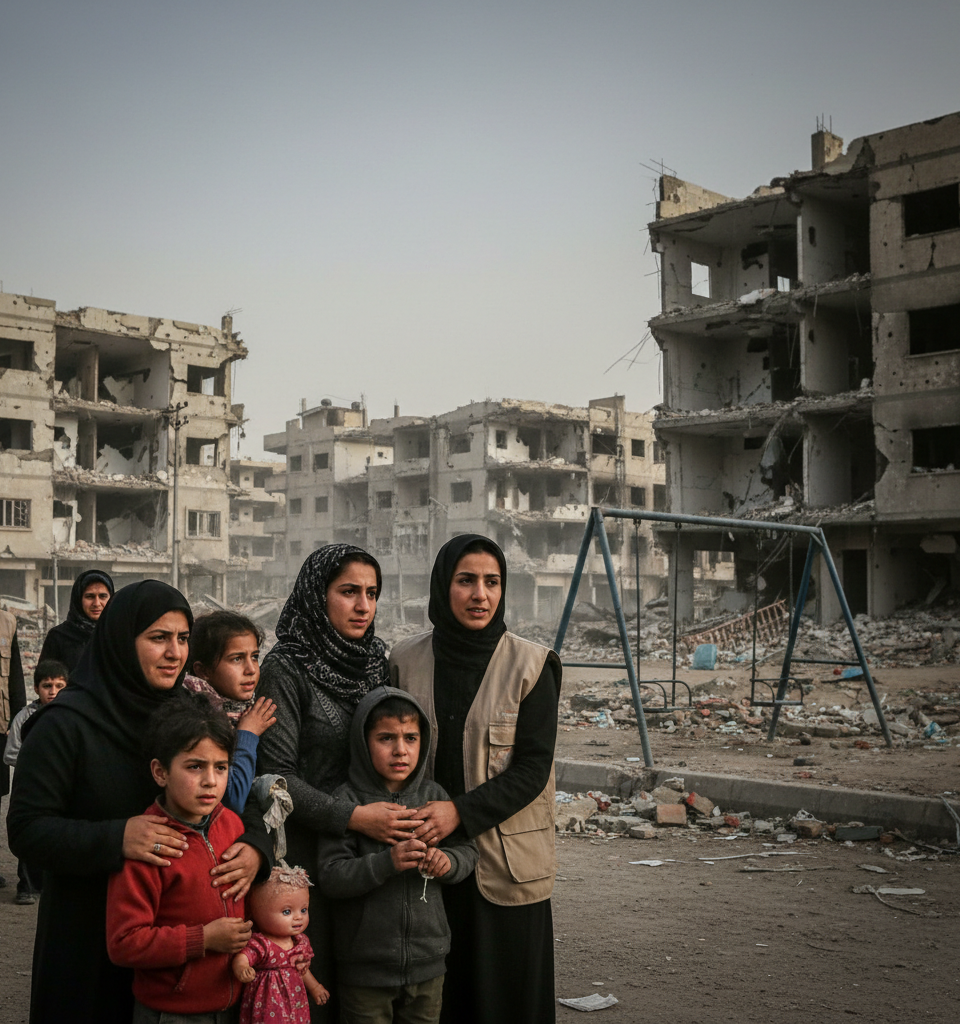
TEHRAN, IRAN – Even as international attention occasionally shifts from the immediate hostilities, a silent and profound crisis is unfolding within Iran: the pervasive and potentially irreversible psychological damage inflicted upon its children. New testimonies obtained by the BBC from parents and aid workers paint a harrowing picture of a generation grappling with "endless fears," suggesting that the cessation of physical conflict will be merely the beginning of a prolonged battle for the mental well-being of Iran's youth. This emergent reality underscores a critical humanitarian challenge, demanding urgent recognition and comprehensive intervention.
The Deep Scars of Ongoing Instability
The enduring impact on children transcends immediate physical casualties, delving into the deep-seated psychological trauma that shapes futures. Iran, a nation frequently at the nexus of geopolitical tensions and internal struggles, has seen its youngest citizens grow up amidst a backdrop of uncertainty, economic hardship, and often, direct exposure to conflict and its repercussions. This persistent instability fosters an environment where childhood innocence is eroded, replaced by anxiety, fear, and a pervasive sense of insecurity. The long-term societal implications of a generation raised in such conditions are staggering, threatening to undermine future stability and development.
Testimonies of Distress: A Generation's Silent Cry
The BBC's findings are based on a series of candid and deeply moving accounts from within Iran. Parents describe children exhibiting symptoms ranging from chronic nightmares and extreme social withdrawal to aggression and an inability to concentrate. One mother, speaking anonymously for fear of reprisal, recounted her seven-year-old son's constant inquiries about the next potential conflict, revealing a childhood defined by hyper-vigilance. Aid workers, operating often in challenging circumstances, corroborate these observations, noting a significant increase in stress-related disorders and a desperate shortage of specialized psychological support services tailored for children in conflict zones. These anecdotal accounts, while not statistical, offer a powerful qualitative insight into a widespread issue.
Broad Societal and Economic Repercussions
The ripple effects of this profound child trauma extend far beyond individual families. A generation suffering from chronic stress, anxiety, and PTSD faces significant hurdles in educational attainment, social integration, and ultimately, economic productivity. The potential for a decline in human capital development, coupled with increased healthcare burdens for mental health services, poses a substantial threat to Iran's long-term economic recovery and societal fabric. International sanctions, while not directly causing the trauma, exacerbate the problem by limiting access to essential resources, including medical supplies and psychological therapies, thus hindering effective intervention strategies.
Expert Calls for Holistic Intervention
Child psychology experts and humanitarian aid organizations are sounding the alarm, emphasizing that traditional humanitarian responses often overlook the psychological dimension of conflict. Dr. Leila Rahmanian, a Middle East-focused child psychologist with Médecins Sans Frontières, states, "The 'invisible wounds' are often the most difficult to heal and require a holistic, sustained approach involving education, community support, and specialized therapeutic interventions." She advocates for substantial investments in psychosocial support programs, teacher training on trauma-informed care, and the establishment of safe spaces where children can process their experiences through play and expressive arts.
A Perilous Path Forward: The Need for Sustained Support
The path ahead for Iran's children is fraught with challenges. Even with a theoretical end to conflict, the psychological recovery will be a generational undertaking. International bodies and NGOs are urged to prioritize long-term mental health initiatives, moving beyond emergency aid to focus on sustainable community-based programs. Without focused and substantial investment in child psychological well-being, coupled with a de-escalation of regional tensions, Iran risks raising a generation profoundly scarred, with potential repercussions for regional stability for decades to come. The future hinges not just on ending violence, but on healing the hearts and minds of its youngest citizens.