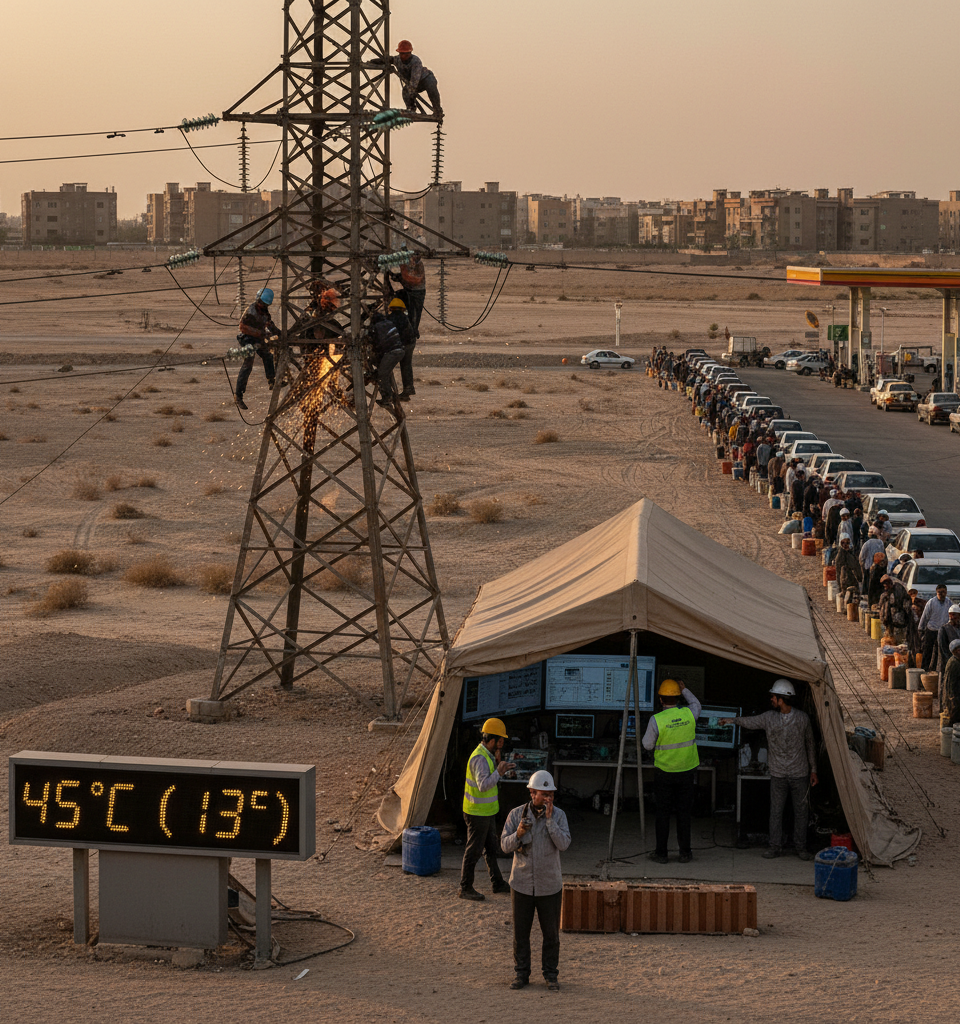
Tehran, Iran – Iran is confronting a critical escalation of its long-standing energy crisis, marked by the widespread implementation of emergency conservation measures as domestic oil stockpiles reach dangerously low levels. The deepening predicament, unfolding just weeks before the onset of the punishing summer heat, poses significant challenges to the nation's grid stability, industrial output, and daily life, highlighting systemic vulnerabilities in its energy infrastructure and production capabilities.
Context and Background
This current crunch is not an isolated incident but rather the latest manifestation of chronic energy sector underinvestment, exacerbated by decades of international sanctions that have crippled the country's ability to upgrade and maintain its oil and gas facilities. Despite possessing the world's second-largest natural gas reserves and fourth-largest crude oil reserves, Iran struggles to meet its own domestic energy demands. Previous crises have often revolved around gas shortages in winter; however, the current focus on oil stock depletion signals a broader, more pervasive problem, particularly as electricity generation—heavily reliant on thermal power plants fueled by oil and gas—braces for peak summer air conditioning loads. The government's messaging often attributes outages to increased consumption or 'management issues' rather than fundamental supply shortfalls.
Key Details and Specifics
Reports from multiple Iranian media outlets and energy sector sources indicate that several provinces have already begun imposing rolling blackouts and rationing of fuel to industrial complexes. State-affiliated news agency IRNA recently reported a 15% drop in national oil product inventories compared to the same period last year. Unnamed officials quoted in the Tehran Times suggested that emergency fuel shipments, originally earmarked for strategic reserves, are being diverted to operational power plants.
Furthermore, significant cuts have been observed in fuel allocations for non-essential government vehicles, and proposals are being floated to shorten working hours for public sector employees to reduce electricity consumption, mirroring actions taken in previous years. The National Iranian Oil Company (NIOC) has remained largely silent on the precise figures of current stockpiles, citing national security concerns, but the visible impact on daily life underscores the severity.
Industry and Market Impact
The immediate impact on Iran's economy is multi-faceted. Industries, particularly energy-intensive sectors like steel, petrochemicals, and cement, face production disruptions due to unreliable power and fuel supplies. This directly translates to reduced output, delayed deliveries, and increased operational costs, further straining an economy already battling high inflation, which stood at approximately 40.2% in March. Should the crisis deepen, it could impact Iran's capacity to maintain its limited crude oil exports, which currently hover around 1.3 million barrels per day, jeopardizing a crucial source of foreign currency. Domestically, the energy uncertainty creates a challenging investment climate and discourages long-term planning for businesses reliant on stable power.
Expert Perspective
"The current situation reflects a systematic failure to balance domestic consumption with production capabilities and infrastructure development," stated Dr. Mehrdad Emadi, an energy economist specializing in Iran. "Decades of underinvestment, exacerbated by the prohibitive costs of technology and expertise due to sanctions, mean that Iran's energy grid is stretched beyond its capacity, especially given population growth and increased demand. The reliance on domestic oil for power generation, despite vast gas reserves, points to inefficiencies in gas gathering and processing, as well as an aging transmission infrastructure." He added that without significant international investment and technological transfer, such crises will become an annual fixture.
What's Next: Future Implications
The coming weeks will be critical as temperatures rise, pushing electricity demand to unprecedented levels. The government is expected to intensify public conservation campaigns and may resort to more severe rationing measures, potentially impacting residential areas. There are growing calls within the Majlis (Iranian Parliament) for greater transparency regarding energy production and consumption data. Longer-term, the crisis underscores the urgent need for Iran to diversify its energy mix, invest heavily in renewable energy sources, and modernize its aging power grid. However, given the continued geopolitical isolation and economic constraints, significant structural reforms appear challenging in the immediate future, predicting a likely repeat of such crises in the years to come if fundamental issues are not addressed.
Potential for Social Unrest
The history of energy shortages in Iran has, at times, led to public discontent and localized protests, particularly when basic services are disrupted. Past power outages during summer have sparked demonstrations in several cities. Should the current energy crisis translate into widespread and prolonged disruptions to electricity and fuel supply, there is a tangible risk of social unrest, adding another layer of complexity to the government's challenges. The administration's ability to manage public expectations and maintain essential services will be crucial in preventing such outcomes. The ongoing national dialogue around water scarcity, another critical resource, will also likely intersect with energy debates, potentially amplifying public frustrations in the months ahead.