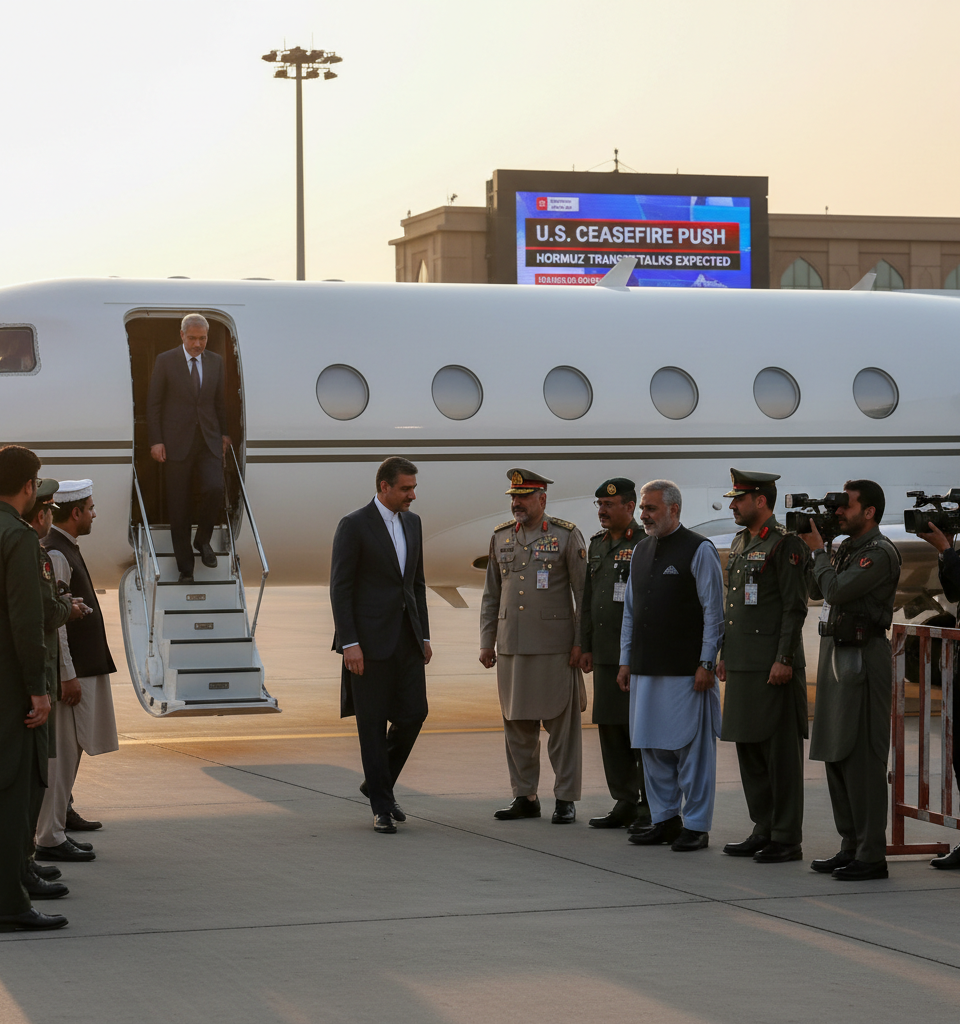
Iranian Deputy Foreign Minister Abbas Araghchi unexpectedly returned to Islamabad this past weekend, reversing an earlier departure that had cast uncertainty over Pakistan's ongoing diplomatic efforts to de-escalate tensions between Washington and Tehran. His return, preceding a scheduled visit to Moscow, highlights the critical geopolitical tightrope Pakistan is walking as it endeavors to facilitate dialogue amidst heightened regional instability, while Iran simultaneously seeks to strengthen its strategic maritime influence. The swift turnaround in Araghchi's travel plans underscores the delicate and often unpredictable nature of regional diplomacy.
S. and Iran. S. and Iran to the brink of direct conflict. The stakes are immense, ranging from global oil prices to regional stability and the potential for a wider conflagration. Sources within the Pakistani Foreign Office, speaking on condition of anonymity, indicated that Araghchi's initial departure on Saturday evening was premature, with the Iranian delegation reportedly awaiting further clarity on the agenda for potential second-round discussions.
His prompt return suggests that substantive progress or a new proposal from Islamabad necessitated his continued presence. -Iran détente. Oman, known for its neutral stance, holds significant sway over the choke point through which approximately 21% of global petroleum liquids transits daily. -Iran standoff. For the global energy market, any stabilization of the Strait of Hormuz through bilateral or multilateral agreements could provide much-needed reassurance, potentially mitigating volatility in oil futures.
Furthermore, a successful de-escalation by Pakistan would not only elevate its regional standing but also bolster its arguments for a more prominent role in international security. Conversely, a failure could exacerbate existing tensions, impacting trade routes and investment across the Middle East and South Asia.
Expert Perspectives on Diplomacy and Regional Impact
Regional security analysts are closely watching these developments. Dr. Aisha Sarfraz, a geopolitical expert based in Islamabad, noted, "Pakistan's role as a mediator is crucial but fraught with challenges. The U.S. and Iran have deep-seated grievances, and any successful mediation requires trust and sustained communication. Araghchi’s return indicates a willingness to engage, but the specifics of what's being discussed remain opaque." She added, "Iran's focus on cementing the Hormuz transit agreement with Oman is a strategic play, aiming to secure revenue and underline its sovereignty over the crucial waterway, regardless of the broader U.S. negotiations." The economic ramifications of these transit agreements are substantial, estimated to be in the hundreds of millions, if not billions, of dollars annually in potential revenue for Iran, depending on the agreed-upon terms with Oman.
The Road Ahead: Navigating Complex Geopolitical Tensions
Looking ahead, the immediate focus will be on the outcomes of Araghchi's discussions in both Islamabad and Moscow. While Pakistan aims to facilitate a direct or indirect communication channel between Washington and Tehran, Iran's parallel talks with Oman could establish a critical precedent for maritime security and trade in the Gulf. The success of these diplomatic overtures will largely hinge on the willingness of all parties to compromise and find common ground. The international community will be keenly observing for any signs of progress that could lead to a lasting reduction in regional tensions and ensure the unimpeded flow of global energy resources through the volatile Strait of Hormuz. The coming weeks are expected to be critical. Further meetings between Iranian and Pakistani officials are anticipated to iron out the finer details of any proposed roadmap for de-escalation. Concurrently, progress on the Strait of Hormuz talks with Oman could see Tehran securing significant economic advantages, potentially strengthening its bargaining position in any future discussions with Western powers. The multi-dimensional diplomatic chess game continues, with regional and global stability hanging in the balance.