The current geopolitical tension, exacerbated by shifting military tactics and resource constraints, directly impacts global supply chains, defense budgets, and the calculus for international energy markets. Businesses with exposure to the Middle East, particularly those in logistics, infrastructure, or technology, face heightened operational risks and potential disruptions to trade routes and raw material sourcing, demanding immediate re-evaluation of contingency plans.
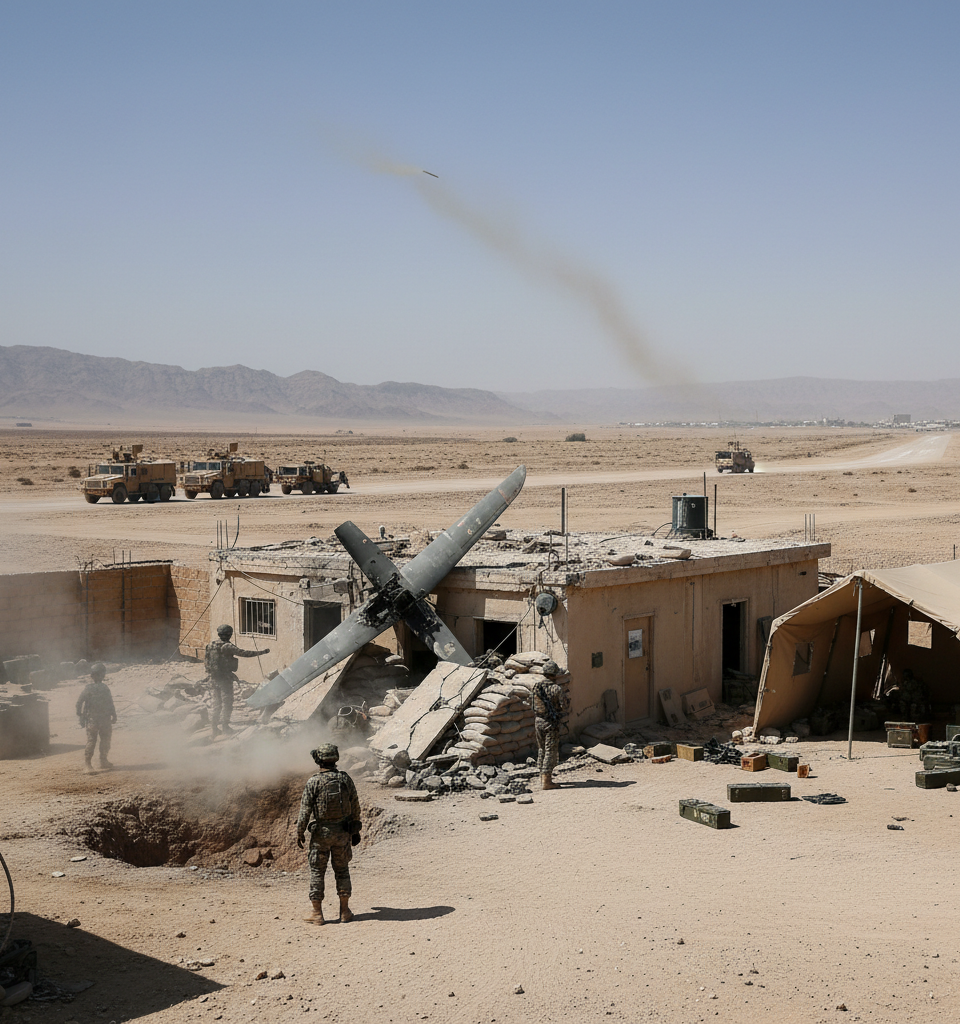
Recent Iranian-backed attacks, most notably those in Jordan resulting in the deaths of three U.S. soldiers, have underscored a significant and concerning evolution in Iran’s military capabilities. These incidents are emerging against a backdrop where the Pentagon is reportedly grappling with a diminishing supply of crucial interceptor munitions, creating a complex challenge for U.S. defensive strategies in the region.
Context and Strategic Implications
This development is not an isolated incident but rather a progression of Iran's long-term strategy to project power and influence across the Middle East. The reported shift in tactics, particularly the precision and lethality observed in recent strikes, suggests an adaptation designed to exploit perceived vulnerabilities in adversary defenses. For the United States, a dwindling inventory of interceptor munitions — essential for countering missile and drone threats — presents a critical dilemma. The ability to effectively deter or neutralize these evolving threats is directly linked to the availability of these high-demand assets, which have been heavily utilized in various global flashpoints.
Key Operational Details
The attacks in Jordan serve as a stark illustration of Iran's increasingly sophisticated approach. While specific details of the ordnance used are often classified, the effectiveness of the strikes indicates a potential improvement in Iranian drone and missile technology, or a more strategic deployment of existing capabilities. The U.S. military’s defensive posture relies heavily on interceptor systems designed to neutralize incoming threats. The reported strain on the supply of these munitions suggests that current production rates may not be keeping pace with expenditure rates, particularly given sustained operational demands in multiple theaters. This imbalance could force difficult decisions regarding resource allocation and threat prioritization.
Impact on Regional Dynamics and Global Security
The perceived weakening of U.S. defensive capacity due to munitions shortages could embolden regional actors and further destabilize an already volatile Middle East. Allies and adversaries alike are likely observing these developments closely, potentially influencing their own strategic calculations. For the global business community, increased instability in this critical region directly translates to higher energy prices, disruptions to shipping lanes, and elevated insurance premiums. Long-term defense contractors and manufacturers are facing increased pressure to ramp up production of specialized munitions, indicating potential growth in that sector, but also highlighting the extensive lead times required for complex defense systems.
Expert Perspectives
Defense analysts are widely expressing concern over the dual challenge presented by Iran's evolving capabilities and the U.S. munitions deficit. Many highlight that this situation requires not only an immediate increase in defense production but also a re-evaluation of deterrence strategies. Some experts suggest that the U.S. may need to explore alternative, more cost-effective defensive measures or enhance diplomatic efforts to de-escalate tensions, rather than solely relying on attrition-based defense, which is heavily reliant on costly interceptors. The long-term implications for U.S. military posture and alliances are viewed as significant.
What Comes Next
The Pentagon is expected to intensify its efforts to address the interceptor munitions shortfall, likely involving increased funding for defense manufacturers and potentially fast-tracking production processes. Simultaneously, the U.S. will need to assess its diplomatic and military responses to Iran’s evolving threat, potentially involving a combination of enhanced defensive measures, targeted sanctions, and careful strategic signaling. The situation in the Middle East is poised for continued scrutiny, with the interplay between military capabilities and resource availability shaping future regional security dynamics and, by extension, global economic stability. International observers will be closely watching for shifts in U.S. defense procurement policies and Iran's subsequent actions in the coming months.