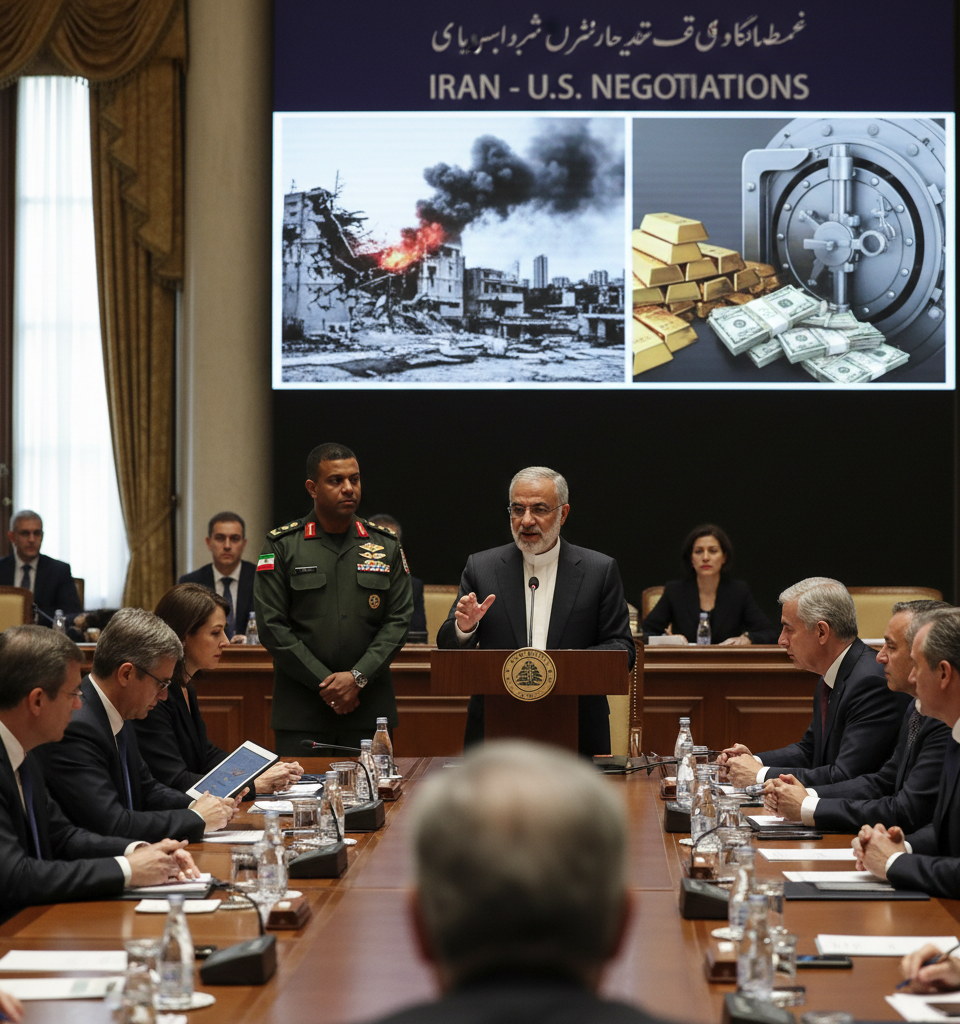
TEHRAN – High-level diplomatic engagement between Iran and the United States hinges on two primary preconditions: a cessation of hostilities in Lebanon and the comprehensive release of frozen Iranian assets, according to statements from Iran's speaker. This firm stance complicates any immediate prospects for dialogue, particularly as international concerns mount over Iran's actions in the Strait of Hormuz.
The speaker's declaration underscores Iran's consistent position that broader geopolitical stability and economic restitution are prerequisites for direct talks with Washington. This assertion comes at a time when the strategic waterway connecting the Persian Gulf to the open sea remains a focal point of international tension. The Strait of Hormuz, through which a significant portion of the world's oil supply transits, has been subject to persistent disruptions attributed to Iranian activities, prompting strong reactions from global powers, including the United States.
Geopolitical Stakes and Economic Sanctions
The linking of US-Iran negotiations to a Lebanon ceasefire highlights the interconnectedness of regional conflicts in Iranian foreign policy. Iran views its influence in Lebanon, largely through Hezbollah, as a critical component of its regional security architecture. Therefore, any de-escalation or resolution in the Levant is intrinsically tied to Iran's broader diplomatic calculus with Western powers. The demand for asset release is equally critical; Iran has long railed against international sanctions that have frozen billions of dollars in its foreign accounts, arguing that these funds are essential for its national development and economic stability, particularly in the face of ongoing economic pressures.
Former President Trump, a prominent figure in American politics, has voiced considerable frustration regarding Iran's sustained efforts to impede shipping traffic through the Strait of Hormuz. His recent remarks reflect a sentiment widely shared among international maritime security stakeholders. The Strait of Hormuz is recognized globally as the world's most important oil route, making any disruption a significant threat to global energy markets and international trade. The persistent interference, spanning several years, has necessitated increased naval presence from various nations to safeguard commercial vessels.
Impact on Global Shipping and Energy Markets
Iran's continued assertiveness in the Strait of Hormuz has created an environment of unpredictability for global shippers and oil producers. While direct attacks on tankers have fluctuated, the consistent threat of interdiction, coupled with the seizure of certain vessels, has led to elevated insurance premiums and operational complexities for companies navigating the route. This directly translates to increased costs for consumers and potential volatility in oil prices, impacting economies worldwide. The strategic choke point's vulnerability to geopolitical tensions remains a top concern for governments and international organizations alike.
The international community remains divided on the most effective approach to de-escalate tensions and ensure freedom of navigation in the Strait. Some nations advocate for robust military deterrence, while others emphasize the need for diplomatic solutions that address Iran's stated grievances and security concerns. The Iranian speaker's current demands, particularly linking talks to regional ceasefires and asset releases, present a complex diplomatic challenge. They suggest that Iran views these issues not as separate points of contention, but as integral components of a comprehensive resolution that must be addressed concurrently.
Path Forward: Diplomatic Stalemate or Breakthrough?
Looking ahead, the immediate prospects for direct US-Iran negotiations appear constrained by these stringent preconditions. The Iranian leadership's position suggests a long-term strategy that prioritizes regional influence and economic leverage over immediate engagement with Washington. For any talks to commence, significant movement would be required on both the Lebanon front and the unfreezing of assets, neither of which appears imminent given the current geopolitical landscape. The ball, it seems, is firmly in the court of various international actors to facilitate the conditions Iran deems necessary for dialogue.
The sustained pressure in the Strait of Hormuz, meanwhile, is expected to continue drawing international attention and potential responses. The frustration expressed by political figures like former President Trump underscores the global economic and security implications of Iran's actions in the critical maritime artery. Resolving this multifaceted crisis will require intricate diplomacy, balancing regional security concerns with the imperative of safeguarding global commerce.