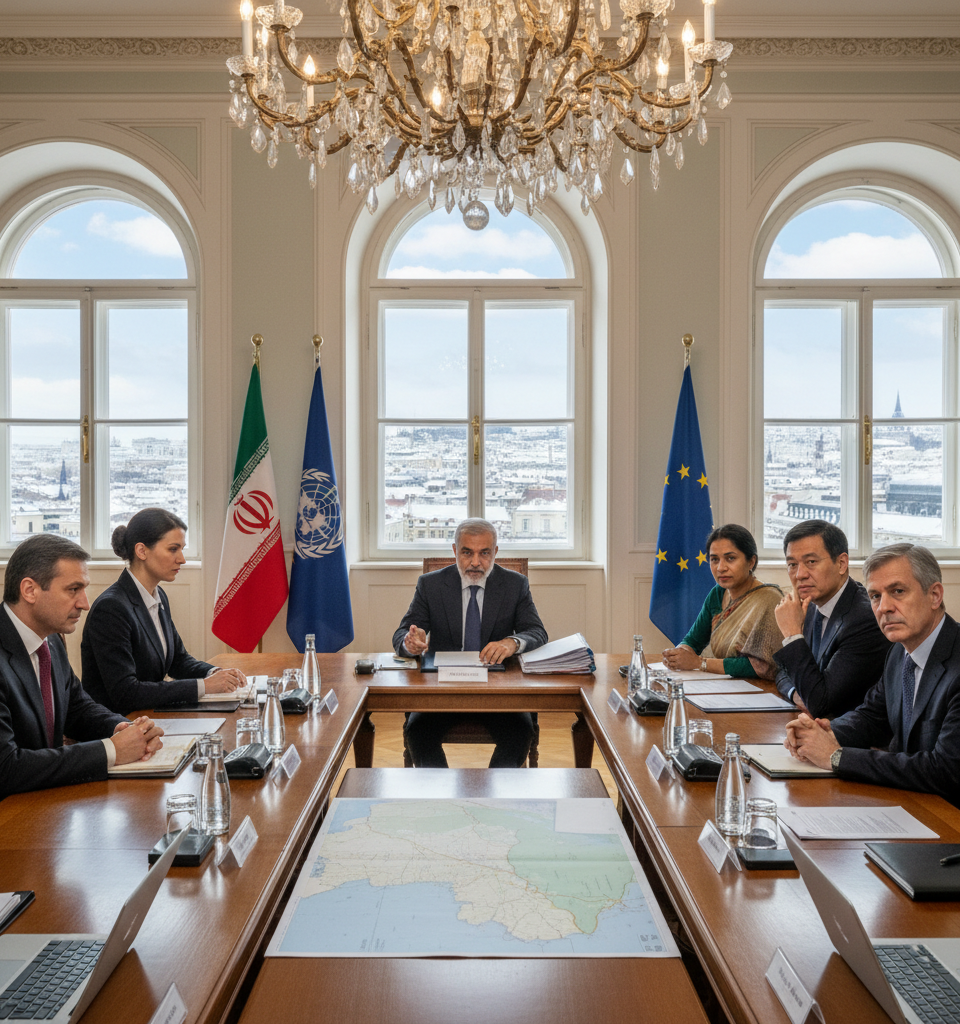
TEHRAN, IRAN – Amidst swirling geopolitical currents that have seen significant policy shifts from Western powers, particularly under the previous Trump administration, Iran has maintained a strikingly consistent and firm set of demands. This unwavering posture, observed throughout periods of heightened tension and proxy conflicts, now casts a critical spotlight on the potential for genuine compromise should peace negotiations materialize. The central question for international diplomacy is whether Tehran's steadfastness in confrontation will yield to the necessary flexibility required for a sustainable resolution when talks eventually commence.
Throughout recent years, despite fluctuating pressures from Washington, D.C., including unilateral sanctions and military posturing, Iran has repeatedly articulated non-negotiable red lines concerning its nuclear program, regional influence, and the lifting of all sanctions. This contrasts sharply with the often-changing rhetoric and objectives emanating from the Trump White House during its tenure, which saw a dynamic and often unpredictable approach to foreign policy. The historical context of Iran's foreign policy, marked by a deep-seated distrust of Western powers following decades of intervention and the 1979 revolution, underscores the foundational principles guiding its current stance.
Key details of Iran’s consistent demands typically encompass several core areas. Foremost among them is the complete and verifiable lifting of all sanctions, not just those related to the nuclear program, but also those imposed on individuals and institutions under various pretexts, which Iran views as economic warfare. Furthermore, Tehran has consistently sought assurances against future unilateral withdrawals from international agreements, a direct response to the U.S. pullout from the Joint Comprehensive Plan of Action (JCPOA) in 2018. On the regional front, Iran has firmly rejected any external interference in its domestic affairs or its alliances in the Levant and beyond, viewing its regional presence as a matter of national security and legitimate defense against hostile actors like Israel and certain Gulf states.
For the broader global energy markets and regional stability, Iran's consistent position holds significant implications. A prolonged stalemate or failed peace talks could exacerbate existing tensions, particularly in the Persian Gulf, impacting oil prices and maritime trade routes. The oil market, heavily reliant on the Strait of Hormuz, remains vulnerable to any escalation. Major global powers, including China and European nations, have an vested interest in a peaceful resolution, given their energy needs and trade relations with the region. Sanctions on Iran have already led to volatile oil supplies and price surges at various points, demonstrating the tangible economic ripple effects of geopolitical instability.
Foreign policy experts and analysts are divided on whether Iran's consistency is a strategic strength or a potential impediment to peace. Dr. Hamid Reza Azizi, a visiting fellow at the German Institute for International and Security Affairs, notes, “Iran's consistency signals seriousness and internal consensus, but it also reflects a deep-seated suspicion that makes genuine give-and-take extremely difficult.” Others, like geopolitical strategist Sarah Khan, argue that “Tehran understands the power of a unified front, presenting a clear, albeit rigid, bargaining position, which could ultimately lead to a more durable agreement if concessions are reciprocated.” The challenge lies in bridging the gap between Iran’s stated demands and the minimum requirements for a global agreement acceptable to all parties.
Looking ahead, the trajectory of any future peace talks hinges critically on the ability of all parties to find common ground. The current Biden administration has expressed a willingness to return to the JCPOA, but insists on parallel negotiations for Iranian missile capabilities and regional behavior, demands Tehran has consistently rejected. The coming months will likely see intensified diplomatic efforts, possibly involving intermediaries, to explore the feasibility of direct or indirect talks. The consistency of Iran's demands suggests that any breakthrough would necessitate significant shifts in either the international community's approach or, less likely, Tehran's long-held principles. The global community watches intently, hoping that consistency in war does not preclude consistency in the pursuit of peace.