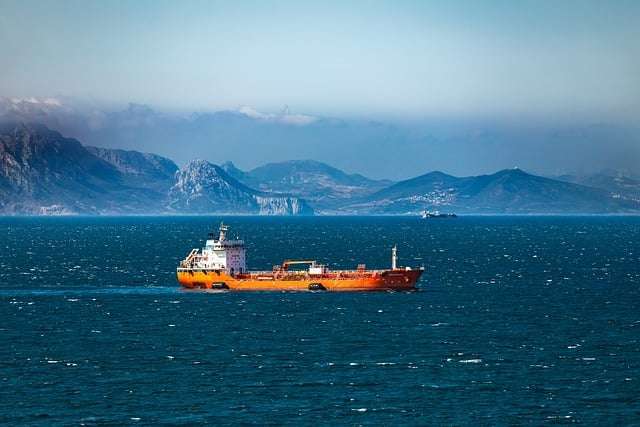
In a development poised to reshape maritime commerce, Iran has declared its intention to mandate "insurance fees" for all vessels navigating the Strait of Hormuz. A government agency stated that ships will be required to hold an insurance policy approved by Tehran to gain passage through the crucial waterway. This move signifies a potential shift in the operational parameters for one of the world's most strategically important maritime chokepoints.
The Strait of Hormuz is a narrow passage between the Persian Gulf and the Gulf of Oman, through which a significant portion of the world's seaborne oil — estimated at about one-fifth of global consumption — passes daily. Imposing an insurance requirement, essentially functioning as a fee, could provide Iran with a new revenue stream and, arguably, increased leverage over international shipping. This policy comes amid existing geopolitical tensions in the region, where freedom of navigation has long been a sensitive issue. Past incidents in the Strait, including naval confrontations and seizures of vessels, underscore the strategic value and volatility of the area.
The core of the new directive centers on the necessity for all transiting vessels to possess an insurance policy specifically sanctioned by the Iranian government. While the precise details of these policies, including premium structures and accredited insurers, have not yet been fully elaborated by the Iranian agency, the implication is clear: vessels without Tehran's stamp of approval on their insurance documentation will face restrictions or denial of passage. This requirement could introduce new administrative complexities and potentially significant costs for shipping companies operating in the region.
The immediate impact on the shipping industry and global energy markets could be substantial. Tanker operators and shipping lines that routinely use the Strait of Hormuz will need to adapt quickly to the new regulations, potentially factoring these new 'insurance fees' into their operational costs. This could, in turn, lead to increased freight charges, which may ultimately be passed on to consumers of oil and other goods transported through the strait. Energy analysts are closely watching how this development might affect global crude oil prices, given the Strait's critical role in oil exports from major producers in the Middle East.
While the government agency's announcement did not include specific figures for these "insurance fees" or a definitive implementation timeline beyond the general declaration, the principle itself marks a significant policy change. The move could be interpreted as Iran asserting greater control over a waterway it considers vital to its national interests, potentially drawing parallels to similar, albeit often disputed, claims of jurisdiction over international passages by other nations. The absence of further details leaves many questions open regarding the practical application and legal ramifications of such a policy.
Market reactions are anticipated, particularly among major oil importers and international shipping associations. The additional financial burden and potential delays caused by securing new insurance policies could prompt some operators to seek alternative, though often longer and more expensive, shipping routes, thereby increasing transit times and fuel consumption. This scenario, however, is unlikely to be a widespread solution given the Strait's unparalleled efficiency and strategic location for accessing the Persian Gulf's vast energy resources.
Looking ahead, international diplomatic responses are expected as governments and maritime organizations assess the legality and implications of Iran's proposed insurance requirement under international maritime law, specifically the United Nations Convention on the Law of the Sea (UNCLOS), which guarantees the right of innocent passage through international straits. The coming weeks and months will likely see intensive discussions among diplomatic channels and maritime bodies as stakeholders attempt to understand and navigate this novel regulatory landscape. The implementation of this policy could set a significant precedent for maritime governance in key global chokepoints.