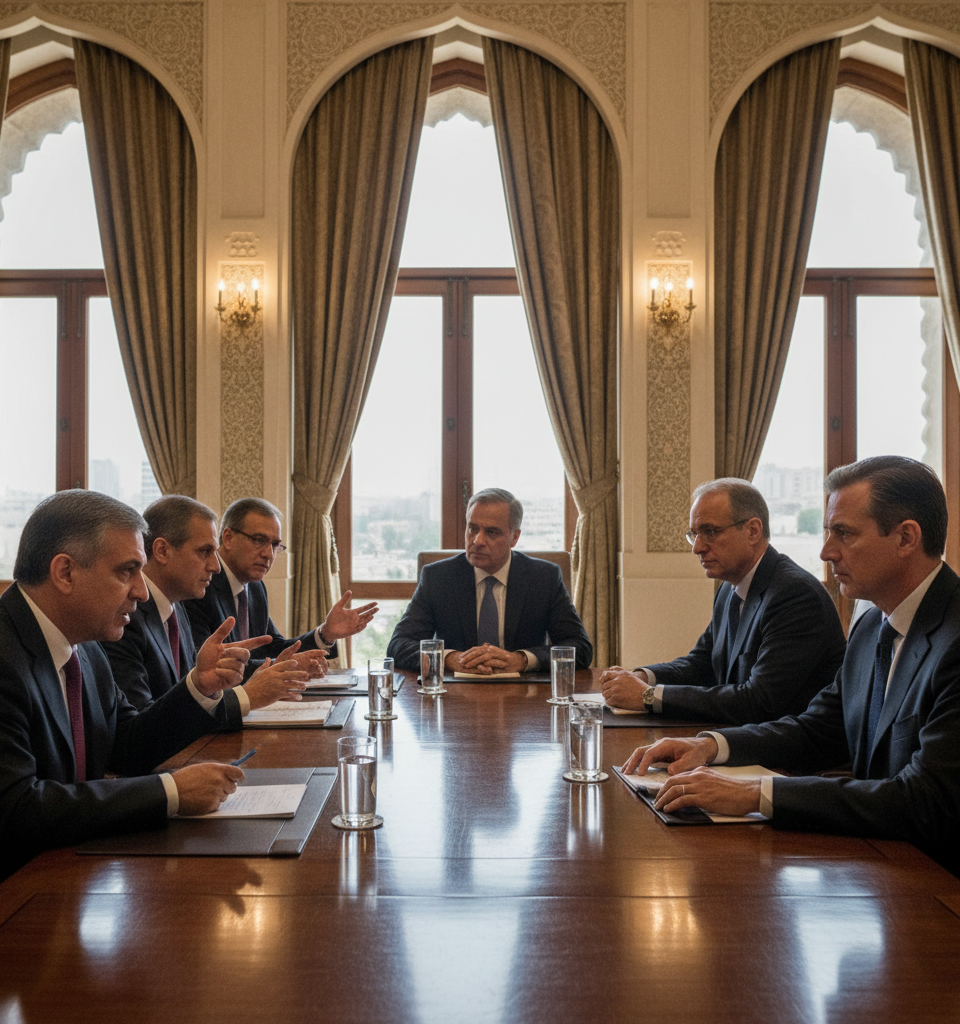
Islamabad, Pakistan – Diplomatic efforts between the United States and Iran, recently convened in Pakistan, have faltered amidst accusations from Tehran that Washington is attempting to dictate, rather than negotiate, the terms of a future peace. Sources close to the Iranian delegation indicate a growing frustration with what they perceive as American demands far exceeding the United States' actual achievements and sacrifices during recent military engagements. This fundamental disagreement is setting the stage for a potentially protracted period of instability in the region, with Iran signaling a steadfast refusal to concede ground it believes it has legitimately earned.
A History of Mistrust: Decades of Geopolitical Antagonism Fuel Current Stalemate
This latest impasse is deeply rooted in decades of mistrust and geopolitical antagonism between the two nations, exacerbated by recent military interventions and proxy conflicts across the Middle East. From the Iranian Revolution of 1979 to the present day, both sides have viewed each other with suspicion, shaping their respective foreign policies. The current talks, seemingly aimed at de-escalation, are instead highlighting the vast philosophical differences in how each nation views its regional influence and territorial gains. Iran, having weathered significant sanctions and military pressures, believes it has demonstrated its resolve and is unwilling to relinquish what it perceives as hard-won advantages.
Tehran's Calculated Gamble: Withstanding Bombardment vs. Sustaining Economic Chaos
Key details emerging from the Pakistani discussions suggest that the core of the disagreement lies in the scope of American demands. Iranian negotiators reportedly view Washington's proposals as an attempt to rollback their regional influence to pre-conflict levels, a position they vehemently reject. There is a strong internal belief in Tehran that the Iranian regime can withstand further military pressure and economic hardship, including potential bombardment, more effectively than the United States can sustain the resultant economic chaos, particularly with the global energy markets already volatile. This calculated gamble underscores Iran's strategy of attrition, pushing the limits of Washington's patience and economic tolerance.
Regional Instability Looms: Impact on Oil Markets, Trade Routes, and Allied Security
The ripple effects of this diplomatic deadlock extend far beyond the immediate negotiating table, threatening to destabilize the broader Middle East and impact global markets. Continued tensions between the US and Iran invariably lead to heightened volatility in the oil market, potentially driving up crude prices. Major trade routes, particularly through the Strait of Hormuz, could face increased risks, affecting international shipping and global supply chains. Furthermore, the security of US allies in the region, including Saudi Arabia and Israel, remains a significant concern, with fears of proxy conflicts intensifying and escalating into broader confrontations.
Expert Analysis: "Asymmetrical Power Dynamics at Play"
According to Dr. Arash Alikhani, a prominent geopolitical analyst at the University of Tehran, "What we are witnessing is a classic case of asymmetrical power dynamics at play. The United States, with its superior conventional military might, is attempting to leverage that into diplomatic concessions. However, Iran, with its deep-seated revolutionary ideology, regional alliances, and demonstrated resilience against sanctions, is counteracting this with a strategy of prolonged resistance. Tehran believes it can outlast Washington's political will, especially given the US's domestic political cycles and election pressures." He further adds, "The Iranian leadership is playing a long game, confident in its ability to absorb pressure and maintain its revolutionary principles, even if it means continued hardship for its populace."
The Uncharted Path Ahead: Escalation of Sanctions or Renewed Diplomatic Push?
The immediate future of US-Iran relations remains highly uncertain. Without a significant shift in either side's maximalist positions, an escalation of economic sanctions from the US seems increasingly likely. This could lead to further isolation of Iran from the global financial system, potentially triggering humanitarian concerns. Conversely, there is a remote possibility that international mediation, perhaps from European powers or neutral states, could re-energize a more tempered diplomatic push. However, given the entrenched positions, any breakthrough would require significant political will and a willingness to compromise from both Washington and Tehran. The risk of miscalculation leading to open conflict remains a constant and grave concern.