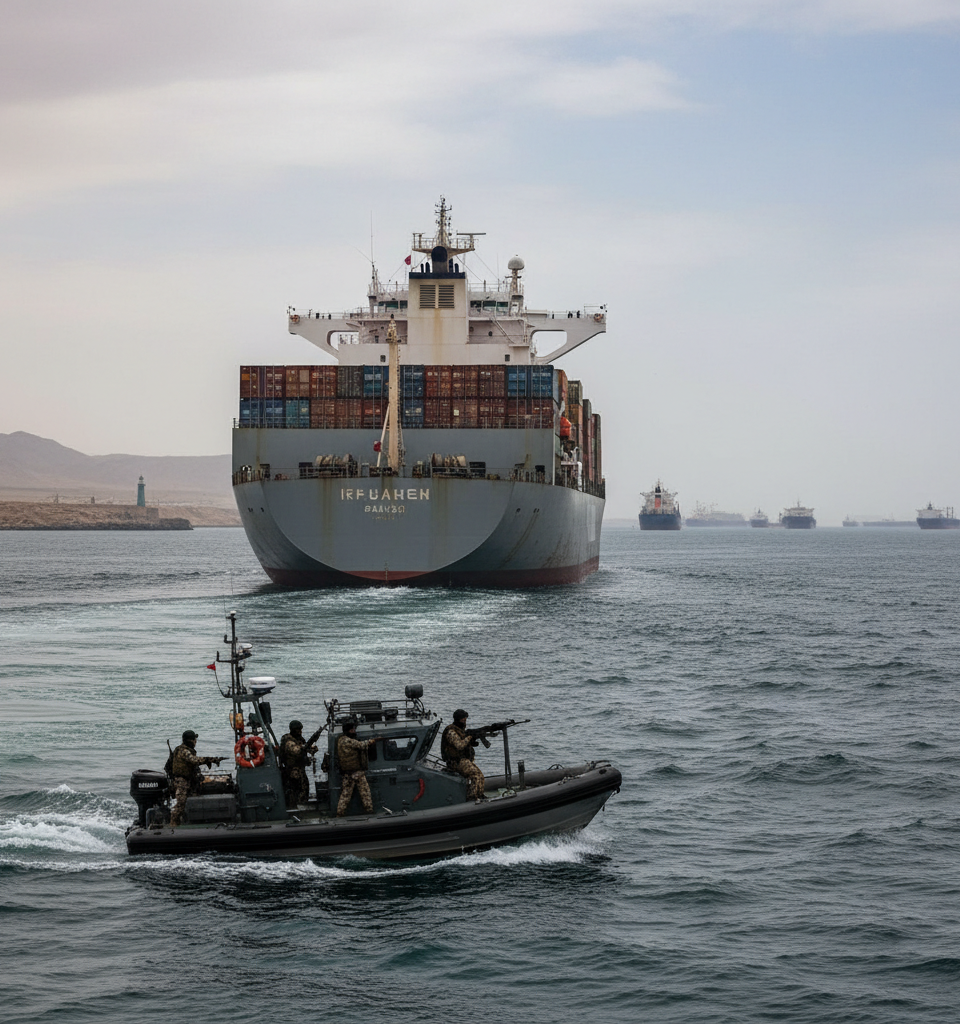
Shipping operations in a vital international maritime artery remain fraught with uncertainty, exacerbated by recent warnings from Iran. Since the US-Iran ceasefire deal, maritime traffic through the strait has seen a marked decline, according to analytical data compiled by BBC Verify. This reduced activity underscores persistent anxieties among shipping companies and international observers regarding the security of transit in the region, despite the diplomatic overtures.
The strait, a choke point for a substantial portion of global seaborne trade, including a significant percentage of the world's oil supply, has historically been a flashpoint for geopolitical tensions. The ceasefire deal, intended to de-escalate hostilities between the United States and Iran, was widely expected to usher in a period of stability and normalcy for shipping. However, the data suggests that these expectations have not yet translated into a return to pre-conflict levels of confidence among maritime operators. The continued reticence of vessels to traverse the strait indicates that underlying risks, or at least the perception of them, persist.
Post-Ceasefire Traffic Remains Sparse
BBC Verify's analysis indicates that only a limited number of vessels have navigated the strait since the ceasefire agreement took effect. This observation is critical as it serves as a tangible metric of operational confidence within the global shipping sector. The low volume suggests a calculated risk assessment by carriers, many of whom may be opting for longer, more expensive alternative routes to avoid potential hazards or disruptions. Such diversions can have cascading effects on supply chains, increasing freight costs and delivery times for goods worldwide.
The implications of prolonged uncertainty in this region are far-reaching. Global energy markets are particularly sensitive to any instability. A significant portion of the world's crude oil and liquefied natural gas (LNG) passes through this waterway. Any perceived threat to its navigability can trigger spikes in commodity prices, impacting economies globally. Furthermore, the insurance premiums for vessels operating in the region have likely remained elevated, adding another layer of cost and complexity for maritime businesses.
Economic Impact and Global Supply Chains
The reluctance of shipping companies to fully re-engage with the strait immediately post-ceasefire highlights the deep-seated nature of security concerns. Even in the absence of active hostilities, the memory of past incidents, including attacks on tankers and seizures of vessels, casts a long shadow over operational decisions. The economic ramifications extend beyond oil and gas; general cargo, container ships, and dry bulk carriers also utilize this route, making any disruption a potential blow to global trade networks.
Industry analysts are closely monitoring the situation, seeking indicators of an eventual return to regular traffic volumes. The current subdued activity suggests that the international shipping community requires stronger assurances of long-term stability and security guarantees before fully committing their fleets back to the strait. This cautious approach reflects the high stakes involved, where the safety of crew, cargo, and multi-million-dollar vessels remains paramount.
Outlook and Future Considerations
The ongoing situation underscores the fragility of geopolitical agreements and their real-world impact on commerce. While the ceasefire represents a diplomatic step forward, its effectiveness in normalizing trade passage is still evolving. Further diplomatic efforts, coupled with robust security assurances from all regional actors, may be necessary to fully restore confidence among international shippers. The near-term outlook suggests that the cautious approach to navigation in the strait will likely continue, with shipping companies weighing the risks against the commercial efficiencies of using the direct route.
The persistence of these anxieties, even after a formal ceasefire, signals a complex geopolitical landscape where trust is rebuilt slowly. International bodies and naval forces in the region will likely continue their monitoring efforts, while shipping companies will rely heavily on intelligence and analytical reports, such as those provided by BBC Verify, to inform their operational strategies in the coming months. The return to full, confident transit through the strait will be a key indicator of true de-escalation and enduring stability in the region.