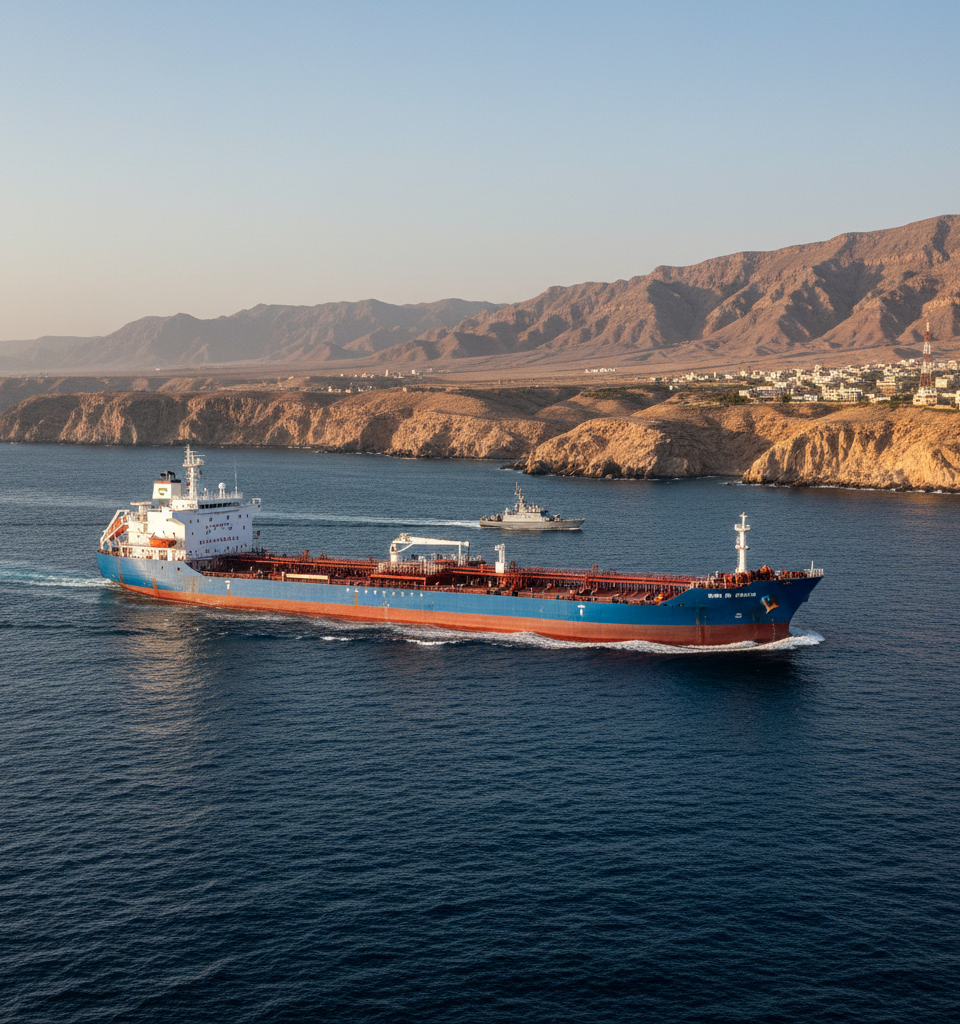
TEHRAN, IRAN – [Date] – In a significant geopolitical and economic development, Iran has formally confirmed that Iraqi-flagged vessels are authorized to navigate the strategic Strait of Hormuz. This declaration, issued by Iranian maritime authorities, effectively lifts a major impediment to Iraq's oil export capabilities, potentially unleashing an additional 3 million barrels per day (bpd) of crude oil onto global markets. The announcement marks a crucial moment for Baghdad, offering a much-needed direct and unhindered maritime route for its burgeoning energy sector.
Historical Context and Geopolitical Significance
The Strait of Hormuz, a narrow waterway between the Persian Gulf and the Arabian Sea, is arguably the world's most critical oil chokepoint. Approximately one-fifth of the world's total oil consumption, or about 21 million bpd, passes through this 21-mile-wide passage daily. Iran has historically exerted significant influence over the Strait, occasionally threatening to close it in response to international sanctions or perceived aggression. For Iraq, a nation heavily reliant on oil revenues and long seeking diversified export routes, direct access through Hormuz represents a profound strategic advantage, reducing its dependency on pipelines through neighboring countries and bolstering its sovereign control over its vital resources. This move also comes against a backdrop of ongoing diplomatic overtures and de-escalation efforts in the wider Gulf region.
Key Details and Operational Impact
While specific details regarding naval escorts or security protocols for Iraqi tankers were not immediately disclosed, the explicit Iranian approval is seen as a direct diplomatic guarantee. Previously, Iraqi oil exports largely relied on pipelines connecting to terminals in the Gulf via Saudi Arabia or to its southern terminals, with complex arrangements for transit. This new clearance means Iraqi tankers can load directly from southern Iraqi ports, such as Basra and Umm Qasr, and proceed through the Strait of Hormuz without facing Iranian interdiction or bureaucratic hurdles. The potential 3 million bpd figure represents a substantial portion of Iraq's current production capacity, signaling a vast untapped export potential that could now be realized more efficiently and cost-effectively.
Industry and Market Implications
The immediate impact on global energy markets is likely to be significant, though nuanced. An additional 3 million bpd of crude oil, if fully realized, would represent a substantial increase in supply, potentially influencing global oil prices. In a market often sensitive to supply-side disruptions, this new, reliable channel for Iraqi crude could help mitigate price volatility by offering a more stable and direct source of supply. Energy analysts suggest that traders and refiners will welcome this development, anticipating a more diversified and potentially higher volume of Iraqi crude available for purchase, particularly benefiting Asian markets which are major consumers of Middle Eastern oil. This could ease pressure on OPEC+ (Organization of the Petroleum Exporting Countries and its allies) to increase output, as a reliable non-OPEC+ source becomes more accessible.
Expert Perspectives on Regional Stability
Energy security experts and geopolitical analysts are closely watching this development. Dr. Aisha Al-Mansoori, a senior fellow at the Gulf Institute for Strategic Studies, commented, "This isn't merely an oil transit agreement; it's a powerful signal of improving diplomatic relations between Tehran and Baghdad. For Iraq, it unlocks economic potential and strengthens its hand in regional energy politics. For the region, it could be a small but crucial step towards de-escalation and greater trade cooperation." Others note that while the opening of the Strait for Iraqi ships is positive, the broader issues of regional security, particularly maritime security in the Gulf, remain paramount for sustained stability.
The Road Ahead: Future Implications and Developments
The full realization of this new export potential will depend on several factors, including Iraq's ability to ramp up production and port infrastructure to handle the increased traffic, as well as the ongoing political stability within Iraq. Observers will also be looking for any corresponding shifts in broader U.S. policy toward Iran and Iraq, given America's vested interest in global energy security. Furthermore, the commercial implications for shipping companies that previously avoided Iraqi-flagged vessels or sought alternative routes will be notable. This landmark decision by Iran has the potential to reshape not just Iraq’s economic future, but also the delicate balance of power and trade dynamics in the critical Middle East energy corridor for years to come.