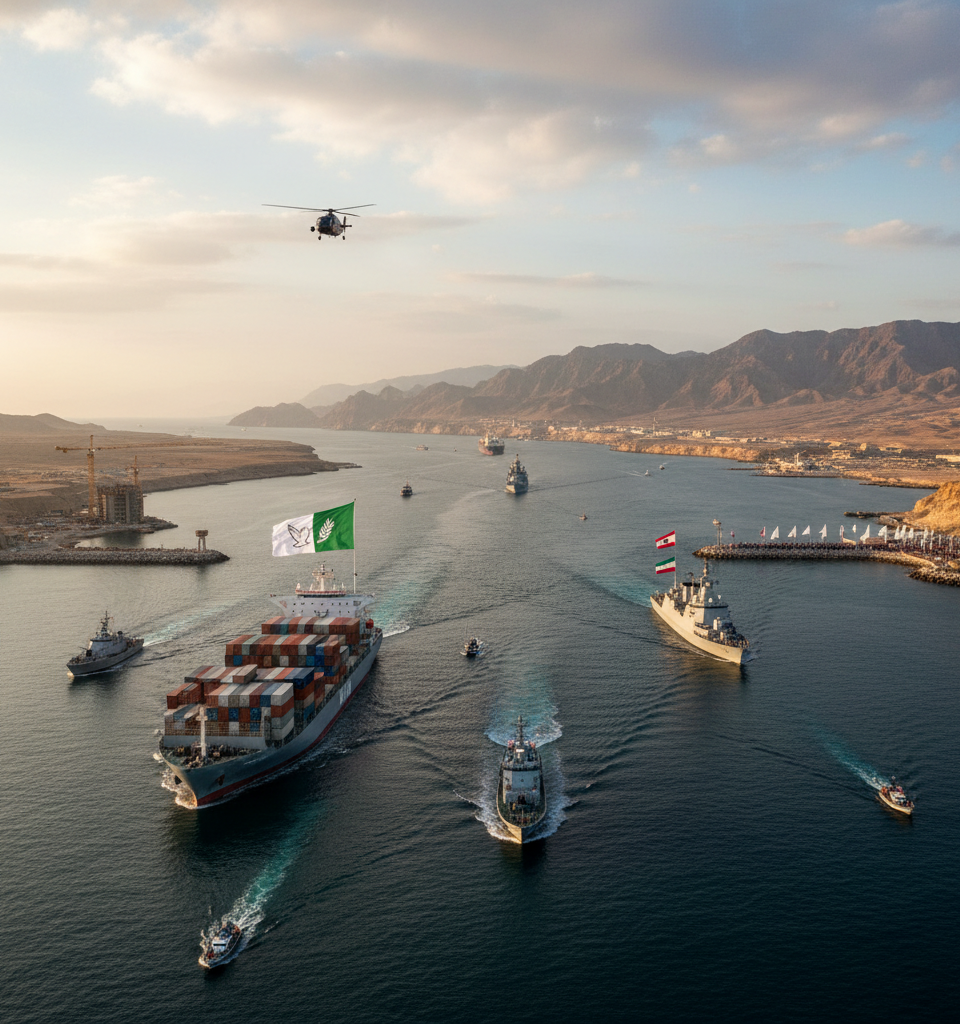
As of May 19, 2026, the global shipping industry is closely monitoring activity within the Strait of Hormuz, a crucial chokepoint for international maritime trade. Despite recent announcements of a ceasefire agreement involving Iran, observations indicate a prevailing sense of caution, with many vessels exhibiting reluctance to navigate close to the Iranian coast. This reticence underscores significant concerns within the maritime sector regarding the durability and enforceability of the nascent agreement, leading to a palpable decrease in the number of ships traversing the Strait.
Geopolitical Tensions and Shipping Lanes
The Strait of Hormuz, linking the Persian Gulf with the Arabian Sea, is strategically vital, responsible for facilitating a substantial portion of the world's seaborne oil shipments and liquefied natural gas (LNG). Any disruption or perceived threat in this narrow waterway sends ripples across global energy markets and supply chains. The current atmosphere of apprehension, even in the wake of a reported ceasefire, highlights the deeply ingrained anxieties that have characterized regional geopolitics for an extended period. Past incidents, including seizures of commercial vessels and attacks on tankers, have instilled a precautionary approach among shipping companies and their insurers.
This fragile agreement, the specifics of which remain under intense scrutiny by international observers, has evidently not been sufficient to immediately restore confidence in the safety of passage. Ship operators, factoring in risks to crew, cargo, and vessel integrity, are making cautious decisions. The reduced traffic volume is a direct indicator of economic decisions being made in real-time, reflecting a heightened risk premium for operations in the area.
Economic Implications for Global Trade
The continued hesitancy in navigating the Strait carries significant economic implications. Increased transit times due to re-routing, higher insurance premiums for vessels opting to pass through, and potential delays in delivery schedules could push up the cost of goods globally. For energy markets, even a perceived threat to supply can trigger price volatility, affecting consumers and industries worldwide. Major oil and gas exporters in the Gulf region rely heavily on the Strait for access to international markets, making secure passage indispensable for their economic stability.
Maritime insurance providers are likely reassessing their risk models and potentially adjusting premiums or terms for coverage in the region. This added financial burden contributes to the broader economic impact, ultimately being borne by end-consumers. Supply chain managers are undoubtedly exploring alternative routes or contingency plans, although options for circumventing the Strait of Hormuz for the sheer volume of trade it carries are limited and often less economical.
The Ceasefire's Unsettled Impact
While the ceasefire, if it holds, represents a de-escalation of overt hostilities, its practical implementation and long-term stability are clearly being questioned by those whose livelihoods depend on unhindered maritime commerce. The absence of specific assurances or robust enforcement mechanisms for safe passage may be contributing to the prolonged uncertainty. The situation suggests that trust, once eroded, takes considerable time and consistent positive actions to rebuild within the highly risk-averse shipping industry.
Observers point to the need for clearer protocols, verifiable commitments, and potentially international guarantees to truly alleviate concerns. Without these, the Strait risks remaining a zone of elevated caution, impacting not only regional economies but the broader global market that relies on its efficiency. The prevailing sentiment indicates that declarations alone may not be enough to mend fragmented security perceptions; tangible and sustained demonstrations of commitment to peace and safe passage are required.
Near-Term Outlook for Maritime Operations
In the immediate future, it is anticipated that vessels will continue to exercise discretion when planning routes through the Strait of Hormuz. Shipping companies will likely prioritize the safety of their assets and personnel, even if it means incurring additional costs or delays. The fragile agreement coupled with a history of regional tensions suggests that a rapid return to pre-conflict levels of confidence and traffic is unlikely. Industry stakeholders will be keenly observing developments, searching for concrete evidence of sustained peace and a de-risked environment.
The global community, particularly nations reliant on energy imports from the Persian Gulf, will also be pressing for a more definitive resolution to the security situation in the Strait. The coming weeks and months will be crucial in determining whether the ceasefire evolves into a more robust and dependable peace, thereby restoring unhindered passage through one of the world's most critical maritime arteries. Until then, caution is expected to remain the prevailing operational mantra for shipping in the Strait of Hormuz.