The Echoes of History: A Pattern of Concern
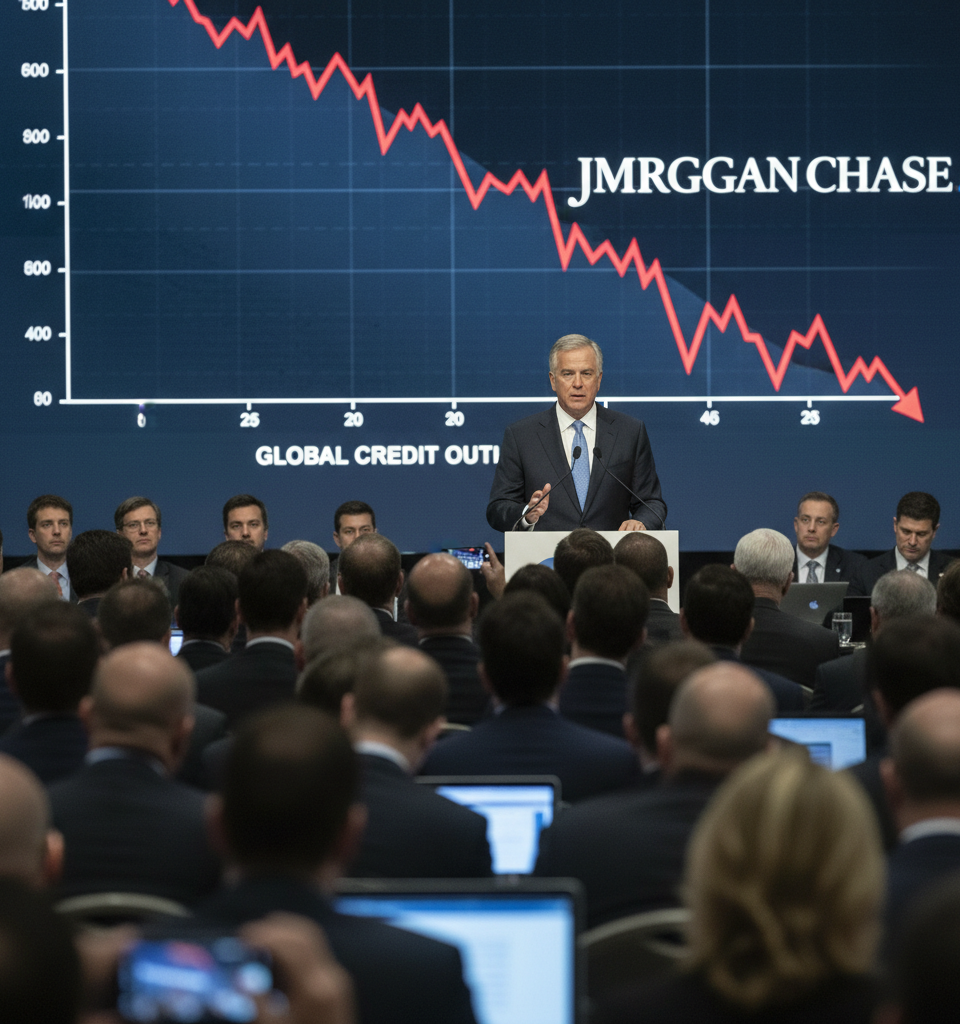
Dimon's cautionary tone is not without historical precedent. He has a track record of issuing prescient warnings about economic headwinds and financial instability. His current concerns are deeply rooted in the compounding effects of ongoing global supply chain disruptions, an unpredictable energy market, and aggressive monetary tightening by central banks worldwide. This confluence of factors, he argues, creates an environment ripe for significant credit defaults and broader financial contagion. The memory of the 2008 financial crisis, still vivid for many, lends a particular weight to such pronouncements from a figure of Dimon's stature.
Dissecting Big Bank Earnings: A Mixed Bag of Signals
The recent release of third-quarter earnings reports from major financial institutions has presented a complex picture. While some banks, like JPMorgan Chase itself, reported better-than-expected profits driven by higher net interest income (NII) due to rising rates, this strength was often juxtaposed with increased provisions for credit losses. For instance, JPMorgan Chase reported a 35% jump in net income to $13.2 billion, largely attributed to a 30% rise in NII to $22.7 billion. However, the bank also set aside an additional $1.38 billion for credit losses, reflecting growing caution. Similarly, Wells Fargo reported a 66% surge in profit to $5.77 billion, but also increased its loan loss provisions by 6% to $1.26 billion. Bank of America, while also benefiting from NII, saw a slight decline in consumer banking revenue due to slower loan growth and higher deposit costs. These provisions, though still manageable, signal a proactive effort by lenders to brace for a potential deterioration in loan quality across various segments, including commercial real estate, consumer credit, and leveraged loans.
Industry-Wide Repercussions and Market Volatility
The implications of a widespread credit crisis would be profound, rippling across various sectors of the economy. Businesses, particularly small and medium-sized enterprises, would face tighter lending conditions, potentially hindering investment and job creation. Consumers could experience higher interest rates on mortgages, auto loans, and credit cards, further straining household budgets already grappling with inflation. The stock markets, already navigating a volatile landscape, would likely see significant downturns as investor confidence erodes. Furthermore, a credit crunch in one major economy could quickly spread globally, given the interconnectedness of international financial markets, potentially triggering a synchronized global slowdown.
Expert Consensus: Caution and Uncertainty Prevail
Financial analysts and economists largely concur with the cautious sentiment, though some debate the severity and timing of a potential crisis. Many point to the current high levels of corporate debt, particularly in the speculative-grade bond market, as a significant vulnerability. "While bank balance sheets are generally stronger than in 2008, the sheer volume of outstanding debt, coupled with the rapid increase in borrowing costs, creates a fragile environment," commented Dr. Eleanor Vance, chief economist at Global Financial Analytics. "Dimon's warning serves as a critical stress test wake-up call for both regulators and financial institutions to ensure they are adequately prepared for a prolonged period of economic contraction and heightened credit risk."
Navigating the Future: Vigilance and Adaptation
Looking ahead, the financial industry is expected to enhance its risk management frameworks and capital buffers. Regulators are likely to scrutinize loan portfolios more closely, particularly in sectors deemed high-risk. For investors, the coming months will demand increased vigilance and a re-evaluation of portfolio allocations, favoring defensive assets and companies with robust balance sheets. Businesses will need to focus on optimizing cash flow and deleveraging where possible. How central banks navigate the delicate balance between curbing inflation and avoiding a severe recession will be paramount, as their policy decisions will largely dictate the trajectory of credit markets and the broader economy in the coming year. The overarching message is one of caution and preparation, as the financial world braces for potentially turbulent times ahead.