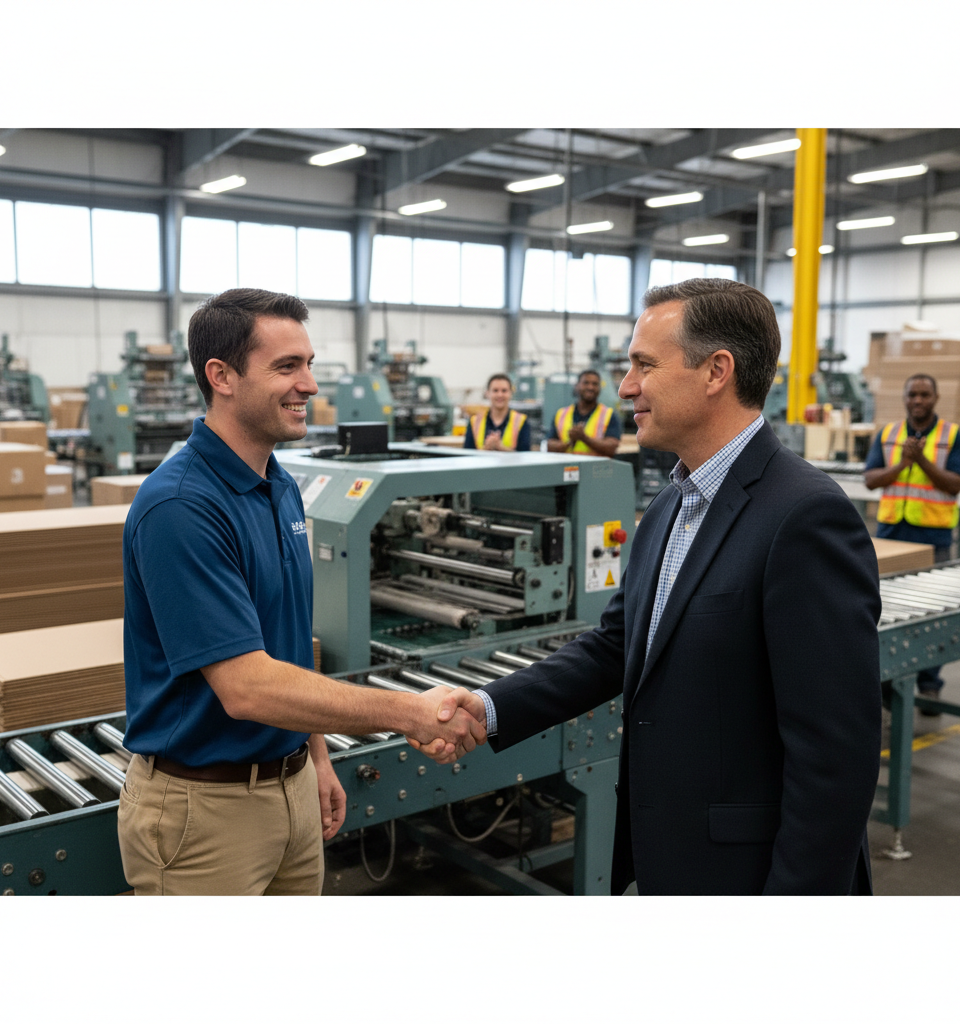
JBM Packaging, a leading manufacturer in the packaging industry, recently announced the successful graduation of Billy Campbell from its pioneering in-prison manufacturing training program. This landmark achievement marks a pivotal moment for both JBM Packaging and the program, which is designed to equip incarcerated individuals with marketable skills using the company's own equipment. Upon his release, Campbell seamlessly transitioned into a full-time position at JBM Packaging, joining the approximately 40% of the company's workforce who are formerly incarcerated, a testament to the program's efficacy and the company's progressive hiring practices.
A New Model for Rehabilitation and Workforce Development
This initiative by JBM Packaging is more than just a training program; it's a profound statement about second chances and a pragmatic solution to pressing societal and economic challenges. The United States grapples with a stubbornly high recidivism rate, with studies showing that within three years of release, 68% of prisoners are rearrested. A significant contributing factor is the difficulty formerly incarcerated individuals face in securing stable employment. JBM's program directly confronts this issue by providing not just training, but a direct pathway to employment, significantly reducing the likelihood of reoffending. Furthermore, it addresses the persistent labor shortages within the manufacturing sector, which has seen some estimates of unfilled jobs reaching into the hundreds of thousands.
Key Program Details and Impact
The in-prison training is conducted on authentic JBM Packaging manufacturing equipment, mirroring the exact machinery and processes used in their facilities. This hands-on approach ensures that graduates like Billy Campbell are job-ready from day one, minimizing the need for extensive post-release training. "Billy's success is a shining example of what happens when opportunity meets determination," stated Mike Dupps, CEO of JBM Packaging. "We invest in people not just for their skills, but for their potential, and the returns are evident in our committed and capable workforce." The company has invested significantly in the program, both in terms of equipment and dedicated training personnel, highlighting their long-term commitment to this model. The 40% representation of formerly incarcerated individuals within JBM's employee base is far above the national average for employers, underscoring a deliberate and successful integration strategy.
Broader Industry Implications JBM
Packaging's innovative approach offers a compelling blueprint for other manufacturers struggling with workforce recruitment and retention. By tapping into the often-overlooked talent pool of formerly incarcerated individuals, companies can access a motivated and loyal workforce. This model challenges traditional hiring paradigms and demonstrates that a commitment to social responsibility can also yield tangible business benefits. The program could inspire a shift in corporate social responsibility initiatives, moving beyond simple donations to active, impactful engagement in rehabilitation and reintegration efforts. As the manufacturing sector continues to evolve, finding reliable and skilled labor remains a top priority, making JBM's model particularly attractive.
Expert Perspectives on Reintegration Experts in criminal justice reform and labor economics laud JBM
Packaging's initiative as a forward-thinking and effective model. Dr. Eleanor Vance, a sociologist specializing in prison rehabilitation, commented, "Programs like JBM's are critical. They don't just teach a skill; they restore dignity and provide a sense of purpose, which are fundamental to successful reintegration. The fact that JBM ensures employment post-release is the missing link that many other programs fail to provide effectively." Analysts point out that the economic benefits extend beyond the individual, contributing to reduced welfare dependency and increased tax revenues, yielding an estimated societal saving of thousands of dollars per successfully reintegrated individual annually.
Looking Ahead: Scaling and Replication JBM
Packaging plans to expand its in-prison training program, seeking partnerships with more correctional facilities and potentially other industries facing similar labor challenges. The company is actively documenting its processes and success metrics to create a replicable model that can be adopted by other businesses nationwide. The long-term vision includes establishing a network of businesses committed to inclusive hiring practices for formerly incarcerated individuals, fostering a broader societal shift towards restorative justice and economic opportunity. The goal is to move beyond isolated success stories like Billy Campbell's, to create systemic change that benefits both businesses and communities.