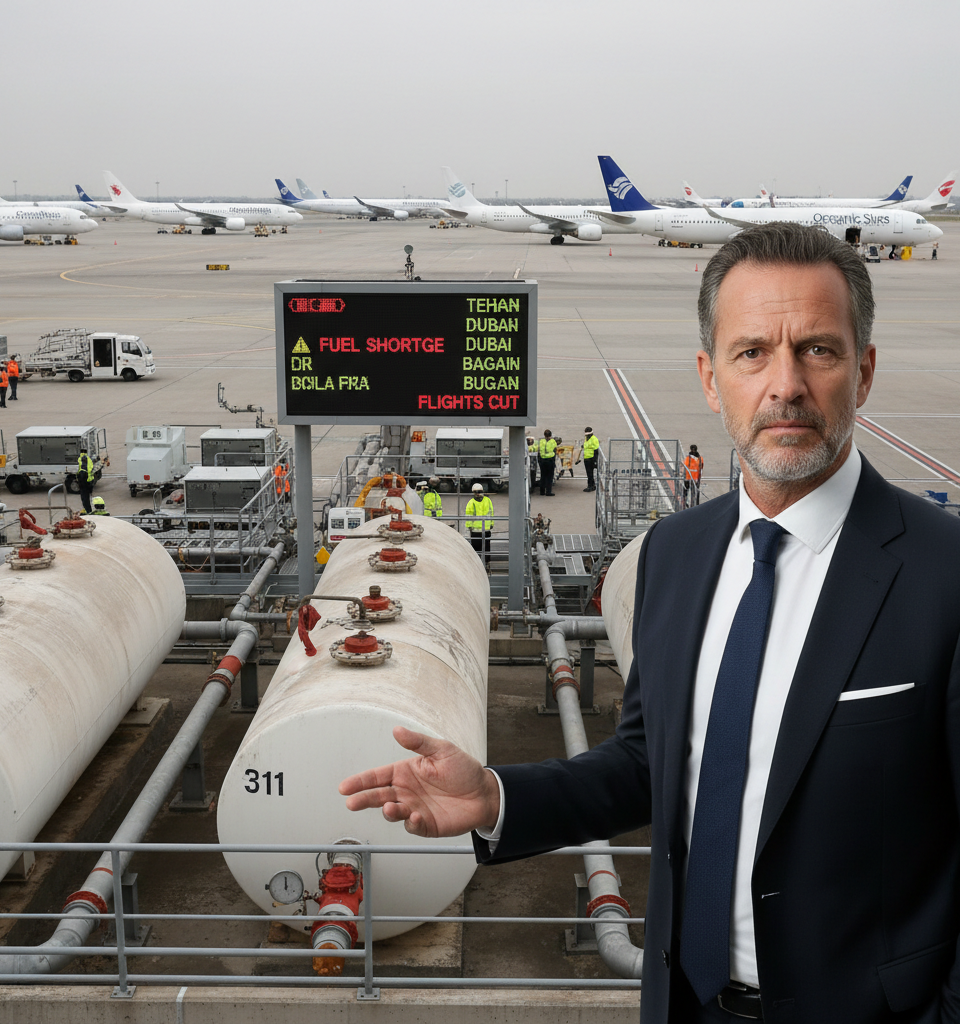
The global aviation industry is grappling with rapidly escalating jet fuel prices and growing supply concerns as the conflict with Iran intensifies. Since the United States and Israel initiated attacks on Iran, the cost of jet fuel in the U.S. has nearly doubled, pushing airlines to reconsider operational strategies and, in some cases, cut flights. This dramatic increase in a core operational expense threatens to upend the fragile post-pandemic recovery for many carriers and could have cascading effects throughout the global supply chain and travel sectors.
The current crisis stems directly from the geopolitical instability in the Middle East, a region critical for global energy production and transit. The engagement of major powers in a protracted conflict with Iran has injected unprecedented uncertainty into the oil markets. Historically, even minor disruptions in this region have led to price spikes, but the scale and duration of the current hostilities are creating a more sustained and severe impact on energy costs, particularly for refined products like jet fuel.
The Economic Impact on Air Carriers
For airlines, fuel represents one of the largest single operating costs, often accounting for 25-30% of their expenses. A near-doubling of this input cost in a relatively short period places immense pressure on their financial models. While some airlines engage in fuel hedging to mitigate volatility, the sustained nature of the price surge can quickly expose unhedged or under-hedged positions, leading to significant financial strain. The immediate consequence observed across the industry is a strategic reduction in flight frequencies and, in some instances, the suspension of less profitable routes. This measure is intended to conserve fuel and manage operational costs in an exceptionally challenging environment.
Supply Chain Vulnerabilities Exposed
Beyond just price, the availability of jet fuel is becoming a critical issue. The broader implications of the conflict extend to the logistics and security of energy transit routes. Increased tensions and potential disruptions to shipping lanes in the Persian Gulf, a vital artery for oil, amplify fears of supply shortages. Even if crude oil is sourced from elsewhere, the refining capacity and distribution networks for jet fuel are complex and sensitive to regional stability. Any bottlenecks or perceived risks in these chains lead to hoarding and further price escalation, creating a vicious cycle for end-users such as airlines.
Broader Market Ramifications
The ripple effects of this aviation crisis extend far beyond just air travel. Businesses reliant on air freight face higher costs and potential delays, impacting global supply chains for everything from electronics to pharmaceuticals. Economic forecasts, already grappling with inflation and economic uncertainty, will likely be revised downwards as the cost of doing business and travel increases. Consumer confidence in leisure travel may also wane as ticket prices reflect the surging fuel surcharges, further dampening demand in an industry highly sensitive to discretionary spending.
Industry Outlook and Mitigation Strategies
As the conflict shows no signs of immediate de-escalation, airlines are exploring various strategies to navigate this turbulent period. These include reviewing fleet efficiencies, optimizing flight paths to reduce fuel burn, and aggressively adjusting capacity to match the new economic realities. However, fundamental solutions are tied to a stabilization of global energy markets, which in turn hinges on a resolution to the geopolitical tensions. Industry analysts suggest that sustained high fuel prices and supply concerns could accelerate calls for greater investment in alternative fuels and more robust energy independence, though such shifts are long-term propositions offering little immediate relief. The coming weeks will reveal the extent to which airlines can absorb these shocks without resorting to more drastic measures, such as widespread cancellations or significant fare increases, which would undoubtedly impact both business and leisure travelers.