Global supply chains and cross-border logistics will adapt as Jordan Brand expands its product catalog beyond footwear. Businesses selling international sporting goods must monitor this diversification, as it could signal broader market shifts and new sourcing opportunities.
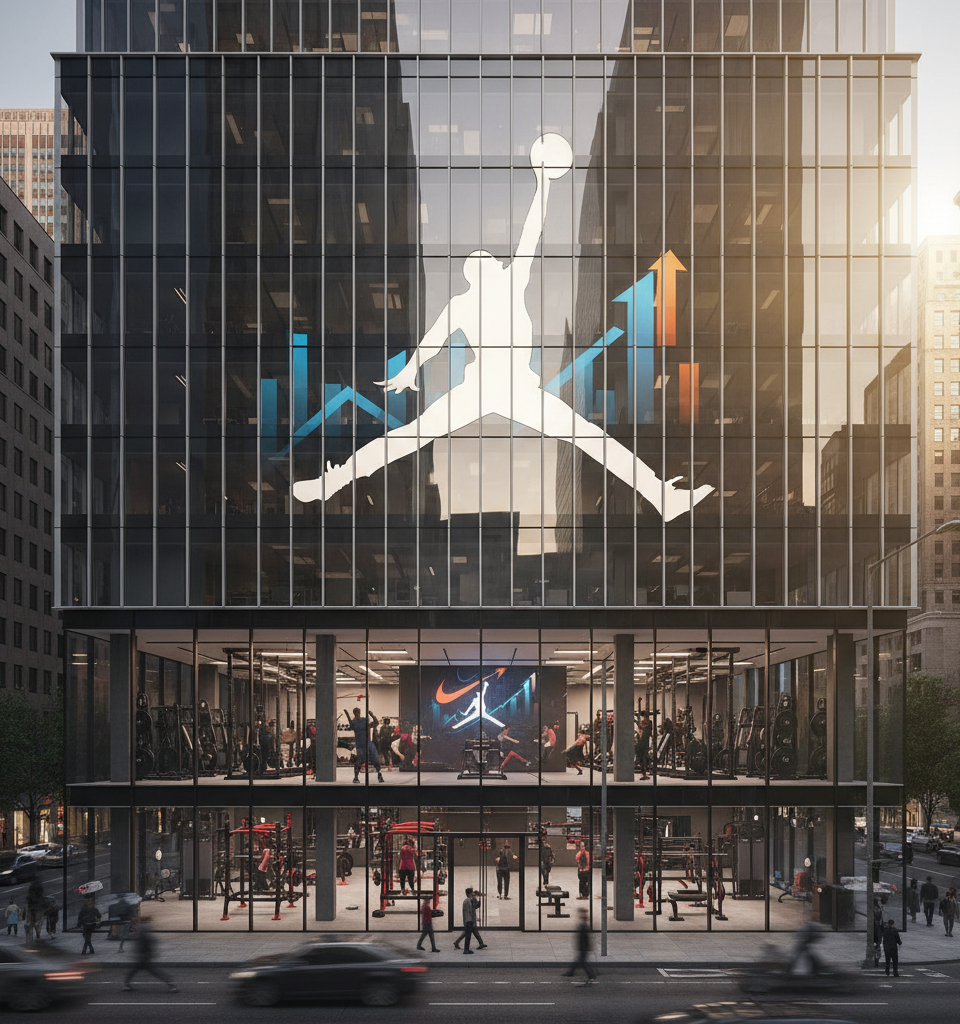
Jordan Brand, a prominent subsidiary of Nike, is launching a new collection of strength training equipment, marking a significant expansion beyond its traditional apparel and iconic footwear lines. The initiative is directly inspired by Michael Jordan's enduring legacy, translating his athletic philosophy into products designed for physical conditioning. This strategic move coincides with Nike's internal assessment that its core business remains heavily reliant, or "overindexed," on its classic footwear franchises.
Strategic Diversification in a Competitive Market
The introduction of strength training gear represents a calculated effort by Jordan Brand to diversify its product portfolio and tap into the lucrative fitness equipment market. For years, the brand has been synonymous with basketball sneakers and related apparel, building a global empire on the foundation of its legendary namesake. By venturing into training equipment, Jordan Brand aims to capture a new segment of consumers focused on performance and physical development, aligning with the broader trend of holistic athletic conditioning.
This expansion provides a fresh avenue for growth, particularly as the athletic wear market becomes increasingly competitive. It also allows the brand to cater to athletes and fitness enthusiasts who admire Michael Jordan's commitment to rigorous training, offering them tools that embody that same ethos. The products are expected to carry the premium branding and design aesthetic characteristic of the Jordan Brand.
Nike's Footwear Reliance and Brand Strategy
Nike's acknowledgment of being "overindexed" with its classic footwear franchises highlights a strategic concern for the sportswear giant. While these iconic lines continue to perform strongly and generate substantial revenue, an excessive reliance on a few core products can pose risks in a rapidly evolving consumer landscape. Market preferences can shift quickly, and over-dependence on historical successes might limit future innovation or resilience against new competitors.
By empowering Jordan Brand to explore new product categories, Nike is likely seeking to mitigate this risk. This strategy allows a key subsidiary to innovate and grow in adjacent markets, potentially attracting new customers and fostering additional revenue streams, all while leveraging the immense brand equity of Michael Jordan. It reflects a broader corporate strategy to nurture existing brands while also pushing boundaries into new product territories.
Implications for the Sports and Fitness Industry
The entry of Jordan Brand into the strength training equipment sector could have notable implications for the broader sports and fitness industry. Established players in the equipment market may face new competition from a brand with unparalleled global recognition and marketing power. Consumers could benefit from increased innovation and design-focused products, as Jordan Brand is known for its strong aesthetic and performance-driven design.
This move also signals a potential shift in how major sportswear brands view their core competencies, moving beyond traditional apparel and footwear to encompass a wider array of athletic lifestyle products. It underscores the importance of brand extension and diversification as key strategies for sustained growth and relevance in a dynamic global market. The long-term success of this new line will be closely watched as a benchmark for similar brand expansions.
Future Outlook
As Jordan Brand rolls out its new line of strength training equipment, the focus will be on market acceptance and its ability to differentiate itself in a crowded segment. The brand's ability to translate its footwear success into performance equipment will be a critical test. This strategic diversification by one of Nike's most powerful brands suggests a proactive approach to evolving market demands and a commitment to leveraging its legendary associations to forge new paths for growth. The initiative represents a bold step towards securing a broader footprint in the athletic lifestyle industry.