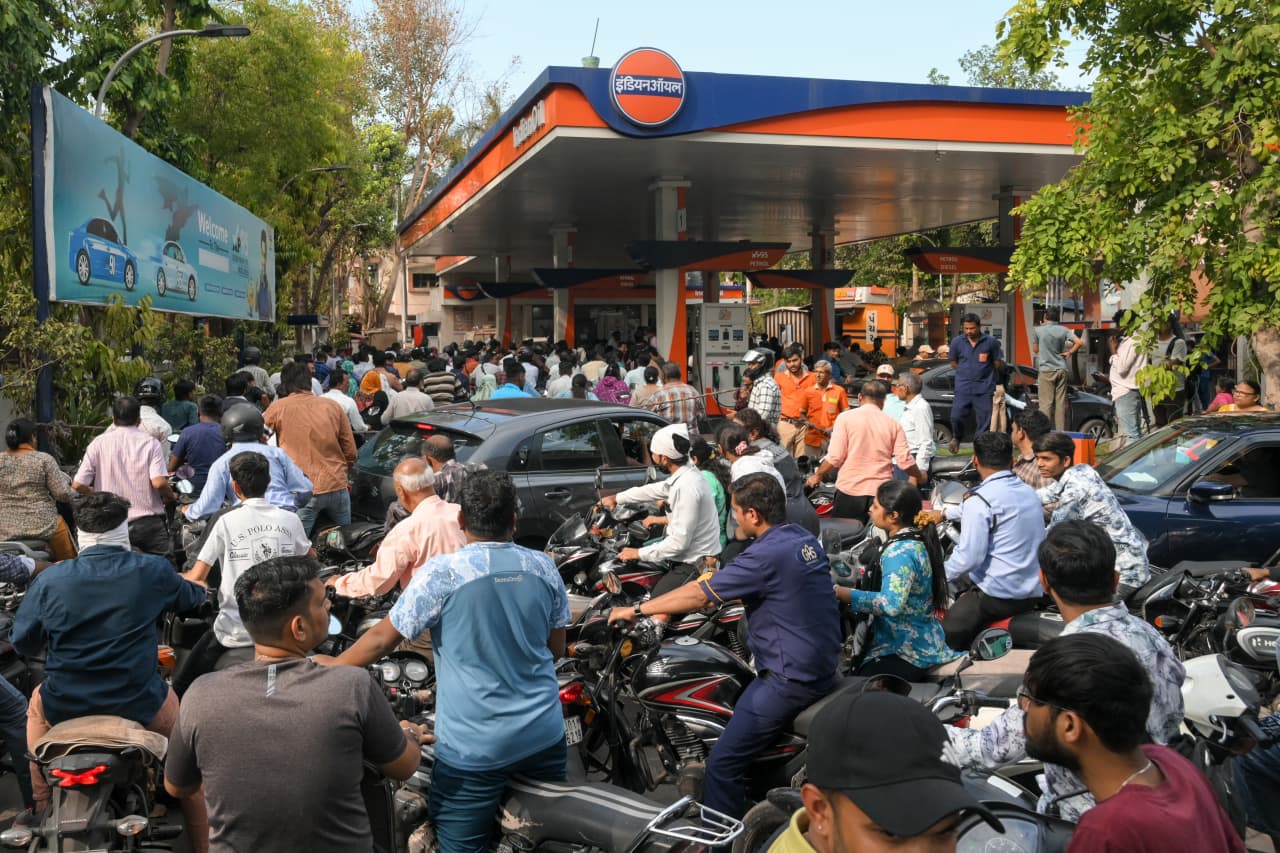
JPMorgan Chase & Co. analysts have issued a stark forecast, warning of impending global oil shortages that are anticipated to grip the world within six weeks. The dire prediction stems from the effective closure of the Strait of Hormuz, a critical chokepoint for global oil shipments. Initially, Asian economies are expected to bear the brunt of these supply disruptions, with the ripple effects subsequently escalating to a worldwide scale.
This latest projection reignites concerns previously expressed by market observers regarding the fragility of global supply chains and the profound impact geopolitical events can have on energy markets. The Strait of Hormuz, linking the Persian Gulf with the Arabian Sea and beyond, is responsible for a significant portion of the world's seaborne oil trade. Its effective closure would drastically curtail crude oil and refined petroleum product flows, leading to an immediate and substantial deficit in global supply.
Escalating Global Energy Crisis
According to JPMorgan's analysis, the sequential nature of the impending crisis suggests a multi-phased impact. Asian countries, heavily reliant on Middle Eastern oil, are positioned to experience the shortages first, likely facing immediate price hikes and potential rationing as their reserves dwindle. The timeframe cited by JPMorgan – six weeks for global impact – underscores the speed with which a disruption of this magnitude could propagate through interconnected energy markets. This rapid onset of shortages would pose unprecedented challenges to national energy security and economic stability across continents.
The prospect of such a widespread energy crunch carries significant implications for various sectors. Industries dependent on consistent and affordable energy, from manufacturing to transportation and agriculture, would face acute operational hurdles. Consumers, in turn, would likely confront surging fuel prices, impacting inflation and disposable income. The potential for a severe economic downturn tied directly to energy scarcity is a central concern arising from JPMorgan's assessment.
Analyst Warnings and Market Volatility
This recent forecast from JPMorgan analysts appears to reiterate previous warnings about potential market instabilities and oil supply vulnerabilities, which have previously drawn attention from prominent investors like Scott Bessent, founder of Key Square Capital Management. While the original report does not detail Bessent’s specific reactions, the phrase "tempts Scott Bessent’s wrath once more" implies a history of differing views or heightened scrutiny around such predictions within financial circles.
Such a scenario would inevitably lead to intense market volatility. Oil futures prices would likely skyrocket, and the global benchmark crude prices, such as Brent and WTI, could reach unprecedented levels. Refiners would struggle to secure feedstock, leading to reduced output of gasoline, diesel, and jet fuel, further exacerbating the supply chain crisis in other industries. The anticipated shortages could force governments to tap into strategic petroleum reserves, though the effectiveness and duration of such measures would be limited against a prolonged disruption from the Strait of Hormuz.
Potential Regional Impacts: California and Beyond
While the initial impact is predicted for Asia, JPMorgan's projections specifically mention that the effects would be felt globally within weeks, potentially reaching regions like California. The Californian market, often viewed as somewhat isolated due to its unique refining infrastructure and environmental regulations, is particularly susceptible to supply shocks. Any disruption to global crude flows could quickly translate into elevated gasoline prices and potential localized shortages across the state, mirroring the broader global trend.
Looking ahead, the immediate future hinges on the geopolitical developments surrounding the Strait of Hormuz and the reactions of major oil-producing and consuming nations. Should the closure persist for the projected duration, or even longer, the world could be plunged into an economic crisis unlike any seen in decades. Energy policymakers and international bodies would face immense pressure to stabilize markets and secure alternative supply routes, though viable alternatives for such a massive volume of oil are scarce. The coming weeks will undoubtedly be critical in determining the trajectory of the global energy landscape and the broader economic stability it underpins.