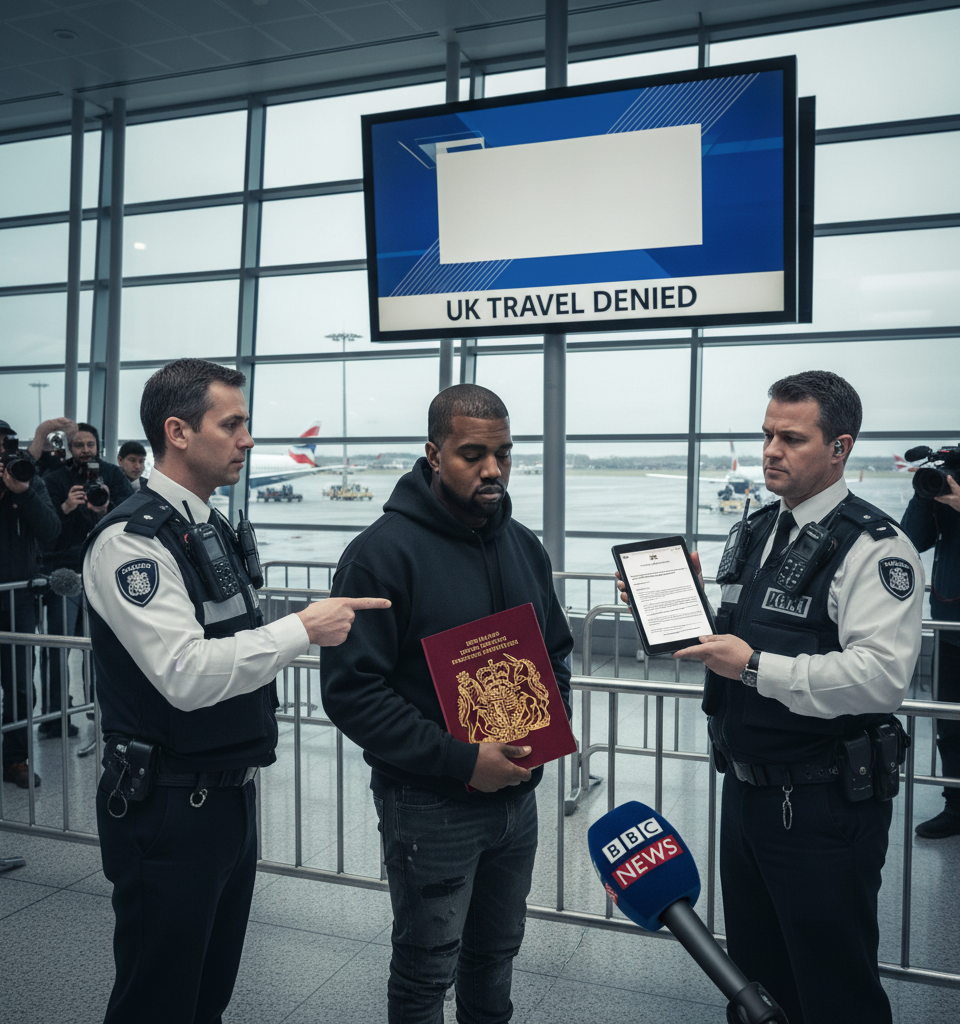
The United Kingdom government has reportedly moved to effectively bar Kanye West from entering the country, a decision communicated to the BBC. This development directly jeopardizes West's scheduled headline performance at London's Wireless Festival, set for July. The move comes in the wake of significant and sustained public outcry regarding a series of antisemitic remarks made by the prominent musician and fashion mogul, born Ye.
The reported government intervention signifies a potentially unprecedented step against a high-profile international artist based on their public statements. While the specifics of the denial, such as whether it constitutes a formal visa rejection or an exclusion direction, remain opaque, the outcome is clear: West's ability to perform in the UK appears to be severely curtailed. The situation highlights the growing global scrutiny over hate speech and its consequences, particularly when emanating from influential public figures.
Background of Controversy
Kanye West has faced intense criticism and commercial repercussions for a string of antisemitic comments made across various platforms since late 2022. These remarks led to the termination of lucrative partnerships with major brands such as Adidas, Gap, and Balenciaga, resulting in significant financial losses. His statements were widely condemned by Jewish organizations, civil rights groups, and political figures globally, some labeling them as dangerously inflammatory and conducive to real-world harm. The UK government's reported decision aligns with a broader international stance against the normalization of such rhetoric.
Implications for Wireless Festival
For Wireless Festival, one of the UK's premier music events, this news presents a considerable logistical and reputational challenge. As a major headliner, West's potential absence would necessitate a swift and comparable replacement, an arduous task for a festival of its scale and proximity to the event date. The festival organizers have yet to issue a public statement regarding the reported ban or its contingency plans. The incident raises questions for event promoters globally about due diligence and risk assessment when booking artists with controversial public profiles, particularly in an era where societal expectations for accountability are increasingly stringent.
Broader Industry Repercussions
This reported governmental action could send a chilling message throughout the entertainment industry regarding the consequences of propagating hate speech. While artists have historically faced career setbacks due to controversy, direct government intervention in an artist's ability to perform in a country due to their rhetoric is a distinct and potent development. It sets a potential precedent for other nations to consider similar measures, especially given the increasingly interconnected global music and entertainment market. The incident underscores evolving corporate social responsibility standards, where businesses and governments are under pressure to distance themselves from individuals whose views are deemed harmful.
Legal and Diplomatic Considerations
The exact legal framework underpinning the UK government's reported decision is crucial. Immigration laws typically grant governments broad powers to deny entry to individuals deemed a threat to public safety, order, or national interest. The interpretation of "national interest" in this context, particularly as it relates to speech, could have wider implications for international travel and artistic freedom debates. While the UK is known for its robust protection of free speech, there are legal limits, particularly concerning incitement to hatred or actions that could undermine community relations. The government’s reported stance reflects a firm position on where it draws that line for foreign nationals seeking entry.
The coming weeks will likely see further developments as Wireless Festival leadership addresses the situation and details regarding the government's specific actions potentially emerge. The incident serves as a stark reminder of the complexities inherent in public discourse, artistic expression, and international relations in the contemporary global landscape.