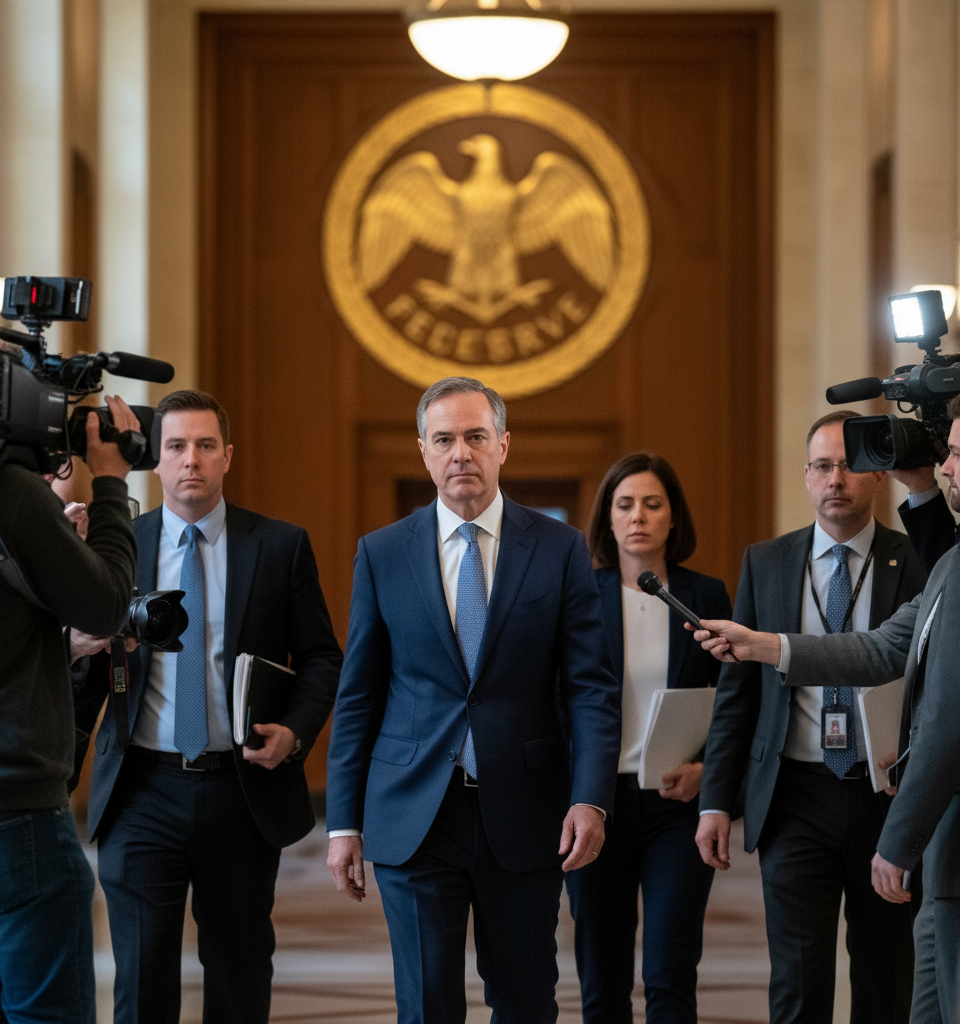
Kevin Warsh's Fed Chair Candidacy: Scrutiny Mounts Over Fortune & Potential Conflicts
Lee Davenport•April 22, 2026•4 min read
Key Takeaways
Read this first — then go as deep as you need.
Warsh's Fed Chair Nomination: Wealth, Influence, and the Path Ahead Donald Trump's prospective nomination of Kevin Warsh for Federal Reserve Chairman has ignited a fierce debate, spotlighting the intricate nexus of personal wealth, financial regulatory power, and potential conflicts of interest. Warsh, a former Federal Reserve Governor and scion of a prominent real estate family, is undergoing intense scrutiny over his extensive investment holdings and their alignment with the Fed's critical mandate. The process, currently unfolding in Washington D.C., underscores a pivotal moment for the nation's central bank and its independence, demanding transparency and assurances against any perceived or actual impropriation. The stakes in this confirmation are exceptionally high. The Federal Reserve Chair wields immense influence over the U.S. and global economies, guiding monetary policy that impacts everything from interest rates and inflation to employment and financial stability. Historically, nominees have faced rigorous vetting, but Warsh's background—characterized by significant personal wealth accrued through family enterprises and subsequent investment activities—introduces a unique layer of complexity. This scrutiny is amplified by historical precedents where perceptions of financial entanglement have undermined public trust in regulatory bodies, making a thorough examination imperative. Dr. Lee Davenport, an expert providing insights into the matter, highlights four critical questions that demand immediate answers. These queries reportedly center on the precise nature of Warsh's investment portfolio, particularly any holdings in industries directly impacted by Fed policy decisions, such as banking, real estate, or specific financial instruments. The extent of his family's financial interests and whether he fully divested from relevant holdings upon assuming public office are also key areas of concern. Furthermore, the discussion extends to the transparency of these holdings and a clear strategy for preventing conflicts of interest should he ascend to the top Fed post. The implications for the financial markets are substantial. A Fed Chair perceived to have conflicts of interest could erode investor confidence, introduce volatility, and potentially compromise the independence of monetary policy. Market participants are keenly observing the confirmation process, recognizing that any hint of bias, real or perceived, could disrupt the stability essential for economic growth. The perception of the Fed's neutrality is paramount, and any challenge to this could lead to increased market speculation and decreased foreign investment into U.S. assets. Financial analysts and ethics watchdogs are weighing in with a range of perspectives. Many stress the importance of a nominee with an unimpeachable record of financial probity and independence. Critics argue that Warsh's extensive personal wealth and deep ties to the financial industry could make it challenging to maintain the appearance, let alone the reality, of impartiality. Conversely, supporters emphasize his significant experience within the Fed system and his intellectual contributions to monetary policy, arguing that his financial background also provides a unique understanding of market dynamics. However, even these proponents agree that strict ethical firewalls would need to be established. Should Warsh's nomination proceed, comprehensive financial disclosures and a robust mitigation plan for potential conflicts would be non-negotiable. This would likely involve divesting from specific holdings, placing assets into a blind trust, or recusing himself from decisions directly affecting his family's or his own prior business interests. The Senate confirmation hearings would serve as a crucial platform for addressing these concerns publicly and pressing for concrete commitments to ethical conduct and transparency. The road ahead for Kevin Warsh's potential Fed Chairmanship is paved with these critical questions. The resolution of these issues will not only determine his suitability for the role but also set a vital precedent for future appointments to powerful financial regulatory positions. The outcome will be watched closely by national and international observers, as it reflects on the integrity and independence of one of the world's most influential economic institutions.
Discussion
Join the discussion
Sign in to leave a comment on this article.
Loading comments...
Enjoying this article?
Get more like it delivered to your inbox — free.
This article was compiled by GlobalSell News from publicly available reporting and has been edited for clarity and length. For full details, read the original source.