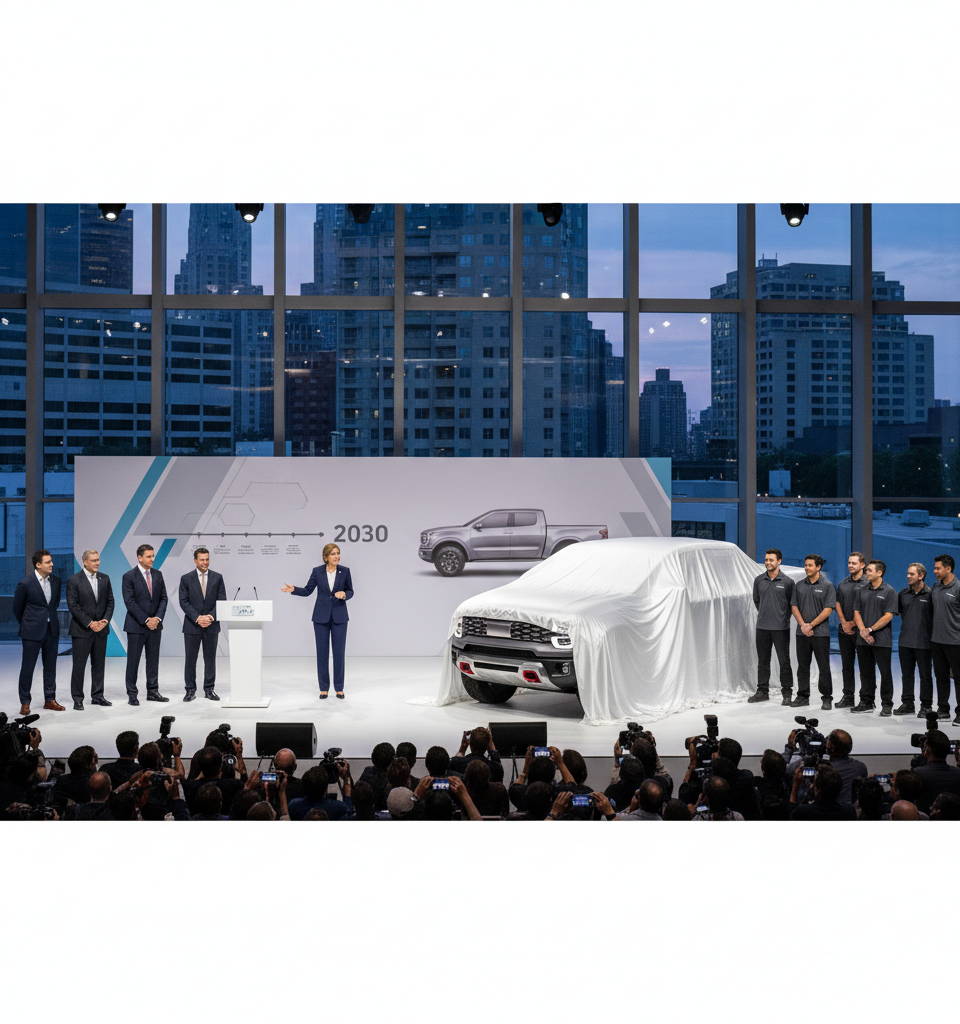
Kia Motors is poised to make a significant entry into the highly competitive U.S. pickup truck market by the end of the decade. The South Korean automotive giant is formulating plans to launch a dedicated pickup model tailored for American consumers by 2030, a strategic maneuver that aligns with the company's broader objectives for sustained global expansion and market share growth.
This initiative marks a pivotal moment for Kia as it seeks to broaden its product portfolio beyond its established SUV, sedan, and electric vehicle offerings. The U.S. pickup truck segment, historically dominated by domestic manufacturers, presents a lucrative yet challenging frontier. Kia's potential foray reflects a calculated aspiration to capture a portion of this significant market, known for its strong brand loyalty and robust sales volumes, particularly in light of ongoing shifts in consumer preferences and economic landscapes.
Strategic Rationale and Market Dynamics
The decision to target the U.S. pickup market by 2030 is deeply rooted in Kia's long-term strategic vision. As global automotive markets evolve, diversifying into high-demand segments is crucial for maintaining competitive edge and driving revenue. The U.S. remains one of the largest and most profitable markets for pickup trucks globally, characterized by consistent demand from both commercial and personal-use buyers. By entering this segment, Kia aims to tap into a substantial customer base that has traditionally been underserved by many import brands.
Furthermore, the move could help Kia enhance its brand perception and solidify its presence as a full-line automaker. A successful entry into the pickup segment could demonstrate the company's engineering prowess and commitment to catering to the specific demands of American consumers, who often prioritize utility, towing capacity, and rugged design in their vehicle choices. This expansion is not just about sales volume but also about elevating Kia’s brand image to compete more directly with established players.
Competitive Landscape and Potential Challenges
Kia's upcoming pickup truck will enter a market currently dominated by formidable players such as Ford's F-Series, General Motors' Silverado and Sierra, and Stellantis' Ram. Toyota's Tacoma and Tundra, along with Nissan's Frontier and Titan, also hold significant shares. This intensely competitive environment means Kia's offering will need to deliver compelling value, innovative features, and superior performance to carve out a viable niche. The company will likely face challenges in building brand recognition and trust within a segment that values heritage and proven reliability.
To succeed, Kia will need to differentiate its product effectively, potentially by emphasizing its strengths in technology, fuel efficiency (including potential hybrid or electric variants), design aesthetics, and a competitive pricing strategy. The automaker's recent successes in the SUV market with models like the Telluride demonstrate its ability to disrupt established segments with well-executed products, offering a hopeful precedent for its pickup ambitions.
Manufacturing and Distribution Considerations
While specific details regarding manufacturing locations for the U.S.-bound pickup truck remain undisclosed, Kia has established a robust manufacturing footprint in North America, including its plant in West Point, Georgia. Leveraging existing production facilities or establishing new ones will be critical in managing costs and ensuring efficient supply chains to meet market demand. The logistics of distributing a new vehicle type, particularly one that may require specialized dealer servicing and market positioning, will also be a key consideration.
This strategic expansion is a testament to Kia’s ongoing commitment to increasing its global footprint. The past decade has seen the brand evolve significantly, moving from a value-oriented proposition to a player known for its distinctive design, advanced technology, and increasingly, its quality and reliability. The planned pickup truck is a natural progression of this evolution, signaling an aggressive push into new territories to secure future growth. The automotive industry will closely watch how Kia navigates this ambitious undertaking in the coming years.
The Road Ahead: 2030 Vision
Between now and 2030, Kia will undoubtedly be investing heavily in research and development, market analysis, and product design to ensure its pickup offering is competitive and appealing to U.S. consumers. The design and engineering teams will need to balance rugged utility with contemporary features and the comfortable interiors for which Kia has become known. Given the rising demand for electric and hybrid vehicles, it is plausible that Kia's pickup strategy might include electrified powertrains from its inception, aligning with broader industry trends and environmental regulations.
This move represents not just a product launch but a significant strategic pivot for Kia in its pursuit of becoming a top-tier global automotive player. Success in this segment could unlock substantial revenue streams and further solidify Kia’s position in one of the world's most important automotive markets, underpinning its continued growth aspirations on a global scale.