For businesses operating across borders, securing stable and cost-effective raw materials remains a critical challenge, directly impacting profitability and market competitiveness. Kimberly-Clark's investment in alternative fiber technology highlights the proactive measures global manufacturers must undertake to insulate their supply chains from commodity price fluctuations and enhance sustainability credentials in an increasingly scrutinized marketplace.
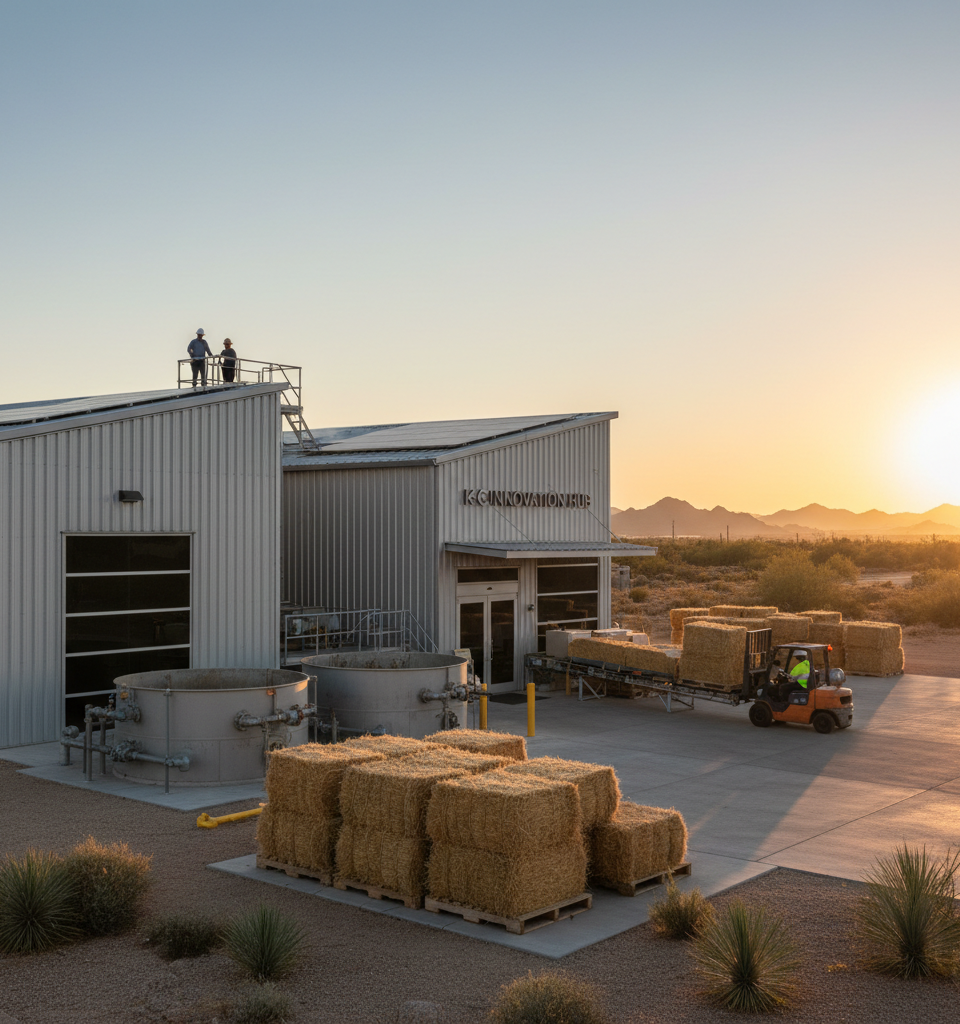
Kimberly-Clark, a prominent consumer packaged goods (CPG) manufacturer, is actively testing a new fiber solution aimed at bolstering its sourcing resilience and sustainability profile. The company is establishing a pilot facility in Yuma, Arizona, specifically designed to advance these efforts. This strategic move is intended to address and reduce the volatility associated with the costs of natural forest fiber, a primary input for many of its products.
Strategic Rationale and Objectives
The initiative represents a significant step for Kimberly-Clark in its broader sustainability agenda. By exploring alternative fiber sources, the company aims to diversify its raw material base, thereby lessening its reliance on traditional forestry products. This diversification is expected to yield multiple benefits, including enhanced supply chain stability and a reduced environmental footprint. The establishment of a dedicated pilot facility underscores the company's commitment to rigorous testing and development before potential large-scale implementation.
Pilot Facility in Yuma, Arizona
The choice of Yuma, Arizona, for the pilot facility suggests strategic considerations regarding resource availability or logistical advantages for the new fiber's development. The facility will serve as a hub for innovation, allowing Kimberly-Clark's research and development teams to refine the new fiber technology. The focus will be on optimizing its performance, ensuring it meets the stringent quality and functional requirements for consumer goods, and validating its economic viability as a long-term sourcing alternative.
Addressing Cost Volatility
One of the primary drivers behind this endeavor is the desire to mitigate the financial impact of natural forest fiber cost volatility. Global commodity markets, including those for wood pulp, often experience significant price swings due to factors such as weather events, geopolitical tensions, and shifting demand. By developing and integrating alternative fibers, Kimberly-Clark seeks to create a more predictable cost structure for its raw materials, which could translate into greater financial stability and potentially more consistent pricing for consumers.
Broader Industry Implications
Kimberly-Clark's push into novel fiber technologies could set a precedent within the CPG industry. As environmental concerns and supply chain risks continue to mount, other manufacturers may look to similar strategies to secure their raw material supplies and enhance their sustainability credentials. This development highlights a broader trend towards circular economy principles and resource efficiency in manufacturing, particularly in sectors heavily reliant on natural resources.
Future Outlook
The success of the Yuma pilot facility will be crucial in determining the scalability and ultimate impact of this new fiber. If proven effective, the technology could be integrated into Kimberly-Clark's broader manufacturing operations, potentially transforming its sourcing practices across its global portfolio. The initiative aligns with a forward-looking vision where sustainability and economic resilience are deeply intertwined, positioning the company for long-term growth in an evolving global market.