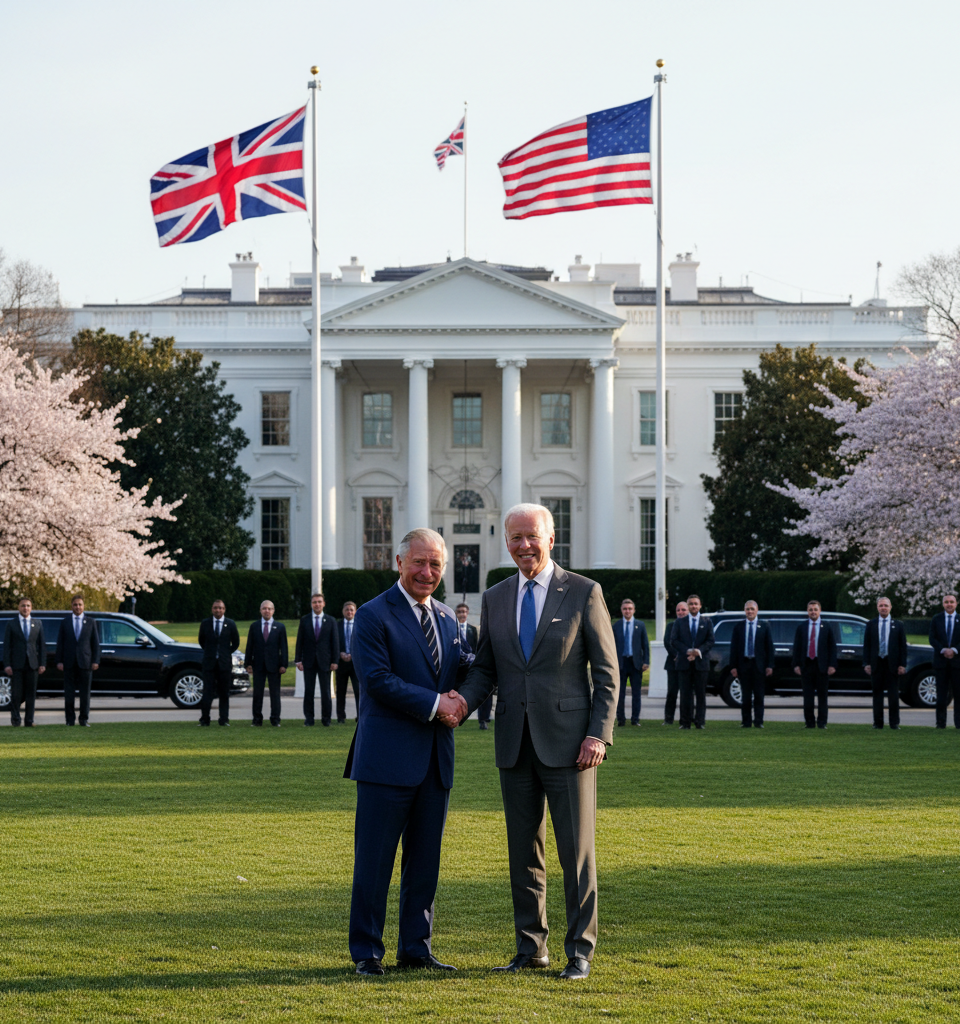
King Charles III is preparing for a landmark state visit to the United States, a crucial diplomatic engagement aimed at bolstering the strained 'special relationship' between London and Washington. While the visit is poised to address a spectrum of geopolitical and economic challenges, it is notably characterized by the monarch's planned avoidance of direct meetings with survivors of the late financier Jeffrey Epstein's global sexual abuse network. This decision, emerging amidst public scrutiny and continued legal proceedings related to Epstein, casts a complex shadow over an itinerary designed to project unity and renewed bilateral cooperation.
Contextualizing a Delicate Alliance
The timing of this royal visit is highly strategic, occurring at a juncture where the US-UK relationship has faced a series of diplomatic and economic headwinds. Post-Brexit, trade negotiations have stalled, and divergences on significant international issues, from climate policy implementation to approaches in critical regions like the Indo-Pacific, have become more apparent. The UK government, led by Prime Minister Rishi Sunak, views this visit as an invaluable opportunity to re-energize dialogue, secure potential investment, and reaffirm shared values in a volatile global landscape. Historically, state visits by British monarchs have served as powerful symbols of enduring alliance, often transcending the immediate political cycles to reinforce long-term strategic partnerships.
Key Diplomatic Angles and Omissions
The itinerary, while not yet fully released, is expected to include high-level meetings with President Joe Biden, discussions with congressional leaders, and engagements with prominent business and cultural figures in major US cities. The primary objectives are understood to be focused on climate change initiatives, global security cooperation – particularly concerning the ongoing conflict in Ukraine – and fostering new trade and investment avenues. However, the King's decision not to meet with Epstein survivors, a group that includes Virginia Giuffre, whose allegations against Prince Andrew have been widely publicized, represents a deliberate strategic choice. While Buckingham Palace has not officially commented on the specifics of the King’s engagements regarding this issue, sources close to the planning suggest a desire to compartmentalize the visit's political and ceremonial objectives from the ongoing legal and ethical reverberations of the Epstein scandal, which continues to impact the Royal Family's public image.
Broader Geopolitical and Economic Impact
Beyond the immediate optics, the success of this state visit could have tangible geopolitical and economic ramifications. A renewed sense of Anglo-American solidarity could strengthen the Western alliance against Russian aggression, enhance technological cooperation, and potentially unlock stalled trade talks. Analysts suggest that even a fractional improvement in bilateral trade relations could translate into hundreds of millions of dollars in economic benefit for both nations over the next five years. Furthermore, the visit's emphasis on climate initiatives aligns with both governments' stated environmental agendas, potentially paving the way for joint ventures in renewable energy and green technologies, a market projected to reach trillions globally within the decade.
Expert Insights on Royal Diplomacy
Dr. Eleanor Vance, a professor of international relations at a prominent London university, remarked, "The King's state visit is more than just pomp and circumstance; it's a critical instrument of 'soft power' diplomacy. While the absence of a meeting with Epstein survivors might be interpreted negatively by some, from a political strategy perspective, it allows the visit to focus squarely on pressing bilateral issues without being overshadowed by a contentious and historically damaging personal scandal." She further added, "The real measure of success won't be immediate headlines, but rather the tangible agreements and renewed cooperative spirit that emerge in the months following his return."
Looking Ahead: Post-Visit Trajectories
The immediate aftermath of the visit will be closely watched for any joint declarations, memorandums of understanding, or public statements that signal a definitive shift in US-UK relations. Beyond the formal diplomatic outcomes, the visit will also be a litmus test for the enduring relevance and efficacy of royal diplomacy in a rapidly changing world. Future implications include potential follow-up meetings at ministerial levels, renewed momentum in US-UK Free Trade Agreement discussions, and enhanced intelligence sharing. However, the shadow of the Epstein controversy, and the broader questions it raises about accountability and transparency, may persist, requiring continuous efforts to manage public perception and reaffirm ethical commitments – a long-term challenge for the monarchy irrespective of this particular diplomatic endeavor.