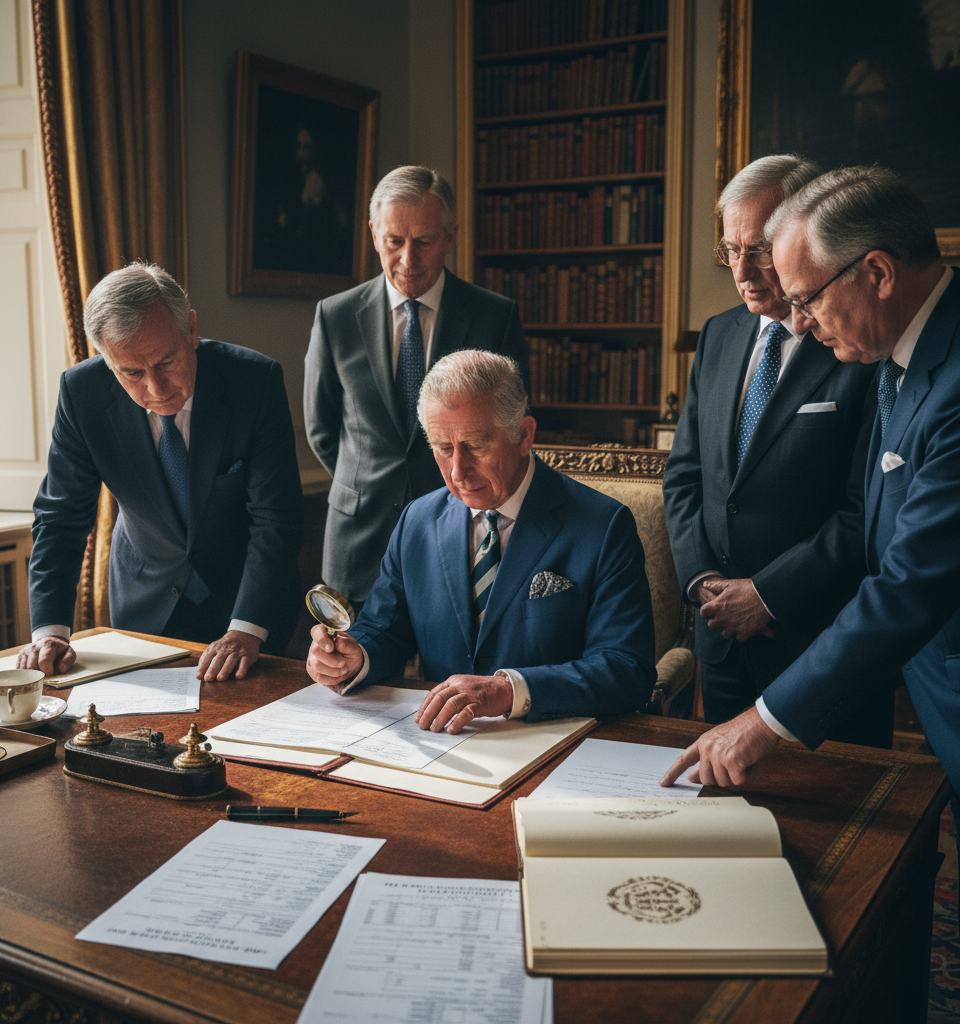
For the first time since ascending the throne, King Charles III is expected to publicly disclose the precise amount of personal income tax he pays, a detail that will be included in the Royal Family's annual financial report. This forthcoming release, anticipated to provide an unparalleled look into the monarch's private financial obligations, signifies a notable step towards enhanced transparency regarding royal finances.
A New Era of Royal Financial Transparency
This decision marks a considerable departure from historical practice, where the personal tax affairs of the reigning monarch have traditionally remained private. The Royal Family's finances, while subject to public scrutiny in various forms, have largely kept the specifics of the monarch's individual tax contributions out of direct public view. The move by King Charles III is widely interpreted as an effort to align the monarchy with contemporary expectations of openness and accountability, especially in an era where public figures face increasing demands for financial transparency.
Historically, the monarch's income has been a complex subject. The Sovereign Grant, funded by taxpayers, covers official expenses and maintenance of royal palaces, but the monarch also possesses private income from sources such as the Duchy of Lancaster estate. While previous monarchs, including Queen Elizabeth II, voluntarily paid income tax on their private income starting in 1993, the exact figures were never publicly itemized. This upcoming report will break new ground by detailing the specific sum contributed by the King personally.
Context and Public Scrutiny
The decision arrives amidst a broader climate of increased public and media interest in royal expenditures and financial practices. Critics have often called for greater clarity on how royal finances are managed, particularly given the public funding received through the Sovereign Grant. By voluntarily disclosing his personal tax bill, King Charles III appears to be proactively addressing potential criticisms and fostering a more open relationship with the public regarding the monarchy's financial dealings. This initiative follows a period where various royal households have faced scrutiny over their administrative costs and the societal value derived from public investment in the monarchy.
Implications for the Monarchy
The transparency initiative could have several long-term implications for the institution. It may serve to bolster public trust and confidence in the monarchy by demonstrating a commitment to accountability. Furthermore, it could set a new precedent for future monarchs, establishing an expectation of similar disclosures. The move might also encourage other public figures or institutions to adopt higher standards of financial transparency. For the Royal Family, particularly under King Charles III's reign, this appears to be a strategic decision aimed at modernizing the monarchy's image and relevance in the 21st century.
What to Expect in the Report
While the exact figures remain under wraps until the report's official release, the inclusion of personal tax payments will undoubtedly be a focal point. Analysts will be keen to examine not only the amount paid but also any contextual information provided regarding the King's taxable income sources. This level of detail has the potential to offer unprecedented insights into the private financial architecture supporting the British monarchy. The annual report typically covers a range of financial information, from official engagements and property maintenance to staff costs, and the addition of the monarch's personal tax figures will add a new dimension to this comprehensive financial overview.
The public and media eagerly await the release of this report, which is poised to redefine aspects of the financial conversation surrounding the British monarchy and underscore King Charles III's commitment to a more open approach.