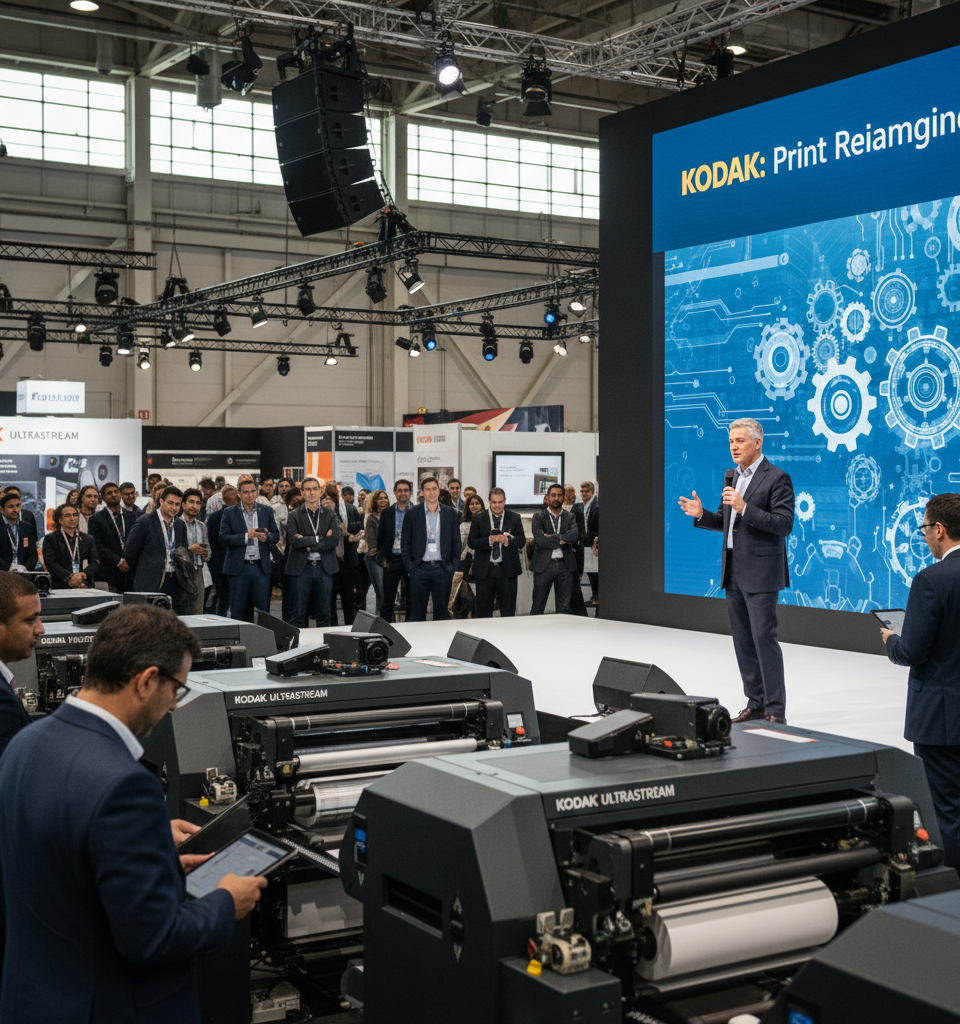
Rochester, NY – Eastman Kodak Company, a venerable name synonymous with photography for over a century, is aggressively pursuing a strategic overhaul designed to steer it away from the precipice of bankruptcy and back toward sustainable profitability. Under the resolute leadership of Chairman and CEO Jim Continenza, the company, often cited as a cautionary tale of digital disruption, is refocusing its efforts on industrial printing, advanced materials, and brand licensing, signaling a determined pivot from its beleaguered consumer imaging past. This ambitious turnaround, ongoing for several years, seeks to repurpose Kodak's foundational intellectual property and manufacturing prowess for the demands of the 21st-century industrial market.
Kodak's journey from photographic pioneer to Chapter 11 bankruptcy in 2012 is a stark reminder of the perils of failing to adapt to technological shifts. For decades, "Kodak Moment" was a cultural touchstone, yet the company famously invented the first digital camera in 1975 but hesitated to fully embrace the technology, fearing it would cannibalize its highly profitable film business. This strategic misstep allowed competitors to capture market share, culminating in a precipitous decline in revenue and eventually, financial reorganization. The current efforts under Continenza, who took the helm in 2019, represent a critical juncture in the company's 130-year history, aiming to secure a lasting legacy beyond its historical consumer appeal.
The cornerstone of Kodak's revitalization strategy lies in its burgeoning industrial portfolio. The company is significantly investing in its print division, particularly the Prosper line of inkjet presses, which offer high-speed, high-quality solutions for commercial printing, packaging, and direct mail. Furthermore, Kodak is leveraging its expertise in advanced materials science, applying its innovations in coatings and light-sensitive materials to diverse sectors beyond traditional photography. This includes projects in touch screen sensors, battery components, and even pharmaceutical manufacturing, demonstrating a remarkable versatility in repurposing legacy knowledge. Financially, early signs of this pivot have been cautiously optimistic, with recent quarterly reports indicating revenue stabilization and, in some segments, modest growth, though specific overall profitability figures for the new strategy are still in development.
The broader impact of Kodak's strategic shift resonates throughout the industrial imaging and materials sectors. A rejuvenated Kodak could intensify competition in digital printing, pushing innovation forward and potentially leading to more cost-effective solutions for businesses. Moreover, its entry into advanced materials highlights a broader trend of legacy manufacturing companies seeking to diversify their offerings by leveraging their core competencies in emerging technologies. This also sends a strong signal to other established firms that adaptation and strategic reorientation are paramount for survival in an increasingly dynamic global economy, underscoring the importance of innovative research and development.
Industry analysts have evinced cautious optimism regarding Kodak's long-term prospects. "Kodak's move into industrial applications, particularly its inkjet technology, makes strategic sense given its inherent strengths in imaging science and chemical engineering," notes Sarah Chen, a senior analyst at TechInvest Insights. "The challenge will be scaling these new ventures sufficiently to offset the decline in its legacy film and print businesses and competing effectively against established players. However, their brand licensing arm is also generating significant, high-margin revenue, providing a stable foundation." Experts particularly highlight the importance of disciplined capital allocation and a relentless focus on niche markets where Kodak can truly differentiate itself through technological superiority.
Looking ahead, Kodak's future trajectory will largely depend on its ability to execute its industrial growth strategy while wisely managing its remaining legacy assets. The company continues to invest in research and development, particularly in sustainable printing solutions and high-performance materials. Further expansion into brand licensing, an area generating significant royalties and requiring minimal capital expenditure, is also anticipated. The coming years will be crucial in determining whether Jim Continenza's strategic vision can fully transform Eastman Kodak from a relic of the past into a resilient, forward-thinking industrial powerhouse, permanently shedding the shadow of its near-fatal decline and establishing a new model for corporate reinvention in the digital age.